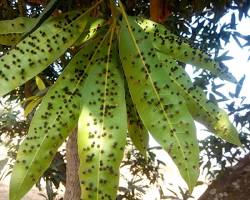
Gall Midges are tiny delicate flies belonging to the family Cecidomyiidae. Also known as gall gnats or gall flies, these insects are famous for their ability to manipulate plant tissues and trigger the formation of abnormal plant growths called galls. These structures provide food, shelter, and protection for the developing larvae. Gall midges are among the most diverse insect groups in the world, with more than 6,600 described species and potentially hundreds of thousands still undiscovered. :contentReference[oaicite:1]{index=1}
Most gall midges are plant-feeding species that attack leaves, stems, buds, flowers, fruits, and roots. Some species are major agricultural pests capable of causing severe economic damage to crops such as wheat, rice, sorghum, brassicas, fruit trees, and ornamental plants. Other gall midges are actually beneficial predators that feed on aphids, mites, and other soft-bodied pests. :contentReference[oaicite:2]{index=2}
Gall midges are difficult to detect because their larvae feed concealed inside plant tissue. Their feeding activity often causes swelling, curling, blistering, or distortion that interferes with normal plant growth and productivity. :contentReference[oaicite:3]{index=3}
Quick Facts
- Family: Cecidomyiidae
- Order: Diptera
- Common Names: Gall midges, gall gnats, gall flies
- Habitat: Forests, gardens, farms, wetlands
- Diet: Plant tissue, fungi, aphids, mites
- Status: Agricultural pest or beneficial predator depending on species
- Main Damage: Gall formation and plant deformation
- Size: Usually 1–3 mm long
Taxonomy and Classification
Gall Midges belong to the order Diptera, the true flies, and the family Cecidomyiidae. This family contains thousands of species distributed worldwide and is considered one of the largest fly families on Earth. :contentReference[oaicite:4]{index=4}
Gall midges are divided into several ecological groups:
- Gall-forming species that manipulate plant tissue
- Fungivorous species that feed on fungi
- Predatory species that consume aphids and mites
- Parasitic species associated with other insects
Approximately 75% of Cecidomyiidae species are herbivorous gall-formers associated with specific host plants. :contentReference[oaicite:5]{index=5}
Gall midges undergo complete metamorphosis consisting of:
- Egg
- Larva
- Pupa
- Adult
Some species exhibit an unusual phenomenon called paedogenesis, where larvae reproduce before reaching adulthood. :contentReference[oaicite:6]{index=6}
Physical Description
Adult Gall Midges are extremely small, fragile flies usually measuring between 1 and 3 millimeters long. Many species are less than 1 millimeter in length. :contentReference[oaicite:7]{index=7}
Adult Appearance
Adults resemble tiny mosquitoes and possess:
- Long slender legs
- Very long antennae
- Hairy or fuzzy wings
- Soft delicate bodies
- Reduced mouthparts
The hairy wings are unusual among flies and help distinguish gall midges from similar insects. :contentReference[oaicite:8]{index=8}
Larvae
The larvae are:
- Maggot-like
- Legless
- Orange, yellow, white, or pink
- Soft-bodied
Most larvae develop concealed within plant tissues, making infestations difficult to observe directly. :contentReference[oaicite:9]{index=9}
Gall Formation
The most obvious sign of infestation is the formation of galls or plant deformities.
Galls may appear as:
- Leaf rolls
- Blisters
- Stem swellings
- Bud rosettes
- Pouches
- Fruit deformities
- Vein swellings
Each species typically creates a unique gall shape associated with a particular host plant. :contentReference[oaicite:10]{index=10}
Distribution and Habitat
Gall Midges occur worldwide and inhabit nearly every terrestrial ecosystem containing suitable host plants. :contentReference[oaicite:11]{index=11}
Common habitats include:
- Agricultural fields
- Forests
- Wetlands
- Gardens
- Orchards
- Greenhouses
- Prairies
Different species specialize on different host plants. Many are highly host-specific and can only survive on one or a few related plant species. :contentReference[oaicite:12]{index=12}
Major agricultural pest species occur in crops such as:
- Wheat
- Rice
- Sorghum
- Lentils
- Brassicas
- Coffee
- Fruit trees
Examples include the Hessian fly, wheat blossom midge, and Asian rice gall midge. :contentReference[oaicite:13]{index=13}
Behavior and Damage
Gall Midges damage plants primarily through larval feeding inside plant tissues.
Gall Formation Process
Females deposit eggs within plant tissue or on developing plant surfaces. After hatching, larvae release chemicals that alter normal plant growth and stimulate gall formation. :contentReference[oaicite:14]{index=14}
The gall serves several functions:
- Protection from predators
- Protection from weather
- Continuous food supply
- Moist stable environment
Plant Damage
Gall formation may interfere with:
- Photosynthesis
- Water transport
- Nutrient movement
- Flower development
- Fruit production
Severe infestations may cause:
- Reduced crop yield
- Stunted growth
- Leaf curling
- Premature leaf drop
- Stem deformities
- Fruit damage
Economic losses can be substantial in commercial agriculture. :contentReference[oaicite:15]{index=15}
Beneficial Gall Midges
Not all Gall Midges are harmful. Some species are important biological control agents.
Predatory gall midges such as Aphidoletes aphidimyza feed on:
- Aphids
- Spider mites
- Whiteflies
- Thrips
These beneficial species are widely used in greenhouse biological control programs. :contentReference[oaicite:16]{index=16}
Life Cycle
Gall Midges generally complete multiple generations annually depending on climate and host availability.
Egg Stage
Females lay eggs on or inside host plant tissue, often targeting young actively growing plant parts.
Larval Stage
The larval stage is responsible for nearly all plant damage and gall formation.
Larvae feed protected inside the gall until development is complete. :contentReference[oaicite:17]{index=17}
Pupal Stage
Pupation may occur:
- Inside the gall
- Within soil
- Inside plant debris
depending on species.
Adult Stage
Adults are short-lived and mainly focused on mating and egg-laying.
Management and Prevention
Management depends on the species involved and the severity of infestation.
Monitoring
Regular plant inspection is essential for early detection.
Look for:
- Abnormal plant swellings
- Leaf curling
- Stem galls
- Bud distortions
- Stunted growth
Cultural Control
Effective practices include:
- Removing infested plant tissue
- Crop rotation
- Destroying plant debris
- Using resistant plant varieties
- Improving plant health
Biological Control
Natural enemies include:
- Parasitic wasps
- Predatory beetles
- Predatory gall midges
- Fungal pathogens
Parasitoid wasps are particularly important natural regulators of gall midge populations. :contentReference[oaicite:18]{index=18}
Chemical Control
Chemical control is often difficult because larvae are protected inside plant tissue. Treatments are usually most effective against adults before egg-laying begins.
Interesting Facts About Gall Midges
- Gall midges may represent one of the largest insect families on Earth.
- Some species reproduce during the larval stage.
- Each gall-forming species often creates a unique gall shape.
- Many species are highly host-specific.
- Some gall midges are beneficial aphid predators.
Taxonomy
- Kingdom: Animalia
- Phylum: Arthropoda
- Class: Insecta
- Order: Diptera
- Family: Cecidomyiidae