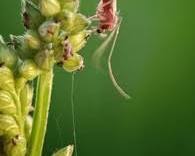
Overview
Gall gnats are small, delicate insects closely related to gall midges and are often grouped within the same family, Cecidomyiidae. These insects are known for their ability to induce abnormal plant growths, commonly referred to as galls, which serve as protective habitats and food sources for their developing larvae. Although the term “gall gnat” is sometimes used interchangeably with gall midges, it generally refers to species that produce smaller or less conspicuous galls.
These insects are rarely noticed directly due to their tiny size and short lifespan as adults. Instead, their presence is usually detected through visible plant deformities such as leaf curling, swelling, or blister-like growths. Gall gnats play an interesting ecological role, as some species are herbivorous pests while others act as predators of plant-feeding insects, helping to regulate pest populations naturally.
In garden and agricultural settings, gall gnats can become problematic when infestations lead to reduced plant growth or aesthetic damage. Their ability to manipulate plant tissue makes them particularly difficult to control, as larvae remain protected within galls for most of their development.
Identification
- Extremely small, fly-like insects
- Delicate bodies with long legs and antennae
- Larvae are tiny, legless, and found inside plant tissue
- Presence indicated by small galls or leaf distortions
Habitat
Gall gnats are found in a wide range of environments including forests, gardens, agricultural fields, and ornamental landscapes. They are most commonly associated with plants that are actively growing, as these provide suitable tissue for gall formation.
Behavior and Damage
Female gall gnats lay eggs within plant tissues, often targeting young leaves, stems, or buds. After hatching, larvae feed internally, causing the plant to produce a gall. These galls can interfere with normal plant growth and may reduce the plant’s ability to photosynthesize effectively.
Damage is typically minor in small infestations, but larger populations can lead to noticeable plant stress, reduced vigor, and aesthetic issues in ornamental plants.
Impact
While many gall gnat species cause only cosmetic damage, heavy infestations can weaken plants and reduce yields in agricultural settings. Their impact is most significant on young plants or crops with high economic value.
Prevention and Control
Maintaining plant health and removing heavily infested plant material can help reduce populations. Natural predators and environmental factors often keep gall gnats in balance, making chemical control unnecessary in most cases.
Taxonomy
- Kingdom: Animalia
- Phylum: Arthropoda
- Class: Insecta
- Order: Diptera
- Family: Cecidomyiidae