Overview
The Fir Coneworm is a larval-stage moth pest that targets the cones of fir trees. These insects are particularly important in forestry and seed production, where they can significantly reduce viable seed output.
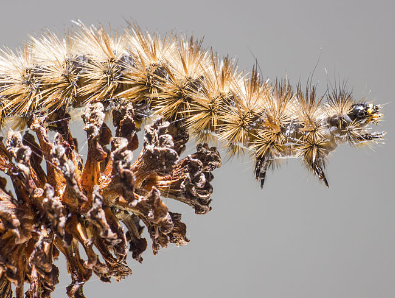
Identification
- Small caterpillars with pale or brown bodies
- Dark head capsule
- Frass near cone openings
- Small, inconspicuous adult moths
Habitat
Fir coneworms inhabit coniferous forests and plantations. Larvae develop inside cones, making detection difficult until damage is visible.
Behavior and Diet
Larvae feed internally on cone tissue and seeds, reducing seed viability and impacting forest regeneration.
Impact
While mature trees are not typically harmed, seed production losses can affect reforestation efforts and commercial operations.
Prevention and Control
- Monitor cone production cycles
- Remove infested cones when possible
- Encourage natural predators