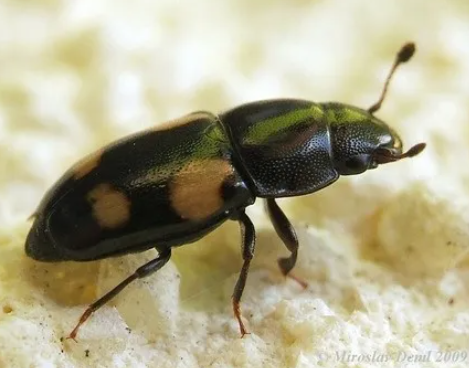
Xanthosia Sap Beetles
Xanthosia Sap Beetles are small beetles belonging to the family Nitidulidae, commonly known as sap beetles. These insects are attracted to fermenting plant material, damaged fruit, tree sap flows, and decaying organic matter. While they play an important ecological role as decomposers, they can become significant pests in orchards, vineyards, gardens, and commercial crop production systems.
Unlike many primary insect pests, Xanthosia Sap Beetles rarely attack healthy fruit directly. Instead, they exploit wounds created by birds, hail, machinery, disease, or other insects. Once present, they contaminate produce, accelerate spoilage, and transport fungal and bacterial pathogens that further reduce crop quality. :contentReference[oaicite:0]{index=0}
Because of their ability to locate fermenting material quickly and reproduce rapidly, these beetles are often considered important secondary pests in fruit and vegetable production.
Taxonomy and Classification
- Kingdom: Animalia
- Phylum: Arthropoda
- Class: Insecta
- Order: Coleoptera
- Family: Nitidulidae
- Common Name: Sap Beetles
- Representative Genus: Xanthosia
The Nitidulidae family contains hundreds of species worldwide. Many are associated with fermenting plant material, tree sap, flowers, and agricultural crops. Xanthosia Sap Beetles represent a group of species that can become problematic when populations develop around damaged fruit and crop plants. :contentReference[oaicite:1]{index=1}
Identification
Xanthosia Sap Beetles are small but distinctive insects.
- Size: Typically 2 mm to 6 mm long.
- Body Shape: Oval and somewhat flattened.
- Color: Dark brown to black, often with yellow, orange, or patterned markings.
- Antennae: Clubbed or knobbed antennae.
- Wing Covers: Shortened elytra that leave portions of the abdomen exposed.
Larvae appear as small, creamy-white grubs with light brown head capsules. They are commonly found feeding inside fermenting fruit, decaying vegetation, or damaged corn ears. :contentReference[oaicite:2]{index=2}
Distribution and Habitat
Xanthosia Sap Beetles occur throughout many regions where fruit, vegetables, and fermenting plant materials are available.
Common habitats include:
- Apple orchards
- Peach orchards
- Vineyards
- Corn fields
- Berry farms
- Home gardens
- Tree wounds and sap flows
- Compost piles
- Rotting fruit accumulations
Adults are particularly attracted to areas where fermentation is occurring, often locating food sources through chemical signals released by yeast activity and plant decay. :contentReference[oaicite:3]{index=3}
Life Cycle
Xanthosia Sap Beetles undergo complete metamorphosis.
- Egg Stage: Females deposit eggs on fermenting fruit, damaged vegetables, or decomposing plant material.
- Larval Stage: Larvae feed actively within decaying tissues and fermenting substrates.
- Pupal Stage: Pupation typically occurs in nearby soil or organic debris.
- Adult Stage: Adults emerge and seek new food and breeding sites.
Several generations may occur each year depending on climate, food availability, and environmental conditions. Warm temperatures can dramatically accelerate population growth. :contentReference[oaicite:4]{index=4}
Host Crops and Food Sources
Xanthosia Sap Beetles feed on a wide range of agricultural products and organic materials.
- Apples
- Peaches
- Grapes
- Strawberries
- Raspberries
- Melons
- Corn
- Tomatoes
- Overripe fruit
- Fermenting sap
- Plant wounds
Although they prefer damaged or fermenting material, heavy infestations may spread into adjacent healthy fruit once populations become established.
Damage and Economic Importance
The primary damage caused by Xanthosia Sap Beetles involves contamination, spoilage, and pathogen transmission rather than direct feeding injury.
Fruit Contamination
- Surface feeding damage.
- Introduction of microorganisms.
- Accelerated decay.
- Reduced shelf life.
Pathogen Transmission
One of the most significant concerns is their role as vectors of disease-causing organisms.
- Aspergillus fungi.
- Penicillium fungi.
- Yeasts.
- Rot-producing microorganisms.
As beetles move between rotting material and healthy produce, they transport spores and pathogens that increase disease incidence. :contentReference[oaicite:5]{index=5}
Corn Damage
Sap beetles frequently invade corn ears through openings created by:
- Corn Earworms
- Bird feeding
- Mechanical injury
- Weather damage
Their feeding promotes kernel fermentation and can increase the risk of mycotoxin contamination.
Commercial Losses
- Reduced fruit quality.
- Lower market value.
- Post-harvest decay.
- Rejected shipments.
- Storage losses.
Even relatively small infestations can cause substantial economic losses in high-value fruit crops. :contentReference[oaicite:6]{index=6}
Behavior and Conflict
Xanthosia Sap Beetles are highly specialized scavengers and opportunistic feeders.
- Fermentation Detection: Adults locate fermenting fruit using volatile chemical cues.
- Secondary Pest Status: They often exploit damage caused by other organisms.
- Overwintering: Adults survive winter in bark crevices, debris, and protected sites.
- Rapid Colonization: Damaged crops can become infested within hours.
Because they are attracted to fermentation odors, their presence often signals underlying problems involving crop damage, disease, or sanitation issues. :contentReference[oaicite:7]{index=7}
Signs of Infestation
- Small beetles clustered on fruit.
- Fermenting odors around produce.
- Premature fruit rot.
- Damaged kernels in corn ears.
- Visible larvae inside fruit.
- Increased fungal growth.
- Adult beetles near sap flows.
Management and Prevention
Successful management focuses on eliminating breeding sites and reducing attractants.
Sanitation
Sanitation is the most effective long-term control method.
- Remove fallen fruit promptly.
- Destroy rotting produce.
- Eliminate crop debris.
- Clean processing areas regularly.
Removing fermenting material reduces the odors that attract adult beetles. :contentReference[oaicite:8]{index=8}
Harvest Management
- Harvest fruit promptly.
- Avoid leaving ripe fruit on plants.
- Reduce overripe produce accumulation.
Monitoring
- Inspect damaged fruit regularly.
- Monitor corn ears.
- Check for beetle activity around wounds.
- Use baited monitoring traps.
Trapping
- Fermenting dough traps.
- Molasses-baited traps.
- Commercial attractant traps.
These traps can help monitor populations and reduce adult numbers. :contentReference[oaicite:9]{index=9}
Chemical Control
Chemical treatments may be used when necessary, although control can be challenging because beetles often hide within fruit or plant tissues.
- Target adult populations.
- Follow label directions carefully.
- Integrate with sanitation programs.
Conservation and Research
Current research focuses on understanding beetle attraction to fermentation compounds, improving trap technologies, and reducing pathogen transmission in commercial agriculture. Scientists are also studying how sap beetles interact with fungal diseases and post-harvest spoilage organisms.
Although Xanthosia Sap Beetles contribute positively to natural decomposition processes, they can become important agricultural pests when populations develop around valuable crops. Consistent sanitation, timely harvest practices, and regular monitoring remain the most effective strategies for preventing economic losses. :contentReference[oaicite:10]{index=10}