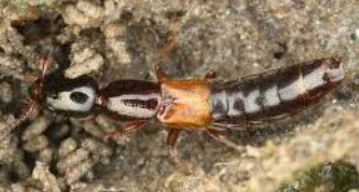
Xantholinus Soil Beetles
Xantholinus Soil Beetles are beneficial predatory insects belonging to the rove beetle family, Staphylinidae. These fast-moving beetles are commonly found in soil, mulch, compost, leaf litter, and other organic environments where they actively hunt small invertebrates. Unlike plant-feeding insects, Xantholinus beetles provide valuable ecological services by helping regulate populations of soil-dwelling pests.
These beetles are widely distributed throughout temperate regions and are frequently encountered in agricultural fields, gardens, forests, grasslands, and landscaped areas. Their presence is generally considered a positive indicator of healthy soil biology and a balanced ecosystem.
Because both adults and larvae are predators, Xantholinus Soil Beetles contribute significantly to natural pest suppression. They consume a wide variety of harmful insects, reducing the need for chemical insecticides and supporting sustainable pest management practices.
Taxonomy and Classification
- Kingdom: Animalia
- Phylum: Arthropoda
- Class: Insecta
- Order: Coleoptera
- Family: Staphylinidae
- Genus: Xantholinus
Xantholinus beetles belong to one of the largest beetle families in the world. Rove beetles are recognized by their shortened wing covers and exposed abdominal segments, which provide exceptional flexibility and mobility.
Identification
Xantholinus Soil Beetles have a distinctive appearance that separates them from most other beetles.
- Size: Approximately 5 mm to 10 mm long.
- Body Shape: Long, narrow, and streamlined.
- Color: Dark brown, reddish-brown, or black.
- Wing Covers: Very short, exposing much of the abdomen.
- Movement: Fast-running and highly active.
Their elongated bodies allow them to move efficiently through soil pores, mulch, compost, and leaf litter while searching for prey.
Larvae
The larvae are equally predatory and resemble miniature versions of the adults.
- Elongated body.
- Light brown or cream coloration.
- Dark head capsule.
- Strong jaws for capturing prey.
- Highly mobile hunters.
Larvae spend most of their development beneath the soil surface where they actively search for food.
Distribution and Habitat
Xantholinus Soil Beetles occur throughout many temperate regions and are adaptable to a variety of environments.
Common habitats include:
- Garden beds
- Agricultural fields
- Mulched landscapes
- Compost piles
- Forest floors
- Grasslands
- Leaf litter
- Organic-rich soils
They prefer moist environments that contain abundant prey and sufficient organic matter.
Life Cycle
Xantholinus Soil Beetles undergo complete metamorphosis.
- Egg Stage: Eggs are deposited within soil or organic debris.
- Larval Stage: Predatory larvae hunt small soil-dwelling organisms.
- Pupal Stage: Pupation occurs within protected soil chambers.
- Adult Stage: Adults emerge and continue hunting throughout their lifespan.
Several generations may occur each year depending on climate and environmental conditions.
Behavior and Feeding Habits
Xantholinus Soil Beetles are generalist predators that consume a wide variety of small invertebrates.
Primary Prey
- Fungus gnat larvae
- Root maggots
- Springtails
- Mites
- Small fly larvae
- Insect eggs
- Soft-bodied insects
- Other soil-dwelling pests
Both adults and larvae actively patrol the soil environment searching for prey. Their powerful mandibles allow them to capture and consume organisms that would otherwise damage plants.
Nocturnal Activity
These beetles are primarily active at night.
- Hide under debris during daylight.
- Hunt after sunset.
- Seek prey in soil and litter layers.
- Avoid excessive heat and dryness.
This nocturnal behavior helps them avoid predators while maximizing feeding opportunities.
Economic Importance
Xantholinus Soil Beetles are considered highly beneficial insects.
Natural Pest Control
By feeding on harmful soil pests, these beetles help protect crops and ornamental plants.
- Reduced root damage.
- Lower pest populations.
- Improved plant health.
- Reduced insecticide dependence.
Their predatory activity is particularly valuable in gardens, greenhouses, nurseries, and agricultural fields.
Soil Health Benefits
Their presence often indicates a healthy soil ecosystem.
- Promote ecological balance.
- Support biodiversity.
- Enhance biological pest suppression.
- Contribute to sustainable agriculture.
Healthy populations of beneficial predators often reduce the likelihood of severe pest outbreaks.
Human Interactions
Xantholinus Soil Beetles are harmless to people, pets, and structures.
- Do not damage plants.
- Do not infest homes.
- Do not transmit diseases.
- Do not attack humans.
Although they may occasionally wander indoors, they are not considered nuisance pests and usually die quickly if trapped inside buildings.
Monitoring
Monitoring populations is relatively straightforward.
- Pitfall traps.
- Leaf litter inspections.
- Mulch examinations.
- Soil sampling.
- Compost inspections.
Large populations often indicate abundant prey and favorable environmental conditions.
Conservation and Protection
Conservation is the preferred management strategy for these beneficial beetles.
Maintain Organic Matter
- Retain mulch layers.
- Add compost.
- Preserve leaf litter.
- Avoid excessive cleanup.
Organic matter provides shelter, moisture, and habitat for both beetles and their prey.
Reduce Soil Disturbance
- Minimize deep tillage.
- Protect soil structure.
- Maintain ground cover.
- Preserve underground habitats.
Excessive cultivation can destroy larvae, pupae, and overwintering adults.
Avoid Broad-Spectrum Insecticides
Many insecticides kill beneficial predators alongside target pests.
- Use selective products when necessary.
- Target specific pest outbreaks.
- Reduce unnecessary applications.
- Preserve beneficial insect populations.
Protecting predator populations often improves long-term pest management outcomes.
Research and Biological Control
Researchers continue studying Xantholinus Soil Beetles because of their value in biological pest control. Current research focuses on predator-prey relationships, habitat requirements, soil biodiversity, and their role in integrated pest management systems.
Scientists are also evaluating how agricultural practices influence beetle populations and how conservation strategies can maximize their beneficial effects in crop production systems.
Conclusion
Xantholinus Soil Beetles are important predatory insects that contribute significantly to soil health and natural pest suppression. Their ability to hunt fungus gnats, root maggots, mites, and other soil-dwelling pests makes them valuable allies in sustainable agriculture and gardening. Encouraging their presence through habitat conservation and reduced pesticide use can enhance ecosystem balance while supporting healthier plants and soils.