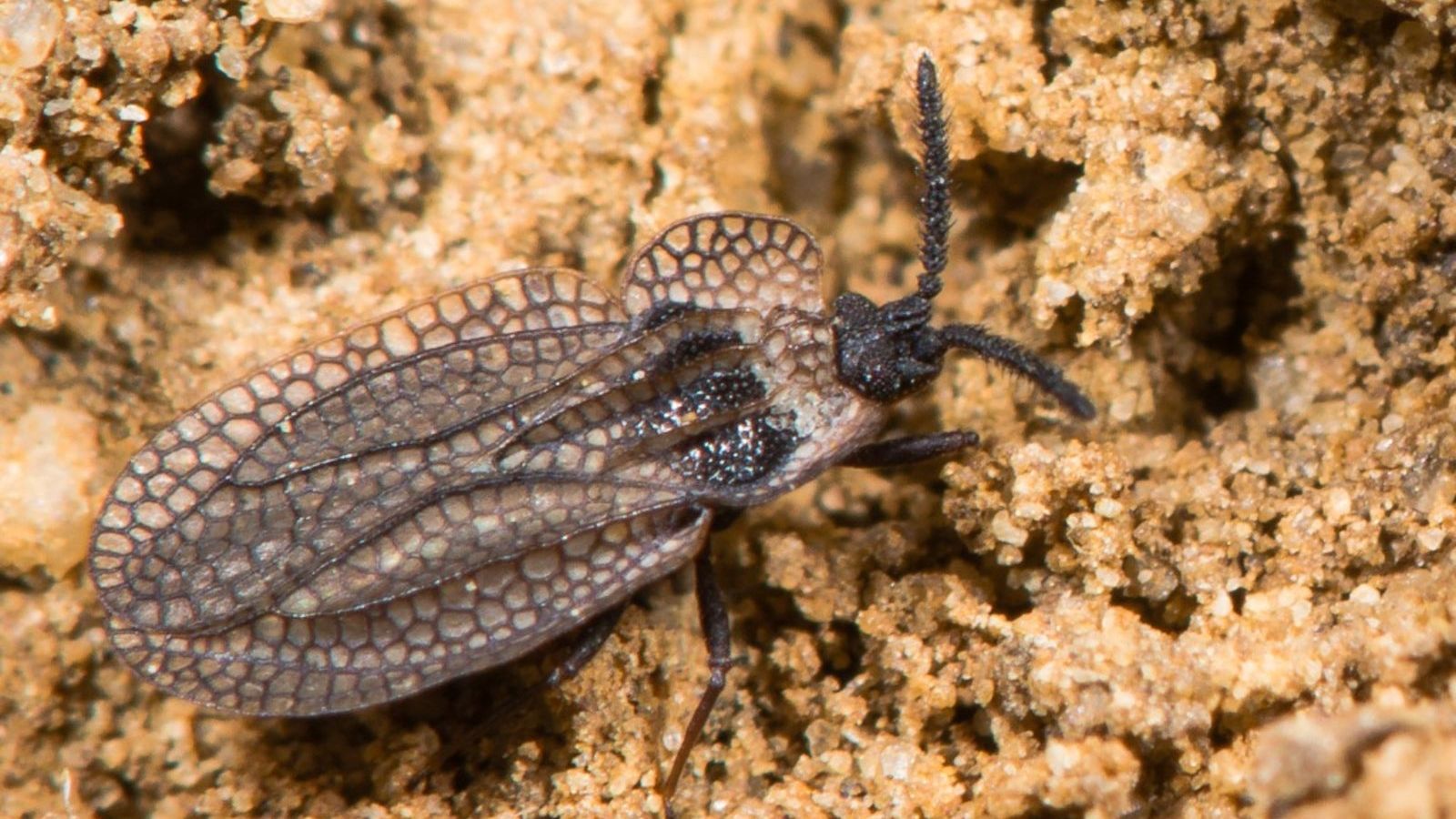
Willow lace bugs are small sap-feeding insects belonging to the family Tingidae that specialize in feeding on willow trees and shrubs. Species such as Corythucha mollicula are commonly associated with willows throughout North America. These insects are named for their delicate, lace-like wings and intricate body structures, which create a netted appearance unlike most other plant pests.
Despite their fragile appearance, willow lace bugs can cause significant damage to ornamental and landscape trees. Both adults and nymphs feed by piercing leaf tissues and extracting plant sap from the underside of leaves. This feeding destroys chlorophyll-containing cells and produces a characteristic stippled appearance on the upper leaf surface. Heavy infestations can cause widespread yellowing, premature leaf drop, reduced vigor, and considerable aesthetic damage.
Although lace bugs rarely kill healthy mature trees, repeated infestations can weaken willows and make them more vulnerable to drought stress, disease, and other insect pests.
Taxonomy and Classification
- Kingdom: Animalia
- Phylum: Arthropoda
- Class: Insecta
- Order: Hemiptera
- Family: Tingidae
- Genus: Corythucha
- Common Species: Corythucha mollicula
Lace bugs belong to a family of specialized sap-feeding insects known for their transparent, sculptured wings and flattened bodies. More than 2,000 lace bug species exist worldwide, many of which are associated with specific host plants.
Physical Description
Adult Lace Bugs
Adult willow lace bugs are extremely small but distinctive when viewed closely.
- Length: Approximately 3–4 millimeters.
- Color: Pale cream, white, or translucent.
- Body Shape: Flattened and rectangular.
- Wings: Transparent with lace-like patterns.
- Thorax: Features an enlarged hood-like structure covering the head.
The intricate network of ridges and transparent cells on the wings gives the insects their common name.
Nymphs
Immature lace bugs look very different from adults.
- Dark brown or black coloration.
- Flattened body.
- Numerous spines projecting from the body.
- Wingless appearance.
- Often clustered together on leaf undersides.
Nymphs typically remain grouped on leaves where they hatched.
Distribution and Habitat
Willow lace bugs occur throughout much of North America wherever willow species grow.
Common habitats include:
- Riparian corridors.
- Wetlands.
- Streamsides.
- Parks.
- Residential landscapes.
- Nurseries.
- Golf courses.
- Urban tree plantings.
They are most commonly found on ornamental and native willow species growing in moist environments.
Host Plants
Willow lace bugs primarily attack species within the genus Salix.
Common hosts include:
- Weeping willow.
- Black willow.
- Pussy willow.
- Crack willow.
- Arroyo willow.
- Various ornamental willow cultivars.
Some populations may also feed on closely related poplar species.
Life Cycle
Willow lace bugs undergo incomplete metamorphosis, meaning they do not have a pupal stage.
Egg Stage
Females deposit eggs on the underside of leaves.
- Inserted partially into leaf tissue.
- Often placed near leaf veins.
- Protected by dark excrement or coverings.
Nymph Stage
After hatching, nymphs begin feeding immediately.
- Pass through multiple developmental stages.
- Remain concentrated on leaf undersides.
- Feed continuously on plant sap.
- Gradually develop wing pads.
Adult Stage
Adults emerge and continue feeding, mating, and laying eggs.
Several generations may occur each year, particularly in warm climates and long growing seasons.
Damage and Economic Importance
Leaf Stippling
The most recognizable symptom of willow lace bug activity is stippling.
This appears as:
- Tiny white dots.
- Yellow speckles.
- Silvery discoloration.
- Bronzed foliage.
Each feeding puncture destroys a small group of chlorophyll-containing cells.
Photosynthesis Reduction
As feeding continues, damaged leaves lose their ability to efficiently produce energy.
- Reduced photosynthesis.
- Lower growth rates.
- Declining vigor.
- Stress during hot weather.
Premature Leaf Drop
Heavy infestations often result in:
- Early yellowing.
- Leaf browning.
- Premature defoliation.
- Thinned canopies.
Repeated annual infestations can significantly weaken ornamental willows.
Aesthetic Damage
In landscapes, lace bug injury is often more important cosmetically than biologically.
Infested trees may appear:
- Drought-stressed.
- Disease-infected.
- Scorched by heat.
- Poorly maintained.
Signs of Infestation
Several indicators help identify willow lace bug activity.
- White or yellow stippling on leaf surfaces.
- Black varnish-like fecal spots beneath leaves.
- Clusters of spiny nymphs.
- Tiny lace-like adults.
- Premature leaf yellowing.
- Leaf drop during summer.
The black excrement spots on leaf undersides are among the most reliable diagnostic signs.
Behavior and Ecology
Underside Feeders
Willow lace bugs spend nearly their entire lives on the underside of leaves.
This protected location helps them:
- Avoid predators.
- Reduce exposure to weather.
- Remain hidden from casual observation.
Colonial Feeding
Both adults and nymphs often feed in groups.
Large colonies can quickly develop on individual leaves and branches.
Warm Weather Preference
Hot, dry weather often favors lace bug population growth.
Stressed trees may experience heavier infestations than healthy trees.
Management and Control
Monitoring
Routine inspections are the best method for early detection.
- Inspect leaf undersides.
- Look for black fecal spots.
- Watch for stippling.
- Monitor vulnerable trees during summer.
Water Sprays
Strong streams of water can effectively reduce populations.
- Dislodge nymphs.
- Wash away adults.
- Reduce egg survival.
- Require repeated applications.
Sprays should target the underside of leaves where insects reside.
Biological Control
Many natural enemies feed on lace bugs.
- Green lacewings.
- Lady beetles.
- Minute pirate bugs.
- Predatory mites.
- Spiders.
- Parasitic wasps.
Maintaining diverse landscapes helps support these beneficial predators.
Insecticidal Soaps and Oils
These products can be highly effective when applied correctly.
- Require direct contact with insects.
- Work best on nymphs.
- Must thoroughly cover leaf undersides.
- Often require multiple applications.
Systemic Treatments
For severe infestations on valuable landscape trees, systemic insecticides may provide season-long protection.
Applications should be made according to label directions and with consideration for pollinator safety.
Prevention
- Maintain proper irrigation.
- Reduce drought stress.
- Avoid excessive pruning.
- Encourage beneficial insects.
- Inspect trees regularly.
- Address infestations early.
Healthy trees are generally more capable of tolerating lace bug feeding than stressed trees.
Interesting Facts
- Lace bugs get their name from their transparent, lace-like wings.
- Most feeding occurs on the underside of leaves.
- Their damage is often mistaken for nutrient deficiencies.
- Black fecal spots are often more noticeable than the insects themselves.
- Heavy infestations can make foliage appear silver or bronze from a distance.
Conclusion
Willow lace bugs are specialized sap-feeding insects that can significantly affect the appearance and health of willow trees during severe infestations. Their feeding causes stippling, discoloration, premature leaf drop, and reduced vigor, particularly on ornamental trees. Regular monitoring, proper tree care, biological control, and targeted treatments provide effective management while minimizing environmental impacts. Early detection remains the key to preventing significant damage and maintaining healthy, attractive willow plantings.