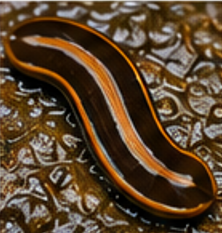
New Zealand flatworms are invasive predators that pose a serious threat to earthworm populations. By feeding on earthworms, they disrupt soil structure, fertility, and ecosystem balance.
These pests have spread to various regions outside their native range, raising concerns among farmers and gardeners.
The Earthworm Assassin: New Zealand Flatworms
The New Zealand Flatworm (Arthurdendyus triangulatus) is a highly invasive predatory terrestrial flatworm. While it has caused significant ecological alarm in the United Kingdom and Ireland, it is a high-priority “watch list” species for biosecurity agencies in the United States. Unlike common garden worms that improve soil, this predator specializes in hunting and consuming native earthworms, threatening the fundamental structure of soil ecosystems.
The “Dissolving” Predation Method
New Zealand Flatworms are apex predators of the undergrowth. Their feeding method is particularly gruesome and efficient. When a flatworm encounters an earthworm, it wraps its body around the prey and secretes a digestive enzyme that dissolves the earthworm’s exterior. The flatworm then uses its pharynx to suck up the resulting “earthworm soup.”
- Soil Degradation: By decimating earthworm populations, these flatworms indirectly cause soil compaction, poor drainage, and reduced nutrient cycling, as there are no earthworms left to aerate the ground.
- Extreme Resilience: They can survive for months without food by shrinking their own body mass. They are also hermaphrodites, meaning a single individual can potentially start a new colony.
- Egg Capsules: Their eggs are encased in dark, shiny capsules that look like small blackcurrants or large peppercorns, often hidden in the root balls of nursery plants.
Identification: The “Liver-Like” Worm
Adult flatworms can reach up to 15cm (6 inches) in length. They are flat, ribbon-like, and have a distinct texture often described as “wet liver.” They are dark purple-brown on the top with a pale, buff-colored underside and a thin orange-tan stripe running along the edges. When at rest, they typically coil themselves into a tight, flat spiral under rocks or wooden planks.
U.S. Biosecurity and Management
In the U.S., the primary concern is the accidental introduction of these pests through the international nursery trade. Because they thrive in cool, damp climates, the Pacific Northwest and Northeast are considered the most vulnerable regions. Management strategies include:
- Plant Quarantine: Inspecting the root balls of imported plants for adult worms or the tell-tale black egg capsules.
- Salt and Hot Water: If found, these flatworms should never be cut in half (as they can sometimes regenerate). Instead, they should be dropped into a container of salt or very hot water to ensure they are destroyed.
- Encouraging Natural Predators: While few things eat them due to their distasteful mucus, some species of ground beetles and rove beetles have been known to attack smaller individuals.
Identification
Flat, slimy worms with dark coloration and lighter edges.
Damage
Reduction in earthworm populations leads to poor soil health.
Control
Manual removal and preventing spread through soil movement are key.