Overview
Hop aphids (Phorodon humuli) are sap-feeding insects that primarily infest hop plants (Humulus lupulus), which are widely cultivated for brewing beer. These aphids are considered significant agricultural pests due to their ability to reduce plant vigor, contaminate harvests, and transmit plant diseases.
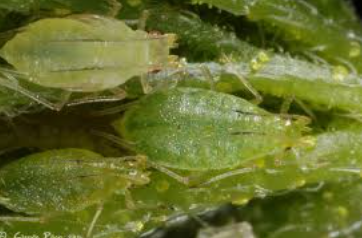
Hop aphids are closely related to hemp aphids and share similar biological characteristics. They reproduce rapidly and can form large colonies on leaves, stems, and cones. Their feeding removes nutrients from the plant and can interfere with normal growth and development.
In addition to direct feeding damage, hop aphids produce honeydew, which promotes the growth of sooty mold. This can contaminate hop cones and reduce their quality for brewing.
Identification
Hop aphids are small, soft-bodied insects, typically green or yellow. They have pear-shaped bodies and may have winged or wingless forms.
They are often found in clusters on the undersides of leaves or on developing cones.
Habitat
These aphids are found in hop fields and gardens where hop plants are grown. They thrive in warm, humid conditions.
Behavior and Life Cycle
Hop aphids reproduce rapidly through both sexual and asexual reproduction. Multiple generations can occur within a single growing season.
Winged forms may develop to disperse populations to new plants.
Damage and Impact
Feeding causes leaf yellowing, reduced growth, and contamination of hop cones. Heavy infestations can significantly reduce crop yield and quality.
The presence of honeydew and sooty mold further reduces the value of harvested hops.
Prevention and Control
Monitoring, introducing beneficial insects, and maintaining plant health are key strategies. Proper airflow and spacing can also reduce infestations.
Taxonomy
- Kingdom: Animalia
- Phylum: Arthropoda
- Class: Insecta
- Order: Hemiptera
- Family: Aphididae
- Species: Phorodon humuli