Overview
Honey locust spider mites are tiny arachnid pests that feed on the sap of honey locust trees. These mites belong to the family Tetranychidae and are closely related to other spider mite species that affect a wide range of plants. Despite their microscopic size, they can cause significant damage when populations are high.
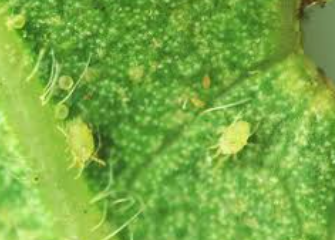
Spider mites are particularly problematic in hot, dry conditions, which favor rapid reproduction. Their feeding removes chlorophyll from plant cells, resulting in a characteristic stippled or speckled appearance on leaves. Over time, this damage can lead to leaf yellowing, premature drop, and reduced photosynthesis.
Honey locust trees are especially susceptible due to their fine leaf structure, which provides an ideal environment for mite colonies to develop and spread.
Identification
Spider mites are extremely small and usually require magnification to see clearly. They are often red, yellow, or green.
Fine webbing on leaves is a key sign of infestation, along with stippled or bronzed foliage.
Habitat
These mites are found on the undersides of leaves, where they feed and reproduce. They are common in urban landscapes, especially in areas with dry conditions.
Behavior and Life Cycle
Females lay eggs on leaf surfaces. Larvae hatch and begin feeding immediately.
The life cycle is rapid, with multiple generations occurring in a single season, especially in warm weather.
Damage and Impact
Feeding causes leaf discoloration, reduced vigor, and potential defoliation. Severe infestations can weaken trees and reduce their aesthetic value.
Prolonged infestations may make trees more susceptible to other pests and environmental stress.
Prevention and Control
Maintaining adequate moisture and reducing plant stress can help prevent infestations. Monitoring and encouraging natural predators are effective management strategies.
Taxonomy
- Kingdom: Animalia
- Phylum: Arthropoda
- Class: Arachnida
- Order: Trombidiformes
- Family: Tetranychidae