Overview
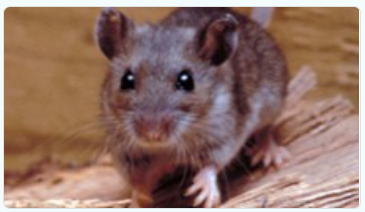
Hantavirus Rodents are species of rodents capable of carrying hantaviruses, a group of viruses that can cause severe disease in humans. These rodents are significant public health concerns because the viruses they carry may spread through contaminated droppings, urine, saliva, or nesting materials. In North America, the deer mouse (Peromyscus maniculatus) is the primary carrier associated with Hantavirus Pulmonary Syndrome (HPS), a rare but potentially life-threatening respiratory illness.
Hantaviruses naturally circulate among rodent populations without causing illness in the rodents themselves. Humans become infected primarily through inhalation of airborne virus particles released when contaminated droppings, urine, or nesting materials are disturbed. Activities such as sweeping rodent-infested cabins, cleaning sheds, or handling contaminated materials may increase exposure risk.
Although hantavirus infections are relatively uncommon, they are medically serious and require immediate medical attention. Public awareness and rodent prevention are essential for reducing exposure risk, particularly in rural and semi-rural environments where rodent infestations are more likely.
As the Centers for Disease Control and Prevention (CDC) explains, people can become infected through exposure to infected rodent urine, saliva, and droppings, especially in enclosed or poorly ventilated spaces.
Rodent management, sanitation, and safe cleanup procedures are critical for preventing hantavirus transmission.
Quick Facts
- Common Name: Hantavirus Rodents
- Main Carrier: Deer Mouse
- Associated Disease: Hantavirus Pulmonary Syndrome (HPS)
- Transmission: Airborne contaminated particles
- Habitat: Rural structures, forests, fields
- Main Risk: Exposure to rodent droppings and urine
- Threat Level: Serious public health concern
- Primary Prevention: Rodent exclusion and sanitation
Taxonomy and Classification
Hantavirus carriers belong primarily to the mammalian order Rodentia.
- Kingdom: Animalia
- Phylum: Chordata
- Class: Mammalia
- Order: Rodentia
Several rodent species are associated with hantaviruses depending on geographic region.
Common North American Carriers
- Deer Mouse (Peromyscus maniculatus)
- Cotton Rat (Sigmodon hispidus)
- Rice Rat (Oryzomys palustris)
- White-Footed Mouse (Peromyscus leucopus)
Different hantavirus strains are associated with different rodent hosts worldwide.
Identification
Identifying hantavirus rodents is important for assessing potential exposure risks.
Deer Mouse Identification
The deer mouse is the most significant hantavirus carrier in North America.
- Small body size
- Brown or gray fur
- White underbelly
- Large dark eyes
- Long tail with two-tone coloration
They are often confused with common house mice but typically have cleaner white bellies and larger eyes.
Signs of Rodent Activity
- Small rodent droppings
- Gnaw marks
- Nesting materials
- Scratching sounds
- Urine stains
- Tracks in dusty areas
Rodent infestations are often discovered in enclosed structures such as cabins, sheds, and garages.
Habitat and Distribution
Hantavirus rodents are found across many rural and semi-rural environments.
Common Habitats
- Forests
- Grasslands
- Fields
- Barns
- Sheds
- Cabins
- Crawl spaces
- Garages
These rodents often seek shelter in buildings where food, warmth, and nesting materials are available.
Seasonal Movement
Rodents are more likely to invade structures during:
- Cold weather
- Drought conditions
- Periods of food scarcity
Human exposure risk increases when infested structures remain closed for extended periods before being reopened or cleaned.
Geographic Distribution
Hantavirus rodents occur throughout North America, though infection rates vary by region.
The western United States has reported many cases linked to deer mice.
Behavior and Transmission Risk
Rodents carrying hantavirus continuously shed viral particles into their environment.
Virus Shedding
The virus may be present in:
- Urine
- Droppings
- Saliva
- Nesting materials
Disturbing contaminated materials can release microscopic particles into the air.
Transmission to Humans
Humans most commonly become infected through:
- Inhalation of airborne particles
- Cleaning infested structures
- Handling contaminated materials
- Direct contact with rodent waste
Rarely, bites from infected rodents may also transmit the virus.
High-Risk Activities
- Sweeping cabins
- Vacuuming droppings
- Cleaning sheds
- Handling nesting materials
- Entering long-unused buildings
Hantavirus Pulmonary Syndrome (HPS)
HPS is a rare but severe respiratory illness caused by hantavirus infection.
Early Symptoms
- Fever
- Fatigue
- Muscle aches
- Headaches
- Nausea
- Vomiting
Advanced Symptoms
As the disease progresses, severe respiratory symptoms may develop:
- Shortness of breath
- Coughing
- Fluid buildup in lungs
- Difficulty breathing
Immediate medical attention is essential if hantavirus exposure is suspected.
Impact
Hantavirus rodents are considered major public health concerns despite the relatively low number of human infections.
Human Health Risk
HPS has a significant fatality rate, making prevention critically important.
Economic Impact
Rodent infestations may require:
- Professional cleanup
- Structural exclusion work
- Rodent control programs
- Medical treatment
Psychological Impact
The fear of exposure can create significant stress for homeowners, campers, and rural property owners.
Signs of Infestation
- Rodent droppings
- Nests made from shredded materials
- Gnaw marks on food packaging
- Rodent sounds in walls or ceilings
- Strong musky odors
- Visible mice or rats
Prevention and Control
Preventing hantavirus exposure focuses on rodent exclusion, sanitation, and safe cleanup practices.
Rodent Exclusion
Seal all potential rodent entry points including:
- Foundation cracks
- Utility openings
- Roof gaps
- Door gaps
- Vent openings
Rodents can squeeze through surprisingly small openings.
Sanitation
- Store food securely
- Remove clutter
- Eliminate nesting materials
- Clean spilled food promptly
- Maintain dry environments
Safe Cleanup Procedures
Never sweep or vacuum dry rodent droppings because this can aerosolize viral particles.
Instead:
- Ventilate the area first
- Wear gloves and protective equipment
- Spray droppings with disinfectant
- Allow disinfectant to soak
- Wipe up materials carefully
- Dispose of waste safely
Professional Assistance
Large infestations or contaminated areas may require professional pest control or biohazard cleanup specialists.
Interesting Facts
- Rodents carrying hantavirus typically do not appear sick.
- Deer mice are the primary North American carriers.
- Hantaviruses occur worldwide in different rodent species.
- The virus can remain infectious in the environment for several days.
- Human infections are relatively rare but medically serious.
- Most exposure occurs during rodent cleanup activities.
Conservation and Research
Research into hantavirus rodents focuses on understanding disease ecology and reducing human exposure.
Scientists study:
- Rodent population dynamics
- Virus transmission patterns
- Environmental risk factors
- Climate influences on outbreaks
- Public health prevention strategies
Public education campaigns continue to emphasize safe rodent cleanup and prevention methods to reduce hantavirus exposure risks.