Overview
Gray leaf spot is a common fungal disease that affects a wide range of plants, including turfgrass, corn, and ornamental species. It is caused by fungi in the genus Cercospora, which thrive in warm, humid conditions. This disease is particularly problematic in agricultural and landscaping settings, where it can reduce plant health, aesthetic value, and crop yields.
Unlike insect pests, gray leaf spot is caused by microscopic fungal pathogens that infect plant tissue. The disease spreads through spores that are carried by wind, water, or human activity. Once established, it can spread rapidly under favorable environmental conditions.
Gray leaf spot is especially concerning in turfgrass and crops such as corn, where it can lead to significant economic losses. In lawns and landscapes, it can create unsightly patches and weaken grass, making it more susceptible to other stresses.
Identification
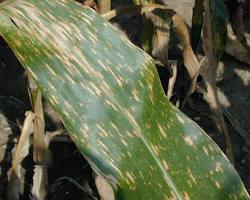
The most recognizable symptom of gray leaf spot is the presence of small, gray to tan lesions on leaves. These spots often have darker borders and may expand over time, merging into larger areas of dead tissue.
In turfgrass, affected areas may appear as thinning or browning patches. In crops, leaves may become heavily spotted and lose their ability to photosynthesize effectively.
Habitat
Gray leaf spot fungi thrive in warm, humid environments where moisture is present on plant surfaces. Dense plant growth, poor air circulation, and frequent rainfall or irrigation can create ideal conditions for infection.
The disease is commonly found in lawns, golf courses, agricultural fields, and ornamental plantings.
Behavior and Disease Development
Fungal spores land on plant surfaces and germinate when moisture is present. The fungus then penetrates the plant tissue and begins to grow, causing visible lesions.
As the infection progresses, the fungus produces more spores, which spread to other plants. This cycle can repeat rapidly, leading to widespread outbreaks.
Environmental conditions play a significant role in disease development. Warm temperatures and high humidity accelerate the spread and severity of gray leaf spot.
Impact
Gray leaf spot can significantly reduce plant health by damaging leaves and limiting photosynthesis. In crops, this can lead to reduced yields and economic losses. In turfgrass, it can weaken lawns and create unsightly areas.
Severe infections may require intervention to prevent further damage.
Prevention and Control
Managing gray leaf spot involves reducing moisture on plant surfaces, improving air circulation, and maintaining proper plant spacing. Watering practices should be adjusted to avoid prolonged leaf wetness.
Resistant plant varieties and proper fertilization can also help reduce susceptibility. In severe cases, fungicides may be used as part of an integrated management approach.
Taxonomy
- Kingdom: Fungi
- Phylum: Ascomycota
- Class: Dothideomycetes
- Order: Capnodiales
- Genus: Cercospora