Overview
Grape root borers are among the most destructive pests affecting grapevines, particularly in established vineyards and backyard plantings. These insects are the larval stage of clearwing moths in the family Sesiidae, a group known for their resemblance to wasps. While adult moths are relatively harmless and short-lived, the larvae spend extended periods feeding underground, where they can cause severe and often unnoticed damage to grapevine root systems.
What makes grape root borers especially problematic is the hidden nature of their activity. Because larvae develop within the soil and feed on roots, infestations are often not detected until vines begin to show signs of stress. By the time symptoms such as wilting, reduced growth, or poor fruit production become visible, root damage may already be extensive. This delayed detection can make management more difficult compared to pests that feed above ground.
Grape root borers typically have a long life cycle, with larvae feeding for one to two years before pupating. This extended feeding period allows them to gradually weaken vines over time. Older vines may tolerate some damage, but younger or stressed plants can decline rapidly under sustained infestation pressure.
Identification
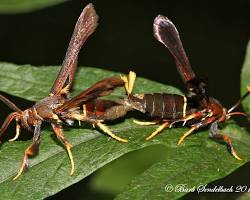
Adult grape root borer moths resemble wasps, with clear wings, narrow bodies, and dark coloration often accented with orange or yellow bands. They are strong fliers but are rarely noticed unless actively observed during emergence periods.
Larvae are cream-colored caterpillars with brown heads and are found within the soil feeding on roots. Signs of infestation include weakened vines, poor growth, and occasionally the presence of frass (sawdust-like material) near the base of plants where larvae have been active.
Habitat
Grape root borers are found wherever grapevines are grown, including commercial vineyards, backyard gardens, and wild grape habitats. They prefer well-established plantings where root systems are extensive and provide ample feeding opportunities. Sandy or well-drained soils may favor their development, but they can occur in a range of soil types.
Because larvae remain underground, infestations are closely tied to the root zone of host plants. Surrounding vegetation and undisturbed soils can provide additional habitat for pupation and adult emergence.
Behavior and Damage
After eggs are laid near the base of grapevines, larvae hatch and burrow into the soil, where they begin feeding on roots. This feeding disrupts the plant’s ability to absorb water and nutrients, leading to gradual decline. Over time, damaged roots may become entry points for pathogens, compounding the problem.
Symptoms include reduced vine vigor, smaller leaves, poor fruit set, and increased susceptibility to drought stress. In severe cases, vines may die, particularly if infestations persist over multiple seasons.
Impact
Grape root borers can significantly reduce vineyard productivity and longevity. In commercial operations, infestations may result in economic losses due to reduced yields and the cost of replanting affected vines.
Prevention and Control
Management strategies include monitoring adult emergence, maintaining vine health, and reducing habitat suitability near vine bases. Removing weeds and debris can limit egg-laying sites. In some cases, targeted soil treatments may be used, but prevention and early detection remain key.
Taxonomy
- Kingdom: Animalia
- Phylum: Arthropoda
- Class: Insecta
- Order: Lepidoptera
- Family: Sesiidae