Overview
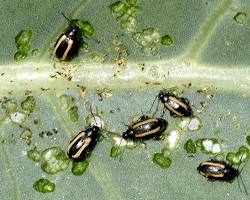
Garden flea beetles are small, jumping beetles belonging to the family Chrysomelidae. They are named for their ability to leap like fleas when disturbed. These insects are common pests in vegetable gardens and agricultural fields, where they feed on plant foliage and can significantly impact crop production.
Flea beetles are especially problematic for young plants, which are more vulnerable to damage. Their feeding creates characteristic small holes in leaves, often described as “shot-hole” damage. This can reduce the plant’s ability to photosynthesize and may stunt growth or lead to plant death in severe cases.
Because of their small size and quick movement, flea beetles can be difficult to detect until damage becomes visible. They are most active during warm, dry conditions, which favor rapid reproduction and feeding activity.
Identification
- Small beetles, typically 1–3 mm long
- Black, brown, or metallic coloration
- Strong hind legs for jumping
- Leaves show small, round holes
Habitat
Garden flea beetles are found in gardens, agricultural fields, and areas with abundant vegetation. They often overwinter in soil or plant debris and emerge in spring to feed on new growth.
Behavior and Damage
Adult beetles feed on leaves, creating numerous small holes that can weaken plants. Larvae may feed on roots, further stressing plants.
Damage is often most severe in seedlings and young plants, where feeding can result in significant loss.
Impact
Flea beetles can reduce crop yields and affect plant health, making them important pests in both home gardens and commercial agriculture.
Prevention and Control
Row covers, crop rotation, and maintaining healthy plants are effective strategies. Removing plant debris and encouraging beneficial insects can also help manage populations.
Taxonomy
- Kingdom: Animalia
- Phylum: Arthropoda
- Class: Insecta
- Order: Coleoptera
- Family: Chrysomelidae