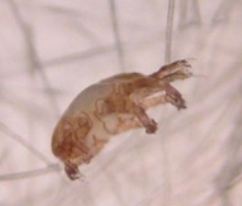
Overview
Fur Mites are microscopic parasites that live on the skin and fur of animals, including common household pets such as dogs, cats, rabbits, and rodents. These mites can cause irritation, itching, and skin conditions that range from mild discomfort to severe dermatological issues. While many species are host-specific, meaning they primarily infest certain animals, some may temporarily affect humans.
Infestations are often more common in environments where animals are housed in close quarters or where hygiene is poor. Because mites are difficult to see with the naked eye, infestations are usually identified based on symptoms rather than direct observation.
Fur mites (families Listrophoridae and Myobiidae) are microscopic, highly specialized arachnids that live exclusively within the fur (pelage) of mammals. Unlike burrowing mites that tunnel into the skin, fur mites are considered surface-dwelling parasites that cling to individual hairs using specially adapted legs.
These mites are commonly found on wildlife but are most frequently encountered by humans as pests of domestic animals such as rabbits, guinea pigs, mice, and rats. One of the most well-known related groups is Cheyletiella, often referred to as “Walking Dandruff” because the mites are visible moving beneath flakes of skin, giving the appearance of crawling dandruff.
Taxonomy and Classification
- Kingdom: Animalia (Animals)
- Phylum: Arthropoda (Arthropods)
- Class: Arachnida (Arachnids)
- Subclass: Acari (Mites and Ticks)
- Order: Trombidiformes
Several families of mites are commonly referred to as fur mites due to their shared behavior and habitat:
- Listrophoridae: Known as “hair-clasping mites,” these species have specialized body structures that allow them to wrap tightly around hair shafts, helping them remain attached to their host.
- Myobiidae: These mites possess modified front legs used to grasp the base of hairs. They are commonly found on rodents such as mice and rats.
- Cheyletiellidae: Often grouped with fur mites due to similar behavior, these are the larger and more mobile “walking dandruff” mites that can sometimes be seen moving across the skin surface.
Behavior and Impact on Hosts
Fur mites feed on skin debris, oils, and sometimes tissue fluids. While small infestations may go unnoticed, larger populations can cause significant irritation to the host animal.
Common signs of infestation include:
- Excessive scratching or grooming
- Redness and skin inflammation
- Patchy or “moth-eaten” fur appearance
- Flaky skin or dandruff-like debris
Severe infestations may lead to stress, hair loss, and secondary bacterial infections, particularly in young or immunocompromised animals.
Zoonotic Potential
Certain species, particularly those in the genus Cheyletiella, are considered zoonotic parasites. This means they can temporarily transfer to humans, causing itchy red welts or dermatitis, typically on the arms, torso, or areas of contact.
However, these mites cannot complete their life cycle on human skin and will eventually die off without a suitable animal host.
Management and Prevention
Effective control of fur mites involves both treating the host animal and addressing the surrounding environment.
- Veterinary Treatment: Topical or systemic medications such as selamectin or ivermectin are commonly prescribed.
- Environmental Cleaning: Thoroughly clean and disinfect cages, bedding, and surrounding areas.
- Regular Monitoring: Check animals for signs of irritation or hair loss.
- Isolation: Separate infected animals to prevent spread.
Maintaining proper hygiene and regular veterinary care is essential for preventing reinfestation.
Related Pestipedia Articles
Identification
- Microscopic size
- Causes itching, scratching, and hair loss
- May produce flaky or irritated skin
Habitat
Fur mites live on animal hosts and may also be found in bedding, cages, and resting areas. They thrive in warm environments and can spread through direct contact.
Behavior and Impact
These mites feed on skin cells, oils, or blood depending on the species. Infestations can lead to irritation, inflammation, and secondary infections if untreated.
Pets may exhibit excessive scratching, grooming, or behavioral changes due to discomfort.
Prevention and Control
Regular grooming, veterinary care, and cleaning of pet environments are essential for preventing infestations. Treatments may include medicated shampoos or topical medications.