Overview
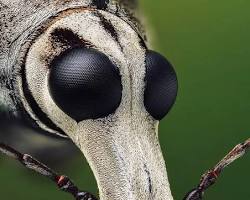
Fungus Weevils are a specialized group of weevils that primarily feed on fungi and decaying organic material. Unlike many other weevils that target living plant tissue, fungus weevils are more closely associated with damp environments where fungal growth is abundant. However, some species may also feed on plant roots, making them a potential concern in greenhouses and nursery settings.
These insects are part of the Curculionidae family, known for their distinctive snouts and compact bodies. While their ecological role includes aiding decomposition, their presence in controlled environments can indicate excessive moisture and poor soil conditions.
Taxonomy and Classification
Fungus weevils belong to the family Anthribidae, a distinct group within the weevil superfamily. Unlike “true weevils” (family Curculionidae), fungus weevils do not have elbowed antennae, and their snouts (rostrums) are typically shorter and broader. Their mouthparts are adapted for feeding on fungal spores, molds, and decaying plant material, making them closely associated with decomposing wood and organic matter.
- Kingdom: Animalia (Animals)
- Phylum: Arthropoda (Arthropods)
- Class: Insecta (Insects)
- Order: Coleoptera (Beetles)
- Suborder: Polyphaga
- Superfamily: Curculionoidea (Weevils and relatives)
- Family: Anthribidae (Fungus Weevils)
The family Anthribidae includes several important subfamilies that differ in habitat, size, and feeding behavior:
- Anthribinae: The largest and most widespread subfamily, containing the majority of fungus weevil species. These beetles are typically found on decaying wood, fungi, and lichens, where both adults and larvae feed on fungal growth.
- Choraginae: Generally smaller and more compact in shape, this subfamily includes species that are sometimes associated with stored products. A well-known example is the Coffee Bean Weevil (Araecerus fasciculatus), which can infest dried plant materials.
- Urodontinae: A smaller and more specialized group often associated with the seed pods of certain flowering plants. Unlike many fungus-feeding relatives, some species in this subfamily may feed on plant material rather than fungi.
Although grouped with weevils, fungus weevils are ecologically distinct due to their strong association with fungal environments. Their classification within Curculionoidea highlights their evolutionary relationship to other weevils, while their feeding habits place them among important decomposers in forest ecosystems.
Identification
- Small beetles with elongated snouts
- Brown, gray, or mottled coloration
- Compact, oval bodies
- Larvae are white, legless grubs
Habitat
Fungus weevils are commonly found in moist soils, compost, and areas with fungal growth. They are often encountered in greenhouses, potted plants, and garden beds with high organic content.
Behavior and Impact
These weevils feed on fungi and organic matter, but in some cases may damage plant roots or stems. Their presence can weaken plants and reduce growth, particularly in high-density growing environments.
Because they are associated with moisture and fungal growth, infestations often indicate environmental imbalances that need to be addressed.
Prevention and Control
Improving drainage, reducing overwatering, and removing decaying organic material can help prevent infestations. Monitoring soil conditions and maintaining proper sanitation are key to long-term control.