Overview
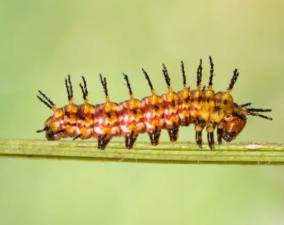
The term Forest Caterpillars is commonly used to describe a wide range of moth and butterfly larvae that live and feed in wooded habitats. While many forest caterpillar species are a natural and important part of woodland ecosystems, some become serious pests when populations rise to outbreak levels. During these periods, caterpillars can strip leaves from trees, weaken forest stands, reduce tree growth, and create nuisance conditions in parks, campgrounds, residential landscapes, and managed timber areas. Because this term covers multiple species rather than a single insect, it is often used broadly for defoliating larvae found on hardwoods, conifers, understory shrubs, and even ornamental trees near forest edges.
“Forest caterpillars” is a broad term typically referring to the larval stages of various moths and butterflies that can cause widespread defoliation in wooded areas. Among the most notorious are the Spongy Moth (formerly Gypsy Moth) and the Forest Tent Caterpillar. These larvae are highly adapted to their environments, often possessing cryptic coloration to blend with bark or defensive hairs to deter predators. Unlike solitary garden caterpillars, many forest species are gregarious, living in large communal groups or spinning silken “tents” that provide protection from the elements and birds during their early developmental stages.
The impact of these caterpillars on forest health is largely dictated by their population cycles. In “outbreak” years, millions of larvae can strip the canopy of deciduous trees like oaks, maples, and aspens in a matter of weeks. While a healthy broadleaf tree can usually survive a single complete defoliation by pushing out a second set of leaves, repeated attacks over several years weaken the tree’s immune system, making it susceptible to drought, disease, and wood-boring beetles. Management typically involves monitoring “egg masses” during the winter and using biological insecticides like Bacillus thuringiensis kurstaki (Btk) in the spring to target the larvae while they are small and most vulnerable.
Forest caterpillars vary in color, size, and behavior, but many share similar life cycles. Eggs are laid on host plants, larvae emerge and feed heavily on foliage, and mature caterpillars pupate before becoming adult moths or butterflies. In balanced ecosystems, birds, predatory insects, parasitoid wasps, fungal diseases, and weather conditions help keep populations in check. However, when those natural controls fail or environmental conditions favor survival, caterpillar numbers can increase rapidly and cause visible damage over large areas.
Identification
- Soft-bodied larvae with segmented bodies and distinct head capsules
- Coloration ranges from green and brown to striped, spotted, or hairy
- Some species feed alone, while others cluster in groups
- Often found on leaves, twigs, bark, or silk webbing in trees and shrubs
- May produce visible frass beneath infested branches
Habitat
Forest caterpillars are found in deciduous forests, mixed woodlands, conifer stands, shelterbelts, urban tree lines, and residential areas bordering natural habitat. Different species specialize on different host plants. Some prefer oaks, maples, birches, aspens, or fruit trees, while others target fir, spruce, pine, or broadleaf shrubs. They are especially noticeable in spring and early summer when fresh foliage provides ideal feeding material. In residential settings, they may move from nearby forests into shade trees, hedges, and backyard ornamentals.
Behavior and Feeding Damage
Most forest caterpillars are foliage feeders. Young larvae often skeletonize leaves by removing soft tissue between veins, while older larvae consume entire leaves or needles. Heavy infestations can leave trees partially or completely defoliated. A single year of defoliation may not kill a healthy mature tree, but repeated defoliation weakens growth, stresses root systems, and increases vulnerability to drought, borers, canker diseases, and other secondary problems. Some species also create nuisance conditions when caterpillars drop from branches on silk threads, gather on trunks, or wander across patios, sidewalks, and building exteriors in search of pupation sites.
Ecological Role
Although often treated as pests during outbreaks, forest caterpillars are also an important part of natural food webs. They serve as prey for birds, bats, spiders, predatory beetles, and parasitic wasps. Their feeding contributes to nutrient cycling, and moderate defoliation is a normal ecological event in many forests. The challenge for homeowners, landscapers, and forest managers comes when outbreak populations lead to repeated stress on desirable trees or create health concerns from irritating hairs, silk debris, and excessive frass.
Prevention and Control
Management depends on the species involved, the value of the affected trees, and the severity of the infestation. Monitoring egg masses, inspecting foliage early in the season, and identifying the host plants involved are important first steps. In landscapes, hand-removal of small groups, pruning infested branches, and encouraging natural predators can help reduce damage. In larger settings, biological controls such as Bacillus thuringiensis (Bt) may be used against young larvae. Maintaining tree vigor through proper watering and avoiding unnecessary stress also improves recovery after defoliation events.