Overview
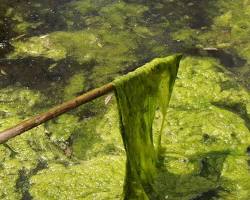
Filamentous algae are string-like aquatic algae that grow in long interconnected strands, often forming dense floating mats on the surfaces of ponds, lakes, irrigation systems, and decorative water features. Commonly referred to as “pond scum,” “string algae,” or “moss algae,” these organisms are a natural part of freshwater ecosystems but can become problematic when excessive nutrient levels trigger rapid overgrowth.
Unlike microscopic planktonic algae that turn water green and cloudy, filamentous algae form visible fibrous masses that may float freely or attach to submerged surfaces. Their thick tangled mats can interfere with water flow, reduce oxygen availability, block sunlight, and negatively affect fish, aquatic plants, and overall water quality.
Filamentous algae outbreaks are commonly associated with:
- Excess fertilizer runoff
- Animal waste contamination
- Stagnant water
- Warm temperatures
- Poor water circulation
- Organic debris accumulation
Although moderate algae growth provides habitat and oxygen for aquatic organisms, uncontrolled infestations can create severe ecological and maintenance problems.
Taxonomy and Classification
- Domain: Eukaryota
- Kingdom: Protista
- Division: Chlorophyta (most green filamentous algae)
- Common Name: Filamentous Algae
Filamentous algae are not a single species but rather a broad group of algae that grow in thread-like colonies.
Common genera include:
- Spirogyra
- Cladophora
- Oedogonium
- Pithophora
These algae reproduce rapidly under favorable environmental conditions and are capable of forming large floating colonies in relatively short periods of time.
Like plants, filamentous algae use:
- Sunlight
- Carbon dioxide
- Nutrients
to produce energy through photosynthesis.
Physical Description
Filamentous algae are easily recognized by their long thread-like growth patterns.
Important identifying features include:
- Long green strands
- Hair-like or fibrous appearance
- Slimy or cotton-like texture
- Floating surface mats
- Tangled masses attached to rocks or plants
The coloration is typically:
- Bright green
- Dark green
- Yellow-green
depending on nutrient levels and environmental conditions.
Some species feel:
- Silky
- Slippery
- Coarse
- Wool-like
when removed from water.
Dense mats may cover large portions of water surfaces and resemble floating wet grass or moss.
Distribution and Habitat
Filamentous algae are found worldwide in freshwater and some marine environments.
They are especially common in:
- Ponds
- Lakes
- Canals
- Slow-moving streams
- Irrigation systems
- Decorative fountains
- Koi ponds
- Livestock watering systems
Ideal growth conditions include:
- Warm temperatures
- High sunlight exposure
- Nutrient-rich water
- Slow water movement
- High phosphorus levels
- Excess nitrogen
Outbreaks are particularly common during:
- Spring
- Summer
- Periods of drought
Shallow nutrient-rich ponds are especially vulnerable to severe blooms.
Growth and Reproduction
Filamentous algae reproduce rapidly through fragmentation and cell division.
Small pieces of algae can easily break off and establish new colonies elsewhere.
Growth accelerates when water contains elevated nutrient concentrations from:
- Fertilizer runoff
- Animal manure
- Decaying vegetation
- Organic waste
- Stormwater runoff
Under ideal conditions, algae mats may expand dramatically within days.
Photosynthesis during daylight produces oxygen, but nighttime respiration and decomposition can significantly reduce dissolved oxygen levels.
Behavior and Ecological Impact
Filamentous algae play both beneficial and harmful roles in aquatic ecosystems.
Beneficial Effects
Moderate algae populations provide:
- Oxygen production
- Habitat for micro-organisms
- Food sources for aquatic invertebrates
- Nutrient cycling
Small amounts are natural and important components of healthy aquatic systems.
Negative Effects
Excessive growth creates serious environmental problems.
Heavy infestations may:
- Block sunlight
- Reduce aquatic plant growth
- Lower oxygen levels
- Create foul odors
- Contribute to fish kills
- Disrupt recreation
Large floating mats may also clog:
- Irrigation systems
- Boat propellers
- Pumps
- Water intake pipes
- Filtration systems
As algae die and decompose, bacteria consume oxygen, which may create dangerous low-oxygen conditions for fish and aquatic organisms.
Signs of Excessive Growth
- Floating green mats on water surface
- Stringy algae attached to rocks or plants
- Foul or musty odors
- Reduced water clarity
- Fish stress or fish kills
- Clogged pumps and filters
- Excessive slime accumulation
Dense growth often becomes most noticeable during hot sunny weather.
Economic and Environmental Importance
Filamentous algae can significantly affect:
- Aquaculture
- Irrigation systems
- Recreational lakes
- Golf course ponds
- Landscape water features
- Livestock operations
Economic impacts may include:
- Equipment maintenance costs
- Reduced property aesthetics
- Fishery losses
- Water treatment expenses
- Reduced recreational use
Heavy infestations may also increase mosquito breeding potential by creating stagnant protected water areas.
Management and Control (IPM)
Effective management of Filamentous algae requires long-term nutrient reduction combined with direct control methods.
Nutrient Reduction
Reducing nitrogen and phosphorus inputs is the most important long-term strategy.
Helpful practices include:
- Reducing fertilizer runoff
- Managing animal waste
- Preventing erosion
- Removing decaying vegetation
- Improving drainage
Mechanical Removal
Physically removing algae mats provides immediate relief.
Common methods include:
- Raking
- Skimming
- Harvesting equipment
- Manual removal
Removing algae also removes stored nutrients from the water system.
Aeration
Aeration systems improve oxygen levels and water circulation.
Better circulation discourages stagnant conditions favorable to algae growth.
Aquatic Dyes
Specialized aquatic dyes reduce sunlight penetration, slowing photosynthesis and algae development.
Dyes are commonly used in:
- Decorative ponds
- Golf course ponds
- Landscape water features
Biological Control
Some aquatic organisms help consume algae naturally.
Examples include:
- Grass carp
- Certain snails
- Algae-feeding fish species
Biological controls vary in effectiveness depending on algae species and water conditions.
Chemical Treatments
Algaecides may be used for severe infestations.
Common products include:
- Copper-based algaecides
- Hydrogen peroxide treatments
- Peroxide-based aquatic products
Chemical treatments should be used carefully because sudden algae die-offs may reduce oxygen levels dangerously.
Prevention Strategies
Preventing outbreaks is easier than treating severe infestations.
Important preventive measures include:
- Maintaining healthy aquatic plants
- Reducing runoff pollution
- Limiting nutrient accumulation
- Regular pond maintenance
- Improving water movement
- Monitoring water quality
Balanced aquatic ecosystems are naturally more resistant to algae overgrowth.
Research and Scientific Importance
Researchers study filamentous algae because of their importance in:
- Aquatic ecology
- Water quality management
- Nutrient cycling
- Environmental monitoring
- Climate change studies
Scientists also investigate sustainable algae management methods that minimize environmental impacts while protecting aquatic biodiversity.
Conclusion
Filamentous algae are thread-like aquatic algae that naturally occur in ponds, lakes, canals, and water features. While moderate growth supports aquatic ecosystems, excessive nutrient levels can trigger severe overgrowth that reduces oxygen, blocks sunlight, damages water quality, and interferes with aquatic life and recreational activities. Effective long-term management focuses on nutrient reduction, improved water circulation, regular maintenance, and balanced ecosystem management to prevent recurring outbreaks.