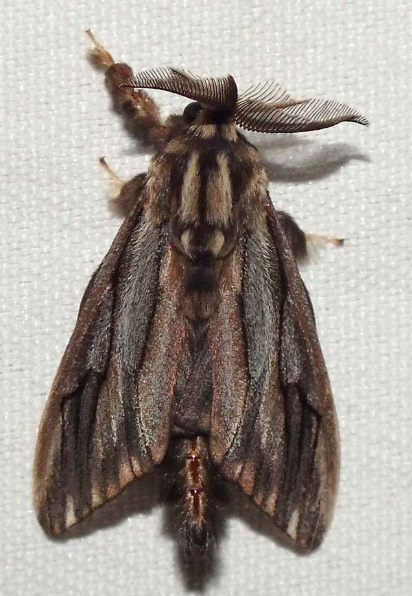
Eumeta Bagworms are moth larvae belonging to the genus Eumeta in the family Psychidae. These insects are closely related to the more commonly known bagworm moth and share similar behavior, including the construction of protective silk cases covered in plant debris.
Taxonomy and Classification
- Order: Lepidoptera
- Family: Psychidae
- Genus: Eumeta
Physical Description
The most distinctive feature of Eumeta bagworms is the portable case built by the larva. This case is constructed from silk and fragments of leaves, twigs, or bark, making it highly camouflaged against the host plant.
Adult males emerge as small moths, while females remain inside their bags and rarely leave.
Distribution and Habitat
Eumeta species are found in tropical and subtropical regions worldwide. They are commonly associated with ornamental trees and shrubs, especially in landscaped environments.
Behavior and Damage
Larvae feed on plant foliage while remaining partially inside their protective case. Heavy infestations can lead to:
- Defoliation of trees and shrubs
- Reduced plant growth
- Plant stress or death (in severe cases)
Because of their feeding behavior, they are classified as tree pests and garden pests.
Management
- Hand removal of bags
- Early detection and monitoring
- Encouraging natural predators