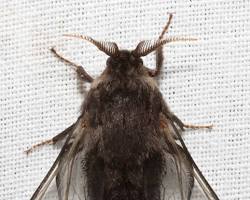
Bagworm Moths, most commonly referring to the Common Bagworm (Thyridopteryx ephemeraeformis), are destructive caterpillar pests that feed on trees, shrubs, and ornamental plants. The species is well known for the protective silk “bags” constructed by the larvae, which are covered with pieces of plant material such as needles, leaves, and bark. These camouflaged cases protect the caterpillars while they feed and grow.
Bagworms are considered significant tree pests and landscape pests because heavy infestations can defoliate and weaken plants. Evergreen trees, especially arborvitae, juniper, cedar, and spruce, are particularly vulnerable. Unlike deciduous trees that can often recover from defoliation, evergreen trees may suffer permanent damage or death when infestations are severe.
Taxonomy and Classification
- Order: Lepidoptera
- Family: Psychidae
- Genus: Thyridopteryx
- Species: Thyridopteryx ephemeraeformis
- Common Name: Common Bagworm
Bagworms belong to the moth family Psychidae, which includes many species known for their portable protective cases.
Physical Description
The most recognizable feature of the bagworm is the protective case built by the caterpillar. These bags are constructed from silk and fragments of the host plant, making them resemble small pinecones or clumps of dried foliage hanging from branches.
Larvae (Caterpillars): Small, dark caterpillars that live entirely within the protective bag while feeding on foliage.
Adult Males: Small black moths with clear wings and feathery antennae. Adult males leave the bag to fly and locate females.
Adult Females: Wingless and worm-like in appearance. They remain inside the bag for their entire adult life.
Female bagworms rarely leave their protective case. After mating, they lay hundreds of eggs inside the same bag before dying.
Distribution and Habitat
The common bagworm is widely distributed across the eastern and central United States and parts of southern Canada. It thrives in landscapes where ornamental trees and shrubs are common.
- Residential landscapes
- Parks and ornamental gardens
- Hedges and windbreak plantings
- Forest edges
- Nursery and landscape plantings
Bagworms are especially problematic in urban and suburban areas where susceptible evergreen plants are widely used in landscaping.
Behavior and Damage
Bagworm larvae begin feeding shortly after hatching in late spring. As they grow, they expand their protective bag and continue feeding on plant foliage.
Damage typically appears as:
- Brown or thinning foliage
- Defoliated branches
- Small cone-shaped bags hanging from branches
- Gradual decline of heavily infested plants
Severe infestations can strip trees and shrubs of large amounts of foliage, particularly evergreen species that cannot easily replace lost needles.
Life Cycle
The bagworm life cycle includes four stages: egg, larva, pupa, and adult.
Eggs overwinter inside the protective bag. In late spring, tiny caterpillars emerge and begin constructing their own cases. Larvae feed throughout the summer before pupating inside the bag in late summer. Adult males emerge to mate, while females remain inside their bags to lay eggs.
Management and Prevention
Bagworm infestations are easiest to control when detected early. Integrated pest management strategies are typically recommended.
- Hand removal: Bags can be removed from plants during fall, winter, or early spring before eggs hatch.
- Early monitoring: Inspect evergreen trees in late spring for newly hatched larvae.
- Encourage natural predators: Birds and beneficial insects may help reduce populations.
- Targeted treatments: Biological controls such as Bacillus thuringiensis (Bt) are most effective when applied to young larvae.
For severe infestations affecting large trees or landscape plantings, homeowners may consider contacting a local pest control company for evaluation and treatment options.