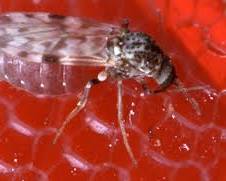
Biting Midges, commonly known as No-See-Ums, are tiny blood-feeding flies belonging to the family Ceratopogonidae. Despite their extremely small size, these insects are among the most irritating biting pests encountered in coastal regions, forests, wetlands, and humid outdoor environments. Female biting midges feed on the blood of humans, birds, livestock, and wildlife in order to develop eggs, while males feed primarily on nectar and plant sugars.
Biting midges are infamous for their painful bites and their ability to pass through ordinary window screens due to their microscopic size. Their attacks often occur in swarms during dawn and dusk, especially in warm humid weather. Because they are difficult to see, many people notice the itching and irritation before they ever spot the insects themselves.
Quick Facts
- Scientific Family: Ceratopogonidae
- Common Names: No-See-Ums, Punkies, Sand Flies, Biting Midges
- Size: Usually less than 1/8 inch long
- Habitat: Wetlands, marshes, forests, beaches, moist soil
- Diet: Blood (females), nectar and plant fluids (males)
- Status: Nuisance biting pest
- Activity Period: Most active at dawn and dusk
Identification
Biting midges are extremely small insects that are often difficult to see without close inspection.
Common identification features include:
- Tiny gray or black body
- Narrow wings
- Long slender legs
- Humpbacked appearance
- Short antennae
- Weak but persistent flight
Most species measure:
- 1–3 millimeters long
Their small size allows them to pass through:
- Standard window screens
- Open weave fabrics
- Minor structural gaps
Unlike mosquitoes, biting midges are much smaller and often attack in large numbers.
Distribution and Habitat
No-See-Ums occur worldwide and are especially common in:
- Coastal environments
- Wetlands
- Swamps
- Marshes
- Forests
- Riverbanks
- Lakeshores
- Tropical regions
- Subtropical climates
They breed in moist habitats containing:
- Mud
- Wet organic debris
- Standing water
- Saturated soil
- Decaying vegetation
- Mangrove environments
Populations are often highest during:
- Warm humid weather
- Rainy seasons
- Periods of high moisture
Life Cycle
Biting midges undergo complete metamorphosis consisting of:
- Egg
- Larva
- Pupa
- Adult
Females deposit eggs in damp environments rich in organic material.
Larvae develop in:
- Wet soil
- Marsh mud
- Rotting vegetation
- Water-saturated organic debris
Under favorable warm conditions:
- Development can occur rapidly
- Several generations may develop yearly
- Large populations can emerge quickly
Adult females seek blood meals before laying eggs, while males remain harmless plant feeders.
Behavior
Biting midges are most active during:
- Dawn
- Dusk
- Cloudy days
- Humid evenings
They are attracted to:
- Body heat
- Carbon dioxide
- Sweat
- Movement
- Moisture
Females use specialized mouthparts to pierce the skin and feed on blood.
Unlike mosquitoes that often land briefly, biting midges may aggressively swarm around exposed skin.
Common attack areas include:
- Arms
- Legs
- Neck
- Ankles
- Face
Bites and Symptoms
Biting midge bites can cause:
- Intense itching
- Red welts
- Swelling
- Burning sensations
- Skin irritation
- Allergic reactions in sensitive individuals
For some people, bites remain irritating for several days.
Heavy infestations may make outdoor activities unpleasant, particularly near:
- Beaches
- Campgrounds
- Lakes
- Wetlands
- Coastal homes
Pest Status
Biting midges are considered serious nuisance pests because of their painful bites and swarming behavior.
In addition to affecting humans, they may also irritate:
- Livestock
- Horses
- Dogs
- Wildlife
- Poultry
Some species are capable of transmitting diseases to animals, particularly livestock diseases in agricultural settings.
Although human disease transmission is less common than with mosquitoes, their biting behavior alone makes them highly problematic in many outdoor environments.
Signs of Activity
- Persistent itching after outdoor exposure
- Tiny flying insects near moist environments
- Swarming during dusk
- Multiple small bite marks
- Heavy activity near marshes or beaches
Prevention
Prevention focuses on minimizing exposure and reducing breeding conditions.
- Eliminate standing water where possible
- Reduce wet organic debris
- Install fine mesh screening
- Use insect repellents containing DEET or picaridin
- Wear long sleeves and pants outdoors
- Avoid outdoor activity during dawn and dusk
- Use fans in outdoor seating areas
- Maintain proper drainage around structures
Fine mesh screens are particularly important because ordinary screens may not stop No-See-Ums.
Control
Complete control of biting midges is difficult because breeding sites may cover large natural areas.
Management strategies include:
- Habitat modification
- Moisture reduction
- Larval management
- Barrier insecticides
- Protective clothing
- Outdoor fans
- Repellent applications
Professional pest management may help reduce populations around:
- Resorts
- Homes
- Campgrounds
- Outdoor event spaces
Ecological Importance
Although considered nuisance pests, biting midges also play ecological roles.
They serve as food for:
- Fish
- Birds
- Dragonflies
- Bats
- Spiders
- Aquatic insects
Some non-biting midge relatives are also important pollinators in wetland ecosystems.
Interesting Facts
- No-See-Ums are among the smallest biting flies in the world.
- Some species can pass through ordinary mosquito netting.
- Only females bite humans and animals.
- Their bites may feel more painful than mosquito bites.
- Coastal regions often experience the highest populations.
- Windy conditions can significantly reduce biting activity.