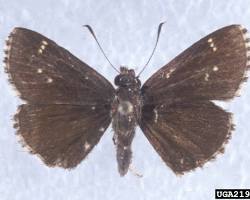
The Bell’s Roadside Skipper (Amblyscirtes belli) is a small butterfly belonging to the skipper family Hesperiidae. This species is commonly associated with grassy habitats, roadside vegetation, prairie edges, woodland clearings, and open meadows where native grasses and flowering plants thrive. Although its modest brown coloration makes it less noticeable than many brightly colored butterflies, Bell’s roadside skipper is an important pollinator and a valuable component of healthy grassland ecosystems.
Like many skipper butterflies, this species is known for its rapid darting flight and stout body shape. Its quick movements and camouflage coloration often allow it to blend easily into grassy vegetation, making it a species that is frequently overlooked despite being relatively widespread in suitable habitats.
Quick Facts
- Family: Hesperiidae
- Scientific Name: Amblyscirtes belli
- Habitat: Grasslands, roadside vegetation, woodland edges, and meadows
- Diet: Nectar (adults) and grasses (larvae)
- Status: Beneficial pollinator and native butterfly species
Identification
Bell’s roadside skipper is a relatively small butterfly with a wingspan typically ranging between 1 and 1.5 inches.
- Upper wings are dark brown or chocolate brown
- Subtle pale spots or lighter markings may be visible
- Underside wings often display muted mottling
- Body is stout and fuzzy compared to many butterflies
- Antennae end in small hooked tips typical of skippers
The butterfly’s coloration helps provide camouflage against grasses, bark, and soil surfaces.
Like other butterflies in the skipper family, Bell’s roadside skipper has a fast, erratic flight pattern that differs noticeably from the slower floating flight of many larger butterflies.
Adults are most active during warm sunny weather when they move rapidly between flowers and resting sites.
Distribution and Habitat
Bell’s roadside skipper occurs across portions of North America, especially in regions containing open grassy habitats and native prairie vegetation.
It is commonly found in:
- Native grasslands
- Prairie habitats
- Roadside vegetation
- Woodland edges
- Open fields
- Nature preserves
- Trail systems and meadows
The species depends heavily on the presence of suitable host grasses used by developing caterpillars.
Adults are often observed near flowering plants where nectar resources are abundant.
Because roadside habitats frequently contain native grasses and wildflowers, they can provide surprisingly important refuge areas for skipper populations and other pollinating insects.
Life Cycle and Behavior
Bell’s roadside skipper undergoes complete metamorphosis consisting of:
- Egg
- Larva (caterpillar)
- Pupa (chrysalis)
- Adult butterfly
Females deposit eggs individually on or near host grasses that will serve as food for the developing caterpillars.
After hatching, larvae begin feeding on grass blades and often create protective shelters by folding grass leaves together with silk.
These shelters help protect caterpillars from:
- Predators
- Rainfall
- Extreme temperatures
- Dry conditions
As larvae mature, they continue feeding on grasses before pupating within protected vegetation.
Adult butterflies emerge during warm seasons and spend much of their time:
- Feeding on nectar
- Searching for mates
- Basking in sunlight
- Resting in grasses
The adults are active daytime pollinators and may visit many small flowering plants throughout their habitat range.
Ecological Importance
Bell’s roadside skipper plays several valuable ecological roles.
- Pollination of native flowering plants
- Support of grassland biodiversity
- Food source for birds and predators
- Contribution to healthy native ecosystems
Adult butterflies help transfer pollen between flowers while feeding on nectar.
The caterpillars contribute to natural grassland food webs and provide prey for various birds, spiders, predatory insects, and parasitic wasps.
Healthy butterfly populations often indicate stable and diverse native plant communities.
Pest Status
Bell’s roadside skipper is not considered a pest.
Its caterpillars feed mainly on native grasses and rarely cause noticeable damage to lawns, crops, or ornamental plants.
Unlike some defoliating caterpillar species, populations of this butterfly are generally low enough that feeding remains ecologically balanced and non-destructive.
Most gardeners and conservationists view the species as beneficial due to its pollination role and contribution to biodiversity.
Conservation Concerns
Like many native butterflies, Bell’s roadside skipper faces pressure from habitat loss and environmental changes.
Threats may include:
- Loss of native grasslands
- Roadside mowing during breeding seasons
- Pesticide exposure
- Urban development
- Declining native plant diversity
Conservation of natural grassland habitats and pollinator-friendly landscapes helps support stable populations.
Prevention
No prevention measures are necessary because the species is beneficial and harmless.
Many property owners actively encourage butterflies by:
- Planting nectar-producing flowers
- Preserving native grasses
- Reducing pesticide use
- Creating pollinator gardens
- Maintaining natural meadow habitats
Allowing portions of roadside vegetation and native landscapes to remain undisturbed can significantly benefit skipper populations.
Control
Control is not recommended.
Bell’s roadside skipper contributes positively to pollination and biodiversity in natural and managed landscapes.
Its presence is generally considered a sign of a healthy ecosystem with diverse native vegetation.
Interesting Facts
- Skipper butterflies are named for their fast skipping flight pattern.
- Bell’s roadside skipper often rests with wings partially open.
- The hooked antennae tips are characteristic of skipper butterflies.
- Caterpillars construct protective shelters from folded grass leaves.
- Roadside habitats can serve as important pollinator corridors for skipper species.