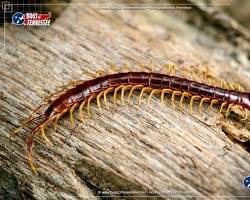
The Bee Assassin Bug is a predatory insect belonging to the assassin bug family Reduviidae. These insects are known for their aggressive hunting behavior and specialized piercing mouthparts used to capture and feed on other insects. As their name suggests, bee assassin bugs are capable of preying on bees, though they also consume flies, beetles, caterpillars, wasps, and numerous other insects found around flowering plants and agricultural landscapes.
Identification
Bee assassin bugs have elongated bodies with narrow heads and a distinctive curved beak-like mouthpart known as a rostrum. Adults are typically between 1/2 inch and 1 inch long depending on species.
- Elongated body shape
- Long slender legs
- Prominent piercing rostrum
- Brown, black, or reddish coloration
- Hunched predatory posture
Their appearance is often intimidating due to their predatory build and sharp mouthparts. Many species possess camouflage coloration that allows them to blend into flowers, stems, bark, or foliage while waiting for prey.
Like other assassin bugs, they use their rostrum to stab prey and inject digestive enzymes.
Distribution and Habitat
Bee assassin bugs are widely distributed throughout North America and are most commonly encountered in habitats rich in insect activity.
Preferred habitats include:
- Gardens and flower beds
- Agricultural fields
- Woodland edges
- Wildflower meadows
- Pollinator gardens
- Shrubs and tall vegetation
They are frequently found on flowering plants where pollinators and other prey insects gather.
Life Cycle and Behavior
Bee assassin bugs undergo incomplete metamorphosis consisting of three main stages:
- Egg
- Nymph
- Adult
Nymphs resemble smaller wingless adults and begin hunting soon after hatching. Both nymphs and adults are active predators.
These insects are ambush hunters that often remain motionless until prey approaches. Once prey is within reach, the assassin bug quickly grabs it with its front legs and inserts the rostrum into the victim.
The digestive enzymes injected into the prey liquefy internal tissues, which are then consumed by the assassin bug.
Common prey includes:
- Bees
- Flies
- Beetles
- Caterpillars
- Wasps
- Small grasshoppers
Ecological Importance
Bee assassin bugs are important predatory insects within many ecosystems. They help naturally regulate populations of other insects and contribute to ecological balance.
Benefits include:
- Natural biological pest control
- Reduction of crop-feeding insects
- Suppression of caterpillar populations
- Control of nuisance flies and beetles
However, because they sometimes prey on pollinators such as bees and butterflies, they may be viewed with mixed interest in pollinator-focused landscapes.
Pest Status
Bee assassin bugs are generally not considered pests. They rarely occur in large enough numbers to negatively impact bee populations or cause meaningful ecological disruption.
Most encounters are harmless, though they may occasionally deliver a painful defensive bite if handled carelessly.
Their role is usually considered neutral to beneficial because they also consume many damaging garden and agricultural pests.
Prevention
- Encourage balanced garden ecosystems.
- Support pollinator diversity with varied flowering plants.
- Limit broad-spectrum pesticide use.
- Monitor pollinator-heavy garden areas.
- Maintain habitat diversity for beneficial insects.
Healthy ecosystems typically maintain natural predator-prey balance without intervention.
Control
Control is rarely necessary because bee assassin bugs generally occur in low populations.
If removal is desired, options include:
- Manual relocation
- Careful removal from pollinator areas
- Reducing dense hiding vegetation near sensitive pollinator habitats
Chemical treatment is usually discouraged because it may harm beneficial pollinators and other natural predators.
Interesting Facts
- Assassin bugs are among the most effective insect predators in gardens.
- Their rostrum functions like a piercing straw.
- Some species camouflage themselves among flowers while hunting.
- Nymphs begin hunting immediately after hatching.
- Many assassin bugs help reduce agricultural pest populations naturally.