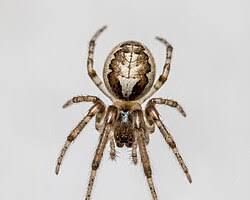
Zygiella Spiders
Zygiella Spiders are a group of small orb-weaving spiders best known for constructing distinctive webs that contain a missing section, earning them the common name Missing-Sector Orb Weavers. Belonging to the genus Zygiella, these spiders are commonly found around homes, gardens, parks, sheds, fences, and other outdoor structures. They are highly beneficial predators that capture a wide variety of flying insects, including flies, gnats, mosquitoes, and small moths.
Although their webs may occasionally be considered a nuisance when attached to windows, doorways, patios, or outdoor furniture, Zygiella Spiders pose no meaningful threat to people, pets, or property. They are shy, non-aggressive spiders that spend most of their lives maintaining webs and waiting for prey.
Because of their effectiveness at controlling nuisance insects, many gardeners and homeowners consider them valuable natural pest control agents rather than pests.
Taxonomy and Classification
Zygiella Spiders belong to the family of orb-weaving spiders, a group known for constructing circular capture webs.
- Kingdom: Animalia
- Phylum: Arthropoda
- Class: Arachnida
- Order: Araneae
- Family: Araneidae
- Genus: Zygiella
The genus contains several species distributed throughout Europe, Asia, North America, and other temperate regions. They are closely related to many other orb-weaving spiders commonly found in gardens and landscapes.
Identification
Zygiella Spiders are relatively small and often overlooked unless their distinctive webs are noticed.
Adults
- Body Length: 4–8 mm.
- Leg Span: Up to 25 mm depending on species and sex.
- Color: Gray, silver-gray, tan, brown, or cream.
- Abdomen: Rounded or oval with subtle markings.
- Legs: Long, slender, and lightly banded.
Females are generally larger than males and are more commonly observed in webs.
Key Web Identification Feature
The easiest way to identify a Zygiella Spider is by examining its web.
- Traditional circular orb web.
- A clearly visible missing section of the capture spiral.
- A single signal thread extending from the web hub.
- Spider often waits in a nearby retreat rather than in the center.
This missing sector is unique among common orb-weaving spiders and serves as the genus’ most recognizable characteristic.
Distribution and Habitat
Zygiella Spiders are found throughout temperate regions of the world.
Common habitats include:
- Gardens
- Shrubs and hedges
- Trees
- Window frames
- Porches
- Eaves and gutters
- Fences
- Outdoor lighting fixtures
- Garages
- Sheds
They prefer locations where flying insects are abundant and where structures provide stable anchor points for web construction.
Life Cycle
Zygiella Spiders undergo a simple life cycle consisting of egg, spiderling, juvenile, and adult stages.
- Egg Stage: Females deposit eggs within protective silk sacs.
- Spiderling Stage: Young spiders emerge and disperse.
- Juvenile Stage: Individuals construct progressively larger webs as they grow.
- Adult Stage: Mature spiders reproduce and continue web-building activities.
Most species complete their life cycle within a year, although development rates vary depending on climate and food availability.
Web Construction
The web architecture of Zygiella Spiders is among the most interesting in the spider world.
Unlike typical orb-weavers that construct a complete circular web, Zygiella species intentionally leave one sector incomplete.
The web consists of:
- Radial support threads.
- Sticky capture spirals.
- A missing sector.
- A signal thread connecting the web hub to the spider’s retreat.
The spider usually hides nearby rather than sitting directly in the center of the web.
Behavior and Ecology
Zygiella Spiders are solitary hunters that rely entirely on their webs to capture prey.
Common behaviors include:
- Constructing new webs regularly.
- Repairing damaged sections.
- Waiting in concealed retreats.
- Responding rapidly to web vibrations.
- Removing damaged prey remains.
The signal thread allows the spider to detect prey while remaining safely hidden.
Diet and Feeding Habits
Zygiella Spiders feed primarily on flying insects.
Common prey includes:
- Mosquitoes
- House flies
- Gnats
- Midges
- Small moths
- Flying ants
- Leafhoppers
- Small beetles
Once prey becomes trapped in the sticky web, the spider quickly immobilizes it using silk and venom before feeding.
Benefits to Humans
Zygiella Spiders provide significant ecological and practical benefits.
Natural Pest Control
- Reduce mosquito populations.
- Capture nuisance flies.
- Suppress small flying pests.
- Help maintain ecological balance.
Environmentally Friendly
- Require no chemical controls.
- Reduce insect abundance naturally.
- Support biodiversity.
Their presence is generally considered beneficial in gardens and outdoor living areas.
Human Interaction
Zygiella Spiders are extremely harmless to people.
- Non-aggressive behavior.
- Rarely attempt to bite.
- Prefer to retreat when disturbed.
- Do not defend webs aggressively.
Even if handled accidentally, bites are exceptionally uncommon.
Their small fangs are generally incapable of causing significant injury to humans.
Nuisance Issues
The primary complaint associated with Zygiella Spiders involves their webs.
- Webs on windows.
- Webs around outdoor lights.
- Accumulated insect remains.
- Frequent web rebuilding.
These issues are cosmetic rather than structural or health-related.
Signs of Presence
Common indicators include:
- Circular orb webs.
- A distinct missing sector.
- Signal thread extending from the web center.
- Small gray or brown spider nearby.
- Captured flying insects in the web.
The missing sector remains the most reliable identification feature.
Management and Prevention
Management is generally unnecessary because these spiders are beneficial.
Toleration
- Allow spiders to remain in gardens.
- Benefit from natural insect control.
- Preserve biodiversity.
Toleration is the preferred approach whenever possible.
Physical Removal
- Sweep away unwanted webs.
- Use a broom or hose.
- Relocate spiders when practical.
Web removal is usually sufficient to discourage spiders from specific locations.
Exclusion
- Seal gaps around windows.
- Reduce outdoor lighting that attracts insects.
- Keep entry points screened.
Reducing insect activity around structures often decreases spider web construction.
Conservation and Research
Zygiella Spiders are the subject of ongoing research involving web architecture, vibration detection, prey capture efficiency, and spider behavior. Scientists are particularly interested in understanding the function of the missing sector and how the signal thread improves hunting success.
These spiders continue to provide valuable insights into web engineering and predator-prey interactions while serving as effective natural controllers of flying insect populations.