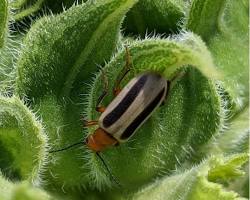
Zonitis Beetles are a group of blister beetles belonging to the genus Zonitis within the family Meloidae. These soft-bodied beetles are widely distributed across many regions of the world and are most commonly encountered on flowering plants in meadows, grasslands, gardens, and agricultural fields. While adults may cause minor feeding damage to flowers, their primary significance comes from their powerful chemical defense mechanism. When disturbed or crushed, Zonitis Beetles release a toxic substance known as cantharidin, which can cause painful skin irritation, blistering, and chemical burns in humans and animals.
Despite their defensive reputation, Zonitis Beetles play important ecological roles. Their larvae have highly specialized life cycles and often develop as parasites of grasshopper egg pods or as nest associates of solitary bees. This unusual biology makes them among the most fascinating beetles found in natural ecosystems.
Although encounters with Zonitis Beetles are generally harmless when they are left undisturbed, accidental handling can lead to unpleasant skin reactions. For this reason, understanding their identification and behavior is important for gardeners, hikers, farmers, and outdoor enthusiasts.
Taxonomy and Classification
Zonitis Beetles belong to the blister beetle family, a group known for producing cantharidin.
- Kingdom: Animalia
- Phylum: Arthropoda
- Class: Insecta
- Order: Coleoptera
- Family: Meloidae
- Genus: Zonitis
The family Meloidae contains more than 2,500 species worldwide. Many species are recognized for their unusual developmental stages and chemical defenses.
Identification
Zonitis Beetles possess a distinctive appearance that separates them from many other beetles.
Adults
- Length: 10–20 mm.
- Body Shape: Slender and elongated.
- Color: Yellow, orange, black, reddish-brown, or patterned combinations.
- Surface: Soft-bodied rather than heavily armored.
- Head: Broad and distinctly separated from the thorax.
- Antennae: Long and thread-like.
Unlike many beetles, blister beetles have relatively flexible bodies and often appear somewhat elongated and delicate.
Larvae
- Highly specialized developmental stages.
- Active first-stage larvae known as triungulins.
- Subsequent stages become more grub-like.
- Develop within grasshopper egg pods or bee nests.
The larval development of blister beetles is among the most complex found in insects.
Key Identification Features
- Soft, flexible body.
- Narrow thorax.
- Broad head.
- Long legs.
- Bright warning coloration in some species.
- Presence on flowers during warm weather.
Distribution and Habitat
Zonitis Beetles occur throughout many regions of the world.
Common habitats include:
- Meadows
- Grasslands
- Prairies
- Agricultural fields
- Roadsides
- Wildflower patches
- Gardens
- Open woodlands
Adults are most frequently observed on flowering plants where they feed and seek mates.
Life Cycle
Zonitis Beetles undergo complete metamorphosis but with a unique developmental process called hypermetamorphosis.
- Egg Stage: Females deposit eggs in soil or suitable habitats.
- Triungulin Stage: Active first-stage larvae search for hosts.
- Parasitic Development: Larvae enter grasshopper egg masses or bee nests.
- Pupal Stage: Mature larvae pupate within protected environments.
- Adult Stage: Beetles emerge and begin feeding on flowers.
This unusual life cycle differs significantly from that of most beetles.
Feeding Habits
Adult Diet
Adult Zonitis Beetles feed primarily on:
- Flower petals
- Pollen
- Nectar
- Reproductive plant structures
Large numbers of adults may occasionally cause noticeable cosmetic injury to ornamental flowers.
Larval Diet
Larvae feed on:
- Grasshopper eggs
- Stored pollen provisions
- Bee larvae
- Organic materials within host nests
These feeding habits make the larvae important components of many ecological food webs.
Chemical Defense
The most significant characteristic of Zonitis Beetles is their production of cantharidin.
Cantharidin serves as:
- A predator deterrent.
- A chemical defense mechanism.
- A protective compound against vertebrate predators.
When threatened, the beetle may release hemolymph containing cantharidin from its joints through a process known as reflex bleeding.
Human Health Concerns
Direct contact with cantharidin can cause various symptoms.
- Skin irritation.
- Redness.
- Burning sensations.
- Painful blisters.
- Localized swelling.
- Chemical dermatitis.
Symptoms often appear several hours after exposure and may persist for several days.
The severity of reactions varies depending on the amount of cantharidin involved and individual sensitivity.
Livestock Risks
Blister beetles are sometimes associated with livestock poisoning.
- Contaminated hay may contain beetles.
- Cantharidin remains toxic even after beetles die.
- Horses are particularly sensitive.
- Ingestion can result in severe illness.
Although Zonitis species are less commonly implicated than some other blister beetles, awareness remains important in agricultural settings.
Damage and Economic Importance
The economic impact of Zonitis Beetles is generally limited.
Ornamental Damage
- Chewed flower petals.
- Reduced aesthetic quality.
- Damage to pollen-producing structures.
Most feeding damage is cosmetic and does not threaten plant survival.
Public Health Concerns
- Skin blistering.
- Chemical burns.
- Potential livestock exposure.
These health-related concerns typically outweigh any plant damage caused by the beetles.
Behavior and Ecology
Zonitis Beetles display several interesting behavioral characteristics.
- Flower Association: Adults frequently visit flowering plants.
- Chemical Defense: Protected by cantharidin.
- Daytime Activity: Most active during warm daylight hours.
- Complex Development: Larvae utilize specialized hosts.
- Beneficial Larvae: Some species reduce grasshopper populations.
The combination of flower-feeding adults and parasitic larvae makes them ecologically unique.
Monitoring and Detection
Monitoring is generally straightforward because adults are visible on flowers.
- Inspect flowering plants.
- Look for soft-bodied beetles.
- Observe feeding activity on blooms.
- Avoid direct handling.
Identification is important because of the potential for skin irritation.
Management and Prevention
Management focuses primarily on avoidance and education.
Avoidance
- Do not handle beetles directly.
- Wear gloves when necessary.
- Teach children not to touch unfamiliar insects.
- Remove beetles gently if needed.
Beetles should never be crushed against the skin because this increases exposure to cantharidin.
Landscape Management
- Monitor flowering plants.
- Reduce direct contact.
- Maintain awareness during peak activity periods.
Control measures are rarely necessary because populations seldom reach damaging levels.
Chemical Control
Chemical treatment is generally not recommended unless exceptionally large populations create a specific health concern.
Conservation and Research
Researchers study Zonitis Beetles because of their unusual life cycles, ecological interactions, and production of cantharidin. Scientific investigations continue to explore the pharmaceutical properties of cantharidin, its role in insect defense, and the evolutionary relationships among blister beetles.
Although they occasionally cause minor flower damage and can produce painful skin reactions, Zonitis Beetles are fascinating insects that contribute to ecological balance through their complex larval development and interactions with other insect species.