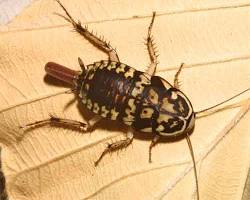
Yellow Spotted Roaches
Yellow Spotted Roaches is a common name often used to describe small yellowish-brown cockroaches with distinctive markings, most notably the German Cockroach (Blattella germanica). In some regions, the name may also be applied to outdoor species such as the Spotted Mediterranean Cockroach (Ectobius pallidus). However, when discussing serious pest problems in homes, restaurants, apartments, and commercial buildings, the German Cockroach is by far the most significant species.
German Cockroaches are considered one of the most troublesome structural pests worldwide. They contaminate food, spread bacteria, trigger allergies and asthma, and reproduce at an astonishing rate. Their ability to hide in tiny cracks and survive in close association with humans makes them difficult to eliminate once established.
Unlike many outdoor cockroach species that occasionally wander indoors, German Cockroaches are almost entirely dependent on human environments. Their populations thrive anywhere food, water, warmth, and shelter are readily available.
Taxonomy and Classification
- Kingdom: Animalia
- Phylum: Arthropoda
- Class: Insecta
- Order: Blattodea
- Family: Ectobiidae
- Genus: Blattella
- Species: Blattella germanica
Cockroaches are ancient insects that have existed for hundreds of millions of years. German Cockroaches have evolved alongside humans and are now among the most successful urban pests on Earth.
Identification
Yellow Spotted Roaches are relatively small compared to American or Oriental cockroaches.
- Length: 10–15 mm.
- Color: Light yellowish-brown to tan.
- Markings: Two dark parallel stripes running from the head down the pronotum.
- Body Shape: Flattened and oval.
- Wings: Fully developed but rarely used for sustained flight.
- Movement: Extremely fast runners.
Nymphs resemble adults but are smaller, darker, and wingless. Newly hatched nymphs are almost black with a lighter stripe running down the back.
Distribution and Habitat
German Cockroaches are found worldwide and are closely associated with human structures.
Common infestation sites include:
- Kitchens
- Restaurants
- Apartments
- Hotels
- Hospitals
- Food processing facilities
- Grocery stores
- Dormitories
- Office break rooms
Within structures, they prefer warm, humid areas near food and water sources.
Typical hiding places include:
- Behind refrigerators
- Under sinks
- Inside cabinets
- Behind dishwashers
- Inside wall voids
- Around plumbing penetrations
- Under stoves and ovens
Life Cycle
German Cockroaches undergo simple metamorphosis consisting of three stages:
- Egg
- Nymph
- Adult
One of the reasons German Cockroaches are so successful is their reproductive capacity.
The female carries her egg capsule, known as an ootheca, until shortly before the eggs hatch.
- Each ootheca may contain 30–50 eggs.
- A female may produce multiple egg cases during her lifetime.
- Development from egg to adult may occur in as little as two to four months.
Under ideal conditions, populations can grow exponentially within a short period.
Behavior
German Cockroaches are primarily nocturnal.
During the day they hide in cracks, crevices, and protected spaces. At night they emerge to search for:
- Food
- Water
- Mates
- Shelter
Because they prefer tight spaces, they are often found in areas where their bodies can touch surfaces above and below simultaneously.
Public Health Importance
German Cockroaches are among the most important public health pests worldwide.
Food Contamination
As they move through unsanitary environments, they contaminate food and food preparation surfaces with:
- Bacteria
- Fecal material
- Saliva
- Body fragments
They have been associated with numerous disease-causing organisms.
Allergies and Asthma
Cockroach allergens are a major concern in homes and apartments.
Proteins found in:
- Droppings
- Cast skins
- Saliva
- Dead insects
can trigger allergic reactions and asthma attacks, particularly in children.
Odor Production
Large infestations often produce a strong, unpleasant odor.
This oily, musty smell comes from secretions and accumulated waste materials and becomes increasingly noticeable as populations grow.
Signs of Infestation
Several indicators may suggest a German Cockroach infestation.
- Live Cockroaches: Especially visible at night.
- Fecal Spots: Small black specks resembling pepper.
- Smear Marks: Dark streaks along walls and corners.
- Egg Cases: Brown capsule-shaped oothecae.
- Cast Skins: Shed exoskeletons from growing nymphs.
- Strong Odor: Musty, oily smell.
Seeing cockroaches during the day often indicates a large population.
Damage and Economic Importance
Although German Cockroaches do not damage structures directly like termites, they create substantial economic losses.
- Food contamination.
- Restaurant closures.
- Health code violations.
- Product recalls.
- Pest control expenses.
- Property reputation damage.
Businesses in the food industry can suffer significant financial consequences from infestations.
Management and Prevention
Successful control requires a comprehensive Integrated Pest Management (IPM) approach.
Sanitation
Sanitation is the foundation of cockroach management.
- Clean food spills immediately.
- Store food in sealed containers.
- Remove garbage regularly.
- Reduce clutter.
- Clean grease buildup.
Eliminating food sources reduces population growth.
Moisture Control
- Repair leaking pipes.
- Fix dripping faucets.
- Reduce condensation.
- Improve ventilation.
German Cockroaches require water and often concentrate near moisture sources.
Exclusion
- Seal cracks and crevices.
- Repair damaged caulking.
- Seal utility penetrations.
- Close wall void openings.
Reducing hiding places improves treatment effectiveness.
Baiting Programs
Modern gel baits are among the most effective control tools.
- Slow-acting formulations.
- Transfer effects within colonies.
- Reduced pesticide exposure.
- Targeted application.
Insect Growth Regulators (IGRs)
IGRs disrupt cockroach development and reproduction.
These products help prevent immature cockroaches from reaching adulthood.
Resistance Challenges
German Cockroaches are famous for developing insecticide resistance.
Many populations have evolved resistance to multiple pesticide classes, making professional treatment programs necessary in severe infestations.
Rotating active ingredients and combining treatment methods is often required for long-term control.
Natural Enemies
Although predators exist in nature, natural biological control plays little role indoors.
Potential predators include:
- Spiders
- Centipedes
- Certain beetles
- Parasitic wasps
These predators rarely provide meaningful control within structures.
Conservation and Research
German Cockroaches are among the most heavily studied urban pests in the world. Research focuses on insecticide resistance, improved bait technologies, allergen reduction, population monitoring, and sustainable pest management strategies. Scientists continue to investigate new control methods that reduce pesticide use while maintaining effective suppression.
Because of their rapid reproduction, health risks, contamination potential, and ability to thrive in human environments, Yellow Spotted Roaches remain one of the most significant structural pests worldwide. Effective sanitation, monitoring, exclusion, and targeted baiting programs remain the cornerstone of successful management.