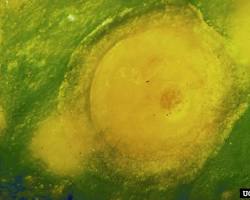
Yellow Scale Insects
Yellow Scale Insects (Aonidiella citrina) are destructive armored scale insects that primarily attack citrus trees and a variety of ornamental plants. These tiny sap-feeding pests are closely related to other economically important armored scales and are particularly problematic in warm climates where citrus production is common. Although small in size, Yellow Scale Insects can cause significant reductions in tree vigor, fruit quality, and overall productivity when infestations become severe.
The insects feed by inserting needle-like mouthparts into plant tissues and extracting sap from leaves, stems, twigs, and fruit. This feeding activity causes yellow spotting, chlorosis, leaf drop, twig dieback, and reduced fruit quality. Heavy infestations can weaken trees over time, making them more susceptible to environmental stress and secondary pests.
Unlike soft scale insects, Yellow Scale Insects do not produce honeydew. Instead, they are protected beneath a hard waxy covering that shields them from predators, weather, and many conventional insecticides. This protective armor makes them one of the more challenging scale pests to manage in citrus orchards and ornamental landscapes.
Taxonomy and Classification
Yellow Scale Insects belong to a specialized group of sap-feeding insects known as armored scales.
- Kingdom: Animalia
- Phylum: Arthropoda
- Class: Insecta
- Order: Hemiptera
- Family: Diaspididae
- Species: Aonidiella citrina
The Diaspididae family contains hundreds of armored scale species, many of which are serious agricultural pests. Yellow Scale is particularly important in citrus-growing regions because of its ability to infest fruit and reduce market value.
Identification
Yellow Scale Insects are extremely small and often go unnoticed until populations become well established.
Adult Females
- Diameter: 1–3 mm.
- Shape: Circular to slightly oval.
- Color: Yellow, yellow-brown, or pale orange.
- Covering: Hard waxy armor separate from the insect’s body.
- Mobility: Immobile after settling.
The female remains permanently attached to the feeding site beneath her protective scale covering.
Adult Males
- Smaller than females.
- Elongated scale covering.
- Winged as adults.
- Short-lived.
Adult males exist primarily for reproduction and do not contribute significantly to plant damage.
Crawlers
- Tiny yellow mobile stage.
- Actively disperses across the plant.
- Most vulnerable stage to treatment.
The crawler stage is critical because it is the only highly mobile phase of the life cycle.
Distribution and Habitat
Yellow Scale Insects are found throughout tropical, subtropical, and warm temperate regions worldwide.
Common habitats include:
- Citrus orchards
- Home citrus plantings
- Nurseries
- Ornamental landscapes
- Greenhouses
- Urban plantings
Warm temperatures and dense foliage create ideal conditions for scale development and reproduction.
Host Plants
Although citrus is the preferred host, Yellow Scale can attack numerous woody plants.
Common hosts include:
- Orange trees
- Lemon trees
- Lime trees
- Grapefruit trees
- Mandarins
- Oleander
- Various ornamental shrubs
- Landscape trees
Infestations are most commonly observed on citrus fruit and foliage.
Life Cycle
Yellow Scale Insects undergo simple metamorphosis.
- Egg Stage: Eggs develop beneath the female’s protective scale.
- Crawler Stage: Newly hatched crawlers move across the plant seeking feeding sites.
- Settling Stage: The crawler inserts its mouthparts and begins feeding.
- Adult Stage: Females become permanently attached and continue feeding for the remainder of their lives.
Several overlapping generations may occur each year in warm climates.
Feeding Behavior
Yellow Scale Insects feed by extracting sap from plant tissues.
They commonly infest:
- Leaves
- Twigs
- Branches
- Fruit surfaces
- Young stems
Large infestations can contain thousands of feeding insects on a single tree.
Damage and Economic Importance
Yellow Scale causes both direct and indirect damage to host plants.
Leaf Damage
- Yellow spotting.
- Chlorosis.
- Reduced photosynthesis.
- Premature leaf drop.
The characteristic yellow spots often appear around individual feeding sites.
Fruit Damage
- Discoloration.
- Surface blemishes.
- Reduced marketability.
- Downgraded fruit quality.
Even minor infestations can significantly reduce the commercial value of citrus fruit.
Twig and Branch Damage
- Twig dieback.
- Reduced growth.
- Branch weakening.
- Canopy thinning.
Chronic infestations may gradually weaken entire trees.
Tree Stress
- Reduced vigor.
- Lower fruit production.
- Poor growth.
- Greater susceptibility to environmental stress.
Young trees are especially vulnerable to heavy infestations.
Behavior and Conflict
Several biological characteristics make Yellow Scale Insects difficult pests to control.
- Protective Armor: Hard wax covering shields the insect.
- Sessile Lifestyle: Adults remain fixed in place.
- Hidden Feeding: Often infest concealed areas of the canopy.
- Rapid Reproduction: Multiple generations annually.
- Fruit Infestation: Directly impacts market quality.
The armored covering is one of the primary reasons infestations persist despite treatment attempts.
Monitoring and Detection
Regular inspection is essential for early detection.
- Inspect fruit surfaces.
- Check undersides of leaves.
- Monitor twigs and branches.
- Look for yellow spotting.
- Identify crawler activity.
Early intervention greatly improves management success.
Management and Prevention
Integrated Pest Management (IPM) provides the most effective long-term control strategy.
Biological Control
- Parasitic wasps.
- Predatory lady beetles.
- Natural enemies of armored scales.
Biological control programs have proven highly successful in many citrus-growing regions.
Horticultural Oils
- Smother scales.
- Reduce crawler survival.
- Minimize disruption to beneficial insects.
Applications are most effective when timed to coincide with crawler emergence.
Cultural Controls
- Prune heavily infested branches.
- Improve air circulation.
- Maintain tree health.
- Monitor regularly.
Healthy trees are generally more tolerant of scale infestations.
Chemical Control
- Target crawler stages.
- Use selective insecticides when necessary.
- Coordinate treatments with monitoring programs.
Treatments directed at adult scales are often less effective because of the protective armor.
Natural Enemies
Several beneficial insects help suppress Yellow Scale populations.
- Parasitic wasps.
- Lady beetles.
- Lacewings.
- Predatory beetles.
Conserving these natural enemies is a key component of successful scale management.
Conservation and Research
Research involving Yellow Scale Insects focuses on biological control, crawler monitoring techniques, improved horticultural oil formulations, and integrated pest management programs for citrus production. Scientists continue refining methods that balance effective control with conservation of beneficial insects, particularly parasitic wasps that naturally regulate scale populations.
Although tiny and often overlooked, Yellow Scale Insects can significantly impact citrus production and ornamental plant health. Their armored bodies, concealed feeding habits, and ability to reduce fruit quality make them important pests wherever citrus and susceptible ornamental plants are grown.