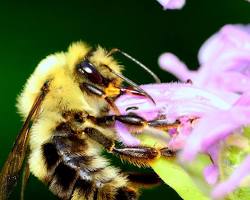
Yellow-Fronted Flower Flies are beneficial insects belonging to the hover fly family Syrphidae. These remarkable flies are often mistaken for bees or wasps because of their yellow and black coloration, but they are completely harmless and incapable of stinging. As important pollinators and natural predators of many garden pests, Yellow-Fronted Flower Flies play a valuable role in maintaining healthy ecosystems, agricultural crops, and ornamental landscapes.
Like many hover flies, Yellow-Fronted Flower Flies are best known for their unique ability to hover motionless in the air before darting rapidly between flowers. Adults feed primarily on nectar and pollen, making them excellent pollinators of both wild plants and cultivated crops. Their larvae are equally important, with many species feeding on aphids and other soft-bodied insects that damage garden and agricultural plants.
Because of their dual role as pollinators and biological control agents, Yellow-Fronted Flower Flies are widely regarded as beneficial insects that should be encouraged rather than controlled.
Taxonomy and Classification
Yellow-Fronted Flower Flies belong to one of the largest and most diverse families of true flies.
- Kingdom: Animalia
- Phylum: Arthropoda
- Class: Insecta
- Order: Diptera
- Family: Syrphidae
- Common Group: Hover Flies or Flower Flies
The Syrphidae family contains more than 6,000 species worldwide. Many members of this family mimic bees and wasps as a form of protective camouflage known as Batesian mimicry.
Identification
Yellow-Fronted Flower Flies can often be identified by their colorful markings and hovering behavior.
Adults
- Length: 6–15 mm.
- Color: Yellow and black markings.
- Body Shape: Slender to moderately robust.
- Eyes: Large compound eyes covering much of the head.
- Antennae: Short and inconspicuous.
- Wings: One pair of clear wings.
The yellow markings on the face and front of the head often give the species its common name.
Larvae
- Legless and maggot-like.
- Pale green, cream, or translucent.
- Tapered toward the head.
- Move slowly across plant surfaces.
Because larvae lack legs and resemble small slugs, they are often overlooked by gardeners.
Distribution and Habitat
Yellow-Fronted Flower Flies are widely distributed throughout North America and can be found in many habitats where flowering plants are abundant.
Common habitats include:
- Home gardens
- Parks
- Wildflower meadows
- Agricultural fields
- Orchards
- Prairies
- Forest edges
- Urban landscapes
They are particularly abundant during spring and summer when flowers are actively blooming.
Life Cycle
Yellow-Fronted Flower Flies undergo complete metamorphosis.
- Egg Stage: Females lay eggs near aphid colonies or flowering plants.
- Larval Stage: Larvae hatch and begin feeding on aphids or other small insects.
- Pupal Stage: The larva forms a protective puparium.
- Adult Stage: Adults emerge and begin feeding on nectar and pollen.
Several generations may occur annually depending on environmental conditions.
Behavior
One of the most distinctive characteristics of Yellow-Fronted Flower Flies is their remarkable flight ability.
- Hover motionless in the air.
- Fly backward and sideways.
- Quickly maneuver between flowers.
- Remain active during daylight hours.
Their hovering behavior often causes people to mistake them for small bees.
Pollination Benefits
Adult Yellow-Fronted Flower Flies are important pollinators.
While feeding on nectar and pollen, they transfer pollen between flowers and help plants reproduce.
Plants commonly visited include:
- Wildflowers
- Fruit trees
- Vegetables
- Herbs
- Native flowering plants
- Ornamental flowers
In some ecosystems, hover flies rank among the most important pollinators after bees.
Natural Pest Control
The larvae of many Yellow-Fronted Flower Fly species are highly beneficial predators.
Common prey include:
- Aphids
- Whiteflies
- Scale insects
- Small caterpillars
- Plant-feeding mites
A single hover fly larva can consume dozens or even hundreds of aphids during its development.
Importance in Agriculture
Yellow-Fronted Flower Flies provide significant economic benefits to growers.
Pollination Services
- Improved fruit set.
- Enhanced seed production.
- Better crop yields.
Biological Control
- Reduced aphid populations.
- Lower pesticide requirements.
- Natural pest suppression.
The combination of pollination and pest control makes these insects especially valuable in sustainable agriculture.
Relationship with Humans
Yellow-Fronted Flower Flies are completely harmless to people.
- Do not sting.
- Do not bite.
- Do not damage structures.
- Do not infest homes.
Their resemblance to bees and wasps often causes unnecessary concern, but they pose no threat to humans or pets.
Behavior and Ecological Importance
Several characteristics make Yellow-Fronted Flower Flies beneficial components of healthy ecosystems.
- Pollination: Visit a wide variety of flowers.
- Biological Control: Larvae consume agricultural pests.
- Biodiversity Support: Contribute to ecosystem stability.
- Food Source: Serve as prey for birds and beneficial insects.
Their presence is generally considered a sign of a healthy environment.
How to Attract Yellow-Fronted Flower Flies
Gardeners can encourage populations by providing suitable habitat.
- Plant nectar-rich flowers.
- Grow native flowering plants.
- Reduce pesticide use.
- Provide continuous blooms throughout the season.
- Maintain diverse plantings.
Flowering herbs such as dill, fennel, cilantro, and parsley are particularly attractive to hover flies.
Management and Prevention
No management or prevention measures are necessary because Yellow-Fronted Flower Flies are beneficial insects.
Protection
- Avoid broad-spectrum insecticides.
- Preserve flowering habitats.
- Encourage natural biodiversity.
Protecting hover flies often results in improved pollination and reduced pest problems.
Conservation and Research
Research involving Yellow-Fronted Flower Flies focuses on their role as pollinators, biological control agents, and indicators of ecosystem health. Scientists continue studying ways to enhance hover fly populations in agricultural systems as sustainable alternatives to chemical pest management.
As concerns about pollinator decline continue to grow, hover flies are receiving increasing attention for their ability to support crop production and biodiversity. Their unique combination of pollination services and natural pest control makes them among the most valuable beneficial insects found in gardens, farms, and natural habitats.