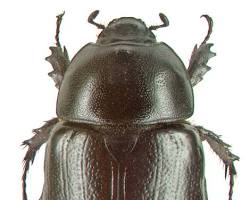
Yam Beetles
Yam Beetles are among the most destructive insect pests affecting yam production throughout tropical regions of Africa, the Caribbean, and parts of Asia. The name generally refers to several beetle species that attack yam plants, particularly the tubers and foliage. The most economically important species belong to groups of scarab beetles and leaf beetles that feed directly on the plant and reduce both crop quality and yield.
Yams (Dioscorea species) are an important staple food crop for millions of people worldwide. Because the harvested tuber is the primary edible portion of the plant, any damage to the underground storage organ can significantly reduce market value and food security. Yam Beetles are especially problematic because they attack the tubers directly, boring large tunnels into the flesh and creating entry points for disease-causing organisms.
In addition to tuber-feeding species, several leaf-feeding beetles attack yam foliage, reducing photosynthesis and weakening plant growth. Together, these pests can significantly impact crop production and profitability, making them important agricultural pests in major yam-growing regions.
Taxonomy and Classification
The term “Yam Beetle” encompasses multiple beetle species from different families.
- Kingdom: Animalia
- Phylum: Arthropoda
- Class: Insecta
- Order: Coleoptera
Tuber-Feeding Yam Beetles
- Family: Scarabaeidae
- Common Genera: Prionoryctes spp.
Leaf-Feeding Yam Beetles
- Family: Chrysomelidae
- Common Genera: Crioceris spp. and related species
Both groups undergo complete metamorphosis consisting of egg, larva, pupa, and adult stages.
Identification
Yam Beetles vary considerably depending on the species involved.
Tuber-Feeding Yam Beetles
- Length: 10–20 mm.
- Color: Dark brown to black.
- Body: Robust and heavily armored.
- Appearance: Similar to small rhinoceros beetles or scarabs.
- Activity: Primarily active at night.
These beetles are responsible for the most economically significant damage because they attack developing tubers directly.
Leaf-Feeding Yam Beetles
- Length: 5–10 mm.
- Color: Yellow, orange, red, or metallic.
- Shape: Oval and compact.
- Behavior: Feed openly on leaves.
Leaf beetles are often easier to detect because they remain visible on the plant surface.
Larvae
- Cream-colored.
- Soft-bodied.
- Well-developed chewing mouthparts.
- Found in soil or on plant tissue depending on species.
Distribution and Habitat
Yam Beetles are primarily associated with tropical agricultural regions.
Major distribution areas include:
- West Africa
- Central Africa
- Caribbean islands
- Southeast Asia
- Pacific tropical regions
They are commonly found in:
- Commercial yam fields
- Smallholder farms
- Mixed crop systems
- Subsistence gardens
- Areas with abundant crop residue
Warm temperatures and moist soils create ideal conditions for beetle development.
Host Plants
Although yams are the primary hosts, some species may feed on related plants.
Common hosts include:
- White Yam (Dioscorea rotundata)
- Water Yam (Dioscorea alata)
- Yellow Yam (Dioscorea cayenensis)
- Other cultivated yam species
Young plants and developing tubers are especially vulnerable.
Life Cycle
Yam Beetles undergo complete metamorphosis.
- Egg Stage: Eggs are laid in soil near yam plants.
- Larval Stage: Larvae feed on roots, tubers, or plant tissue.
- Pupal Stage: Pupation occurs in the soil.
- Adult Stage: Adults emerge and continue feeding and reproduction.
Development rates vary according to species, temperature, and environmental conditions.
Feeding Behavior
Feeding habits differ significantly between tuber-feeding and leaf-feeding species.
Tuber Feeding
Adult beetles and larvae may attack underground yam tubers.
Damage includes:
- Deep tunnels.
- Large feeding cavities.
- Surface scars.
- Entry points for pathogens.
The feeding often continues throughout tuber development.
Leaf Feeding
Leaf beetles consume foliage and young plant tissue.
Common symptoms include:
- Shot-hole damage.
- Skeletonized leaves.
- Chewed margins.
- Reduced leaf area.
Heavy infestations can significantly reduce photosynthetic capacity.
Damage and Economic Importance
Yam Beetles are major agricultural pests because they directly affect the marketable portion of the crop.
Tuber Damage
- Large feeding tunnels.
- Reduced quality.
- Lower market value.
- Storage losses.
Damaged tubers are often rejected by buyers.
Disease Entry
- Fungal infections.
- Bacterial rot.
- Storage deterioration.
- Secondary pest infestations.
Tunnels create ideal entry points for disease organisms.
Foliage Damage
- Reduced photosynthesis.
- Plant stress.
- Slower growth.
- Smaller tubers.
Repeated leaf feeding can dramatically reduce overall productivity.
Yield Losses
- Reduced tuber size.
- Lower harvest weights.
- Poor storage performance.
- Economic losses.
Severe infestations can significantly impact farm income.
Behavior and Conflict
Several characteristics make Yam Beetles difficult pests to manage.
- Underground Feeding: Damage often remains hidden until harvest.
- Disease Introduction: Feeding wounds promote rot.
- Nocturnal Activity: Adults are often active at night.
- Multiple Feeding Sites: Both foliage and tubers may be attacked.
- Persistence: Populations can survive in crop residues and soil.
The hidden nature of tuber damage often delays detection until significant losses have already occurred.
Monitoring and Detection
Regular field inspections help identify infestations early.
- Monitor adult beetles.
- Inspect leaves for feeding damage.
- Examine tubers during harvest.
- Look for frass near plant bases.
- Watch for reduced plant vigor.
Early detection is essential for minimizing crop losses.
Management and Prevention
Integrated Pest Management (IPM) provides the most effective control strategy.
Cultural Controls
- Crop rotation.
- Field sanitation.
- Removal of infested tubers.
- Destruction of crop residues.
Breaking the pest life cycle is one of the most effective long-term management approaches.
Soil Management
- Proper field preparation.
- Improved drainage.
- Deep cultivation when appropriate.
These practices can reduce survival of immature stages.
Biological Control
- Predatory beetles.
- Entomopathogenic fungi.
- Beneficial nematodes.
- Natural predators.
Biological control options continue to receive increased research attention.
Chemical Control
- Targeted soil treatments.
- Monitoring-based applications.
- Protection of young plants.
Applications are generally most effective when directed toward vulnerable stages of the life cycle.
Natural Enemies
Several natural organisms help suppress Yam Beetle populations.
- Ground beetles.
- Predatory ants.
- Parasitic insects.
- Birds.
- Beneficial soil organisms.
Conservation of natural enemies can contribute to sustainable pest management.
Conservation and Research
Research involving Yam Beetles focuses on resistant yam varieties, improved crop rotation systems, biological control agents, and environmentally sustainable management strategies. Scientists continue investigating integrated pest management programs suitable for both commercial production systems and smallholder farms, particularly in regions where yams are essential food crops.
Because they directly damage the harvested tubers and reduce overall crop productivity, Yam Beetles remain among the most important pests affecting yam cultivation worldwide. Effective monitoring, sanitation, crop rotation, and integrated management practices are essential for protecting yields and maintaining healthy yam production systems.