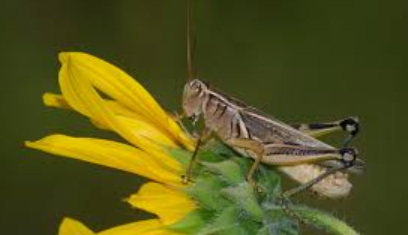
Xeric Habitat Grasshoppers are a diverse group of grasshopper species adapted to dry, arid, and semi-arid environments such as deserts, grasslands, scrublands, and rangelands. These insects have evolved specialized behaviors and physiological adaptations that allow them to survive in some of the harshest environments on Earth. While they are important components of desert ecosystems, population outbreaks can transform them into significant agricultural and landscape pests.
Found throughout the southwestern United States, parts of Mexico, Australia, Africa, and other dry regions, xeric grasshoppers are particularly successful because of their ability to conserve water, tolerate extreme temperatures, and feed on a wide range of plant species. During drought cycles and favorable breeding conditions, their populations can increase dramatically, leading to widespread defoliation of crops, native vegetation, and ornamental landscapes.
For farmers, ranchers, and homeowners in arid climates, xeric grasshopper outbreaks can result in substantial economic losses through reduced forage production, crop damage, and destruction of drought-tolerant landscaping plants.
Taxonomy and Classification
- Kingdom: Animalia
- Phylum: Arthropoda
- Class: Insecta
- Order: Orthoptera
- Family: Acrididae
- Common Groups: Band-winged Grasshoppers (Oedipodinae), Slant-faced Grasshoppers (Gomphocerinae)
Xeric habitat grasshoppers are not a single species but rather a collection of grasshopper species that have adapted to life in dry environments. Many belong to the family Acrididae, which includes some of the world’s most important agricultural pests.
Identification
Xeric grasshoppers vary considerably in appearance depending on species, but most share characteristics that help them blend into desert and grassland environments.
- Size: 15 mm to 50 mm long.
- Color: Gray, tan, brown, reddish-brown, or sandy-colored.
- Body: Robust with strong hind legs.
- Camouflage: Excellent cryptic coloration matching soil and vegetation.
- Wings: Well-developed wings for flight and migration.
Many species possess mottled patterns that make them nearly invisible against desert soils, rocks, and dry vegetation.
Band-Winged Species
Several xeric grasshopper species display brightly colored hind wings.
- Yellow hind wings.
- Orange hind wings.
- Blue hind wings.
- Red hind wings.
These colors remain hidden when the insect is at rest but become visible during flight, startling predators and aiding escape.
Distribution and Habitat
Xeric Habitat Grasshoppers occur throughout dry regions worldwide.
Common habitats include:
- Deserts
- Semi-arid grasslands
- Shrublands
- Rangelands
- Dry agricultural fields
- Roadsides
- Open scrublands
- Disturbed landscapes
In the United States, they are particularly abundant throughout Arizona, New Mexico, Nevada, Utah, Colorado, and parts of Texas and California.
Life Cycle
Xeric grasshoppers undergo simple metamorphosis.
- Egg Stage: Eggs are deposited in soil during late summer or fall.
- Nymph Stage: Young grasshoppers hatch in spring and begin feeding immediately.
- Molting Stage: Nymphs pass through multiple developmental stages.
- Adult Stage: Winged adults emerge, reproduce, and continue feeding.
Most species produce one generation annually, although environmental conditions can influence development rates.
Adaptations to Arid Environments
Xeric grasshoppers possess numerous adaptations that allow survival in harsh desert conditions.
Water Conservation
- Efficient excretory systems.
- Reduced water loss.
- Protective body coverings.
- Behavioral water conservation.
These adaptations help them survive prolonged dry periods.
Temperature Management
- Seeking shade during extreme heat.
- Feeding during cooler hours.
- Using body orientation to regulate temperature.
- Burrowing into soil for protection.
Behavioral thermoregulation is essential for survival in desert ecosystems.
Damage and Economic Importance
Xeric Habitat Grasshoppers become problematic when populations reach outbreak levels.
Crop Damage
Grasshoppers feed on many agricultural crops.
- Alfalfa.
- Corn.
- Sorghum.
- Vegetables.
- Small grains.
- Fruit crops.
Heavy feeding can significantly reduce yields and crop quality.
Rangeland Losses
In western rangelands, grasshopper outbreaks can devastate forage resources.
- Consumption of native grasses.
- Competition with livestock.
- Reduced forage availability.
- Habitat degradation.
Large infestations may consume substantial portions of available vegetation.
Landscape Damage
Homeowners frequently experience damage to ornamental plants.
- Defoliation of shrubs.
- Flower destruction.
- Damage to xeriscape plants.
- Scarring of succulents.
Agaves, yuccas, and drought-tolerant ornamentals are often targeted during outbreaks.
Signs of Infestation
Several indicators suggest elevated grasshopper populations.
- Chewed leaves.
- Missing foliage.
- Skeletonized plants.
- Visible swarms.
- Large numbers of nymphs.
- Declining vegetation.
Regular monitoring helps identify problems before severe damage occurs.
Behavior and Ecology
Xeric grasshoppers play important ecological roles despite their pest status during outbreaks.
- Serve as prey for birds.
- Support reptile populations.
- Provide food for mammals.
- Influence plant community composition.
Under normal population levels, they contribute to healthy ecosystem function.
Management and Prevention
Integrated pest management provides the most effective control.
Monitoring
- Survey vegetation regularly.
- Count nymph populations.
- Track outbreak trends.
- Inspect vulnerable crops.
Early detection significantly improves management success.
Biological Control
- Encourage birds.
- Protect predatory insects.
- Promote natural pathogens.
- Use biological baits where appropriate.
Natural enemies help suppress developing populations.
Habitat Management
- Control weeds.
- Reduce breeding sites.
- Manage field borders.
- Maintain healthy vegetation.
Proper habitat management reduces favorable conditions for population growth.
Chemical Control
In severe outbreaks, insecticides may be necessary.
- Treat early nymph stages.
- Target outbreak areas.
- Follow label directions.
- Minimize non-target impacts.
Treatments are most effective before adults develop fully functional wings.
Research and Future Management
Researchers continue studying xeric grasshoppers to better understand outbreak dynamics, climate influences, and sustainable control methods. Current efforts focus on biological control agents, improved monitoring techniques, and predictive models that help forecast population explosions before significant damage occurs.
Climate change and prolonged drought conditions may influence future grasshopper distribution and outbreak frequency, making ongoing research increasingly important.
Conclusion
Xeric Habitat Grasshoppers are highly adapted insects that thrive in dry environments throughout the world. Although they serve important ecological functions, population outbreaks can result in severe agricultural, rangeland, and landscape damage. Effective management relies on monitoring, biological control, habitat modification, and integrated pest management strategies that address populations before they reach destructive levels.