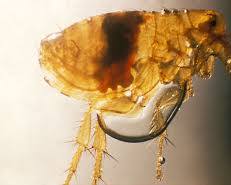
Xenopsylla Fleas (Xenopsylla cheopis), commonly known as the Oriental Rat Flea, are among the most historically significant insect pests in human civilization. These tiny blood-feeding parasites are infamous as the primary biological vector of Bubonic Plague, also known as the Black Death, caused by the bacterium Yersinia pestis. Throughout history, plague epidemics transmitted by infected fleas and rats caused millions of human deaths across Europe, Asia, and Africa.
Although modern sanitation and public health systems have dramatically reduced plague outbreaks, Xenopsylla Fleas remain important public health pests worldwide. They continue to transmit diseases between rodents and humans in certain rural and urban regions and are closely monitored in plague-endemic areas.
These fleas primarily parasitize rats, especially the black rat (Rattus rattus) and Norway rat (Rattus norvegicus). When infected rodent hosts die, hungry fleas seek alternative hosts, including humans and domestic animals. This host-switching behavior is the primary mechanism behind plague transmission.
Quick Facts
- Scientific Name: Xenopsylla cheopis
- Common Name: Oriental Rat Flea
- Order: Siphonaptera
- Main Conflict: Disease transmission
- Primary Hosts: Rats and rodents
- Vector Diseases: Bubonic plague, murine typhus
- Habitat: Rodent nests, urban environments
- Status: Critical public health pest
Taxonomy and Classification
Xenopsylla Fleas belong to the order Siphonaptera, the group containing all true fleas. They are wingless external parasites specialized for blood feeding on mammals and birds.
The Oriental Rat Flea belongs to the family Pulicidae and is one of the most medically important flea species in the world. Unlike cat fleas or dog fleas, Xenopsylla species are strongly associated with rodents and rodent nesting environments.
These fleas undergo complete metamorphosis consisting of:
- Egg
- Larva
- Pupa
- Adult
Most stages of the life cycle occur within rodent nests, bedding, debris, and protected harborages where organic material accumulates.
Physical Description
Adult Xenopsylla Fleas are tiny insects measuring approximately 1.5–2.5 mm long.
Adult Appearance
- Dark reddish-brown coloration
- Wingless body
- Laterally flattened shape
- Powerful jumping hind legs
- Piercing-sucking mouthparts
Unlike cat and dog fleas, Oriental Rat Fleas lack the comb-like structures known as ctenidia found on many other flea species.
Movement and Jumping
Fleas are exceptional jumpers, capable of leaping many times their body length. Their enlarged hind legs allow them to move rapidly between hosts and nesting areas.
Larvae
Larvae are:
- Small and worm-like
- Pale white or cream-colored
- Legless
- Found in rodent nests
Larvae feed on organic debris, flea feces, skin particles, and other materials found within nesting environments.
Distribution and Habitat
Xenopsylla Fleas are cosmopolitan and occur worldwide, especially in regions with dense rodent populations and poor sanitation.
Common habitats include:
- Rat nests
- Urban alleys
- Ports and warehouses
- Sewers
- Animal bedding
- Stored debris
- Rural rodent burrows
The fleas thrive in warm, humid environments where rodent populations remain stable and food resources are abundant.
Historically, ports and trading centers played major roles in spreading infected rats and fleas across continents aboard ships.
Behavior and Conflict
The primary conflict associated with Xenopsylla Fleas is their role as vectors of dangerous human diseases.
Blood Feeding
Adult fleas feed by piercing the skin and sucking blood from their host. They typically prefer rats but will feed on humans, pets, and other mammals when rodent hosts become unavailable.
Plague Transmission
The most infamous disease associated with Xenopsylla Fleas is Bubonic Plague.
Transmission occurs when:
- A flea feeds on an infected rodent
- The bacteria multiply inside the flea
- The flea’s digestive tract becomes blocked
- The starving flea repeatedly attempts to feed
- Infected material is regurgitated into the bite wound
This mechanism efficiently transfers Yersinia pestis bacteria into new hosts.
Murine Typhus
Xenopsylla Fleas are also important vectors of Murine Typhus, caused by Rickettsia typhi. This disease produces symptoms including:
- Fever
- Headache
- Rash
- Body aches
- Fatigue
Host Switching
One of the most dangerous behaviors of Oriental Rat Fleas occurs when infected rats die. Fleas abandon the dead rodent and aggressively seek new blood meals from nearby animals or humans.
This sudden host-switching behavior has historically fueled plague epidemics.
Life Cycle
Egg Stage
Females lay eggs within rodent nests, bedding, and debris.
Larval Stage
Larvae feed on organic matter and flea feces rich in partially digested blood.
Pupal Stage
Pupae develop inside protective silk cocoons that may remain dormant for extended periods under unfavorable conditions.
Adult Stage
Adults emerge when vibrations, heat, or carbon dioxide signals indicate the presence of nearby hosts.
Under ideal conditions, the life cycle can be completed rapidly, allowing flea populations to increase quickly in rodent-infested environments.
Management and Prevention
Management focuses on integrated rodent and flea control.
Rodent Control
Reducing rodent populations is essential for preventing flea infestations.
- Seal structural entry points
- Remove food sources
- Maintain sanitation
- Use trapping programs
- Reduce clutter and debris
Rodent management should always occur alongside flea control measures.
Flea Control
Residual insecticides may be applied in:
- Rodent harborages
- Burrows
- Wall voids
- Storage areas
- Infested structures
Treating fleas before large-scale rodent removal is critical because displaced fleas may seek human hosts after rats die.
Environmental Sanitation
Improving sanitation greatly reduces both rodents and fleas.
- Remove garbage promptly
- Eliminate nesting materials
- Store food securely
- Maintain dry conditions
- Reduce standing debris
Public Health Monitoring
Health agencies routinely monitor flea and rodent populations in plague-endemic regions to detect disease activity early.
Historical Importance
Xenopsylla Fleas are historically associated with the Black Death, one of the deadliest pandemics in recorded history.
During the 14th century, plague outbreaks killed tens of millions of people across Europe, Asia, and Africa. Trade routes, ships, and expanding urban rat populations helped spread infected fleas rapidly between regions.
Even today, plague remains present in some wild rodent populations in parts of Africa, Asia, and the western United States.
Interesting Facts About Xenopsylla Fleas
- They are considered the most important plague vector in history.
- Fleas can survive for weeks without feeding.
- They lack the comb structures seen on cat fleas.
- Rodent deaths often trigger increased human biting.
- Their jumping ability far exceeds their body size.
Conservation and Research
Research on Xenopsylla Fleas focuses heavily on disease ecology, insecticide resistance, and monitoring plague reservoirs in wild rodent populations.
Scientists continue studying:
- Plague transmission cycles
- Flea population dynamics
- Rodent-flea interactions
- Climate effects on outbreaks
- Resistance to insecticides
- Public health prevention strategies
Modern plague surveillance remains an important part of global infectious disease monitoring programs.