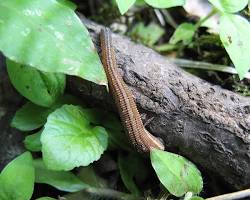
Xenorhabdus Nematodes is a term commonly used to describe the beneficial partnership between bacteria of the genus Xenorhabdus and entomopathogenic nematodes of the genus Steinernema. Although the bacteria themselves are microscopic organisms, they play a critical role in one of nature’s most effective biological pest control systems. Together, the nematodes and bacteria attack and kill a wide range of destructive soil-dwelling insect pests.
Unlike traditional pests that damage crops, landscapes, or structures, Xenorhabdus-associated nematodes are considered highly beneficial organisms. They are widely used in agriculture, horticulture, turf management, greenhouses, and home gardens to control insect larvae without harming humans, pets, wildlife, or plants.
This remarkable symbiotic relationship has become an important component of Integrated Pest Management (IPM) programs worldwide.
Taxonomy and Classification
- Kingdom: Bacteria
- Phylum: Proteobacteria
- Class: Gammaproteobacteria
- Order: Enterobacterales
- Family: Morganellaceae
- Genus: Xenorhabdus
The bacteria live exclusively within nematodes belonging primarily to the genus Steinernema. Neither organism can efficiently complete its life cycle without the other, making their relationship one of the most fascinating examples of biological symbiosis in nature.
Identification
The bacteria themselves are invisible without laboratory equipment. Most observations focus on the nematodes that carry them.
- Nematode Size: 0.5–1.0 mm long.
- Color: Transparent.
- Body Shape: Slender, worm-like.
- Visibility: Barely visible to the naked eye.
When an infected insect dies, its body often changes color due to bacterial activity.
- Reddish-brown coloration.
- Darkened body tissues.
- Rapid decomposition.
- Absence of foul odors common in other insect deaths.
Distribution and Habitat
Xenorhabdus bacteria and their nematode partners occur naturally in soils throughout much of the world.
Common habitats include:
- Agricultural fields
- Gardens
- Lawns
- Forests
- Pastures
- Greenhouses
- Nurseries
They thrive in moist soils where susceptible insect hosts are present.
Life Cycle and Symbiotic Relationship
The life cycle of Xenorhabdus-associated nematodes is unique and highly specialized.
- Host Seeking: Infective juvenile nematodes actively search for insect hosts.
- Host Entry: The nematodes enter insects through natural openings such as the mouth, spiracles, or anus.
- Bacterial Release: Once inside the insect’s body cavity, the nematodes release their symbiotic Xenorhabdus bacteria.
- Host Death: The bacteria multiply rapidly and kill the insect within 24–48 hours.
- Reproduction: The nematodes reproduce within the dead insect.
- Dispersal: New infective juveniles emerge carrying the bacteria and seek additional hosts.
This highly efficient system allows both organisms to survive and spread while providing excellent suppression of pest populations.
Target Pests
Xenorhabdus-associated nematodes are used against numerous soil-dwelling insect pests.
- White Grubs
- Cutworms
- Armyworms
- Wireworms
- Root Weevils
- Fungus Gnat Larvae
- Billbugs
- Black Vine Weevils
- Sod Webworms
- Corn Rootworms
Their effectiveness makes them valuable tools in both commercial and residential pest management programs.
Benefits and Economic Importance
Unlike conventional insecticides, Xenorhabdus nematodes provide targeted biological control.
Environmentally Friendly
- No toxic residues.
- Safe for pollinators.
- Minimal environmental impact.
- Compatible with organic gardening.
Target Specificity
- Attack insect pests.
- Do not harm plants.
- Safe around humans and pets.
- Little impact on beneficial wildlife.
Resistance Management
Because the bacteria and nematodes use biological mechanisms rather than chemical toxins, pests are less likely to develop resistance compared to conventional insecticides.
Signs of Activity
Successful biological control may be indicated by:
- Declining grub populations.
- Reduced turf damage.
- Fewer cutworms.
- Dead insect larvae in soil.
- Discolored insect cadavers.
Because the organisms work underground, their activity is often unnoticed until pest populations begin to decline.
Behavior and Conflict
The primary conflict associated with Xenorhabdus nematodes is entirely beneficial. Their purpose is to suppress destructive insect populations.
- Active Hunting: Nematodes seek out hosts.
- Rapid Mortality: Insects die within days.
- Self-Replicating: Populations increase naturally when hosts are abundant.
- Safe Application: No significant risk to humans or animals.
This makes them one of the most valuable biological control agents available today.
Application and Management
Successful use depends on proper environmental conditions.
Application Methods
- Soil drenching.
- Sprayer application.
- Irrigation systems.
- Greenhouse watering systems.
Moisture Requirements
- Keep soil moist before application.
- Water after treatment.
- Avoid drought conditions.
- Prevent soil from drying out immediately.
Environmental Considerations
- Apply during cooler periods.
- Avoid direct sunlight.
- Maintain adequate humidity.
- Follow storage recommendations.
Conservation and Research
Research continues to improve the effectiveness of Xenorhabdus-associated nematodes. Scientists are developing new strains with enhanced pest-finding abilities, greater environmental tolerance, and improved shelf life. Additional studies focus on expanding the range of target pests and integrating biological controls into sustainable agricultural systems.
As concerns about pesticide resistance and environmental impacts continue to grow, Xenorhabdus bacteria and their nematode partners are becoming increasingly important tools for managing soil-dwelling insect pests naturally and effectively.