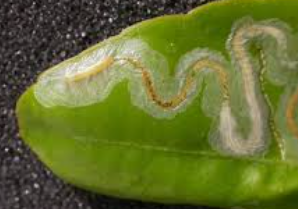
Xanthotype Leaf Miners are plant-feeding insects whose immature stages develop within leaf tissues, creating distinctive tunnels known as leaf mines. While the name is sometimes associated with species related to the genus Xanthotype, the term generally describes leaf-mining insects that produce visible serpentine or blotch-like feeding patterns within leaves. These pests are commonly encountered in gardens, nurseries, landscapes, and agricultural settings where they can reduce plant vigor and significantly diminish the appearance of ornamental plants. :contentReference[oaicite:0]{index=0}
Leaf miners are unique because the damaging larval stage remains protected inside the leaf. This concealed feeding habit makes them difficult to control with many conventional insecticides and allows infestations to go unnoticed until extensive damage has occurred.
Although most infestations are cosmetic, severe populations can reduce photosynthesis, weaken plants, cause premature leaf drop, and decrease crop quality.
Taxonomy and Classification
- Kingdom: Animalia
- Phylum: Arthropoda
- Class: Insecta
- Order: Various (Diptera, Lepidoptera, Coleoptera)
- Family: Multiple families contain leaf-mining species
- Associated Group: Xanthotype and related leaf-mining insects
Leaf-mining behavior has evolved independently in several insect groups. Depending on the species involved, leaf miners may be flies, moths, beetles, or sawflies. Xanthotype-associated species are often linked to moth larvae that begin development within leaves before transitioning to external feeding. :contentReference[oaicite:1]{index=1}
Identification
Xanthotype Leaf Miners are most easily identified by the damage they produce rather than by the insects themselves.
- Adult Appearance: Small moths or flies depending on species.
- Larvae: Small, pale, caterpillar-like or maggot-like insects.
- Mining Pattern: Serpentine or blotchy tunnels within leaf tissue.
- Leaf Damage: Transparent or discolored feeding trails.
- Advanced Damage: Skeletonization and leaf notching.
Adult Xanthotype moths are often recognized by their bright yellow wings marked with brown or purplish spots. Larvae, however, are the stage responsible for plant damage. :contentReference[oaicite:2]{index=2}
Distribution and Habitat
Xanthotype-related leaf miners occur throughout much of North America and Europe. They are particularly common in regions with abundant deciduous trees, shrubs, and herbaceous plants.
Common habitats include:
- Residential gardens
- Landscape plantings
- Nurseries
- Agricultural fields
- Woodland edges
- Meadows
- Parks
The larvae spend most of their development inside leaves, where they are protected from weather and many natural enemies. :contentReference[oaicite:3]{index=3}
Host Plants
Xanthotype Leaf Miners are generally considered polyphagous feeders, meaning they can utilize multiple plant species.
Reported hosts include:
- Dogwood
- Maple
- Currants
- Catnip
- Various ornamental shrubs
- Herbaceous garden plants
The exact host range varies depending on the species involved.
Life Cycle
Xanthotype Leaf Miners undergo complete metamorphosis.
- Egg Stage: Eggs are deposited on or within leaf tissues.
- Larval Stage: Newly hatched larvae enter the leaf and feed internally.
- Mining Phase: Tunnels expand as larvae consume mesophyll tissue.
- External Feeding: Older larvae may emerge and feed on leaf surfaces.
- Pupal Stage: Pupation occurs within leaves or nearby soil.
- Adult Stage: Moths emerge and reproduce.
Several generations may occur each year, particularly in warmer regions. :contentReference[oaicite:4]{index=4}
Damage and Economic Importance
The primary impact of Xanthotype Leaf Miners is the destruction of photosynthetic leaf tissue.
Leaf Mining
- Serpentine tunnels.
- Blotch-like mines.
- Discolored leaf tissue.
- Reduced photosynthesis.
Skeletonization
As larvae mature, some species transition to external feeding.
- Leaf notching.
- Skeletonized foliage.
- Large feeding scars.
Plant Stress
- Premature leaf drop.
- Reduced vigor.
- Slower growth.
- Lower ornamental quality.
Economic Impact
In commercial nurseries and ornamental plant production, heavily mined leaves may render plants unsellable due to cosmetic damage. Crop plants may experience reduced yields when infestations become severe. :contentReference[oaicite:5]{index=5}
Signs of Infestation
Common indicators include:
- Visible winding tunnels inside leaves.
- Brown or translucent blotches.
- Leaf discoloration.
- Premature leaf drop.
- Skeletonized foliage.
- Small larvae inside leaf tissue.
Early detection is critical because internal feeders are most vulnerable before mines become extensive.
Behavior and Conflict
The primary conflict associated with Xanthotype Leaf Miners is their concealed feeding behavior.
- Protected Feeding: Larvae remain hidden within leaves.
- Reduced Chemical Exposure: Contact insecticides often fail to reach larvae.
- Rapid Development: Multiple generations can build quickly.
- Aesthetic Damage: Visible mines reduce plant value.
Because the insects are protected by leaf tissues, infestations often continue unnoticed until substantial damage appears. :contentReference[oaicite:6]{index=6}
Management and Prevention
Integrated Pest Management (IPM) provides the most effective approach.
Sanitation
- Remove mined leaves.
- Destroy heavily infested foliage.
- Dispose of plant debris.
Monitoring
- Inspect foliage regularly.
- Check undersides of leaves.
- Monitor for early mines.
- Track seasonal activity.
Biological Control
- Protect parasitic wasps.
- Encourage beneficial insects.
- Avoid unnecessary insecticide use.
Braconid wasps and other parasitoids are important natural enemies that help suppress leaf miner populations. :contentReference[oaicite:7]{index=7}
Organic Treatments
- Neem oil applications.
- Insecticidal soaps.
- Targeted biological controls.
Ground Sanitation
- Remove fallen leaves.
- Reduce overwintering sites.
- Interrupt life cycles.
Conservation and Research
Researchers continue to study leaf miner biology, host preferences, and natural enemy relationships. Current research focuses on improving biological control programs, enhancing early detection methods, and reducing pesticide use through integrated pest management strategies.
Although Xanthotype Leaf Miners rarely kill healthy plants, their feeding can significantly reduce plant health and ornamental value. Proper monitoring, sanitation, and conservation of beneficial insects remain the most effective long-term management strategies. :contentReference[oaicite:8]{index=8}