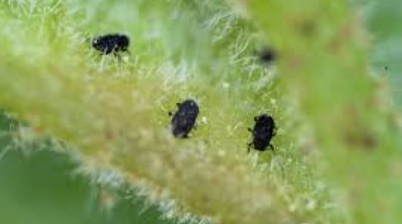
Xanthostemon Gall Insects
Xanthostemon Gall Insects are specialized plant-feeding insects that induce the formation of abnormal growths known as galls on members of the genus Xanthostemon. These tropical trees and shrubs, including the popular Golden Penda, are widely cultivated for their attractive foliage and vibrant flowers. Gall-forming insects manipulate plant hormones and growth processes, causing the host plant to produce protective structures that shelter and nourish developing larvae.
Although the insects themselves are often tiny and rarely seen, the galls they create can be highly visible. Heavy infestations may distort growth, reduce flowering, weaken branches, and diminish the ornamental value of landscape trees. In severe cases, repeated gall formation can contribute to branch dieback and long-term plant decline.
Because gall insects are protected inside plant tissue during much of their life cycle, they can be difficult to manage once infestations become established.
Taxonomy and Classification
- Kingdom: Animalia
- Phylum: Arthropoda
- Class: Insecta
- Orders: Diptera, Hemiptera, and others
- Common Groups: Gall Midges, Psyllids, Aphid Relatives
- Host Plant: Xanthostemon species
Xanthostemon Gall Insects are not a single species but rather a collection of highly specialized insects capable of manipulating plant tissues. Many belong to the family Cecidomyiidae (gall midges) or Psyllidae (jumping plant lice), both of which contain numerous gall-forming species.
Identification
The most recognizable feature of these pests is the gall itself.
- Stem Galls: Hard, woody swellings along branches and stems.
- Leaf Galls: Raised bumps, blisters, or pimple-like growths.
- Color: Fresh galls are often green, reddish, or pink.
- Mature Appearance: Older galls become gray, brown, or woody.
- Exit Holes: Tiny round holes where adult insects emerge.
The insects inside are usually microscopic larvae or nymphs hidden within specialized chambers.
Adult gall midges appear as tiny delicate flies, while psyllids resemble miniature cicadas or aphids. Most adults live only briefly and are seldom noticed by homeowners.
Distribution and Habitat
Xanthostemon Gall Insects occur wherever susceptible Xanthostemon species are grown.
Common locations include:
- Tropical landscapes
- Subtropical gardens
- Urban parks
- Botanical collections
- Commercial nurseries
- Residential landscapes
In the United States, infestations are most likely to occur in warm regions such as:
- Florida
- Hawaii
- Southern California
- Other frost-free areas
Gall development is often associated with periods of active plant growth when new leaves and shoots are forming.
Life Cycle
Xanthostemon Gall Insects have a unique life cycle centered around gall formation.
- Egg Stage: Females deposit eggs on new plant growth.
- Gall Initiation: Feeding activity and chemical secretions stimulate abnormal plant growth.
- Larval Development: Immature insects remain protected inside the gall.
- Maturation: Larvae complete development within specialized chambers.
- Adult Emergence: Adults exit through small holes and seek mates.
- Reinfestation: Females locate fresh growth and begin a new generation.
Depending on species and climate, multiple generations may occur each year.
Damage and Economic Importance
The primary impact of Xanthostemon Gall Insects comes from their ability to redirect plant resources into gall production.
Growth Distortion
- Swollen stems.
- Twisted shoots.
- Deformed leaves.
- Abnormal branching patterns.
Reduced Photosynthesis
Heavy leaf galling interferes with normal leaf function.
- Reduced leaf surface area.
- Premature leaf drop.
- Lower energy production.
- Reduced plant vigor.
Branch Dieback
Stem galls can interfere with water and nutrient movement.
- Restricted vascular flow.
- Girdling of twigs.
- Dead branch tips.
- Flagging symptoms.
Flagging occurs when isolated branches die while the rest of the tree remains green and healthy.
Flower Reduction
One of the most common complaints among ornamental growers is reduced flowering.
- Fewer flower clusters.
- Smaller blooms.
- Aborted flower buds.
- Reduced visual appeal.
Resources that would normally support flower production are diverted into gall development.
Signs of Infestation
- Unusual stem swellings.
- Raised bumps on leaves.
- Leaf curling.
- Premature leaf drop.
- Branch dieback.
- Pin-sized emergence holes.
- Reduced flowering.
Early detection is critical because control becomes much more difficult once larvae are protected within hardened gall tissue.
Behavior and Conflict
The conflict associated with Xanthostemon Gall Insects stems from their ability to manipulate plant growth.
- Hormonal Manipulation: Insects alter plant development.
- Protected Feeding: Larvae remain hidden inside galls.
- Resource Diversion: Plant nutrients are redirected.
- Long-Term Damage: Repeated infestations weaken trees.
Because the insects are physically protected inside plant tissue, many traditional contact insecticides provide little benefit once galls have formed.
Management and Prevention
Integrated Pest Management (IPM) is the preferred strategy.
Monitoring
- Inspect new growth regularly.
- Check for swelling on stems.
- Monitor leaf flushes.
- Watch for early gall formation.
Pruning
Mechanical removal is one of the most effective controls.
- Remove infested branches.
- Destroy active galls.
- Prune before adult emergence.
- Sanitize pruning tools.
Removing galls early eliminates developing larvae before they can reproduce.
Plant Health Management
- Provide adequate irrigation.
- Maintain proper nutrition.
- Apply mulch.
- Reduce environmental stress.
Healthy trees are generally more resilient and better able to tolerate infestations.
Biological Control
- Encourage parasitoid wasps.
- Protect beneficial insects.
- Reduce unnecessary pesticide use.
Chemical Control
Chemical treatments are most effective before gall formation begins.
- Systemic insecticides may reach larvae.
- Horticultural soaps target adults.
- Timing is critical.
Once galls become woody and hardened, external sprays provide little to no control.
Conservation and Research
Researchers continue investigating the complex interactions between gall insects and their host plants. Studies focus on plant hormone manipulation, biological control opportunities, and environmentally friendly management strategies.
Scientists are also exploring ways to improve early detection and reduce the impact of gall formation on ornamental trees. Understanding how these insects alter plant growth provides valuable insights into both pest management and plant physiology.
While Xanthostemon Gall Insects rarely kill mature trees outright, heavy infestations can significantly reduce growth, flowering, and landscape value. Early monitoring, prompt pruning, and maintaining healthy plants remain the most effective long-term management practices.