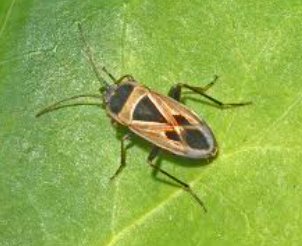
Xanthocoris Predatory Bugs are beneficial insects within the order Hemiptera that play an important role in natural pest management. Unlike plant-feeding bugs that damage crops and ornamentals, these small predators actively hunt and consume aphids, spider mites, thrips, whiteflies, psyllids, and other soft-bodied pests. Their presence in gardens, orchards, nurseries, and agricultural systems provides valuable biological control that helps reduce reliance on chemical insecticides.
Members of the genus Xanthocoris are often classified within the family Anthocoridae, commonly known as Minute Pirate Bugs. Despite their small size, they are highly efficient predators capable of suppressing pest populations before they reach damaging levels. Because of their effectiveness and adaptability, they are considered one of the most beneficial insects found in agricultural and landscape environments.
For Pestipedia readers, Xanthocoris Predatory Bugs should be viewed as allies rather than pests. Their presence is often a sign of a healthy ecosystem where natural biological control is functioning properly.
Taxonomy and Classification
- Kingdom: Animalia
- Phylum: Arthropoda
- Class: Insecta
- Order: Hemiptera
- Family: Anthocoridae
- Genus: Xanthocoris
Xanthocoris bugs belong to a group of predatory true bugs equipped with piercing-sucking mouthparts adapted for capturing and consuming other insects. Rather than feeding on plant sap, they use their specialized beak to inject digestive enzymes into prey and consume the liquefied tissues.
Identification
Xanthocoris Predatory Bugs are tiny insects that can easily be overlooked without careful observation.
- Size: Approximately 2 mm to 5 mm long.
- Body Shape: Flattened and oval.
- Color: Black with creamy-white or pale markings.
- Wings: Fold flat across the back, creating a distinctive X-shaped pattern.
- Mouthparts: Prominent piercing beak used for capturing prey.
Adults are fast-moving and often found searching leaves, flowers, and stems for insect prey. Their small size and dark coloration help them blend into vegetation while hunting.
Nymph Identification
Immature stages differ noticeably from adults.
- Wingless.
- Tear-drop shaped body.
- Orange, yellowish-brown, or amber coloration.
- Highly active hunters.
Nymphs begin feeding on prey immediately after hatching and are just as beneficial as adults.
Distribution and Habitat
Xanthocoris Predatory Bugs occur throughout many agricultural and natural ecosystems where suitable prey populations are present.
Common habitats include:
- Orchards
- Vegetable gardens
- Crop fields
- Greenhouses
- Flower beds
- Meadows
- Natural vegetation
- Landscape plantings
They are especially abundant in environments containing aphids, thrips, mites, and whiteflies. Their populations often increase naturally in response to pest outbreaks, making them valuable indicators of ecological balance.
Life Cycle
Xanthocoris Predatory Bugs undergo simple metamorphosis.
- Egg Stage: Females lay eggs on plant surfaces near prey populations.
- Nymph Stage: Newly hatched nymphs immediately begin hunting and feeding.
- Molting: Nymphs pass through several growth stages.
- Adult Stage: Mature bugs reproduce and continue feeding on pest insects.
Multiple generations may occur during the growing season, especially in warm climates and agricultural settings where prey is abundant.
Behavior and Feeding Habits
Xanthocoris bugs are aggressive generalist predators capable of attacking a wide range of pest species.
Primary Prey
- Aphids
- Spider Mites
- Thrips
- Whiteflies
- Psyllids
- Leafhopper Eggs
- Moth Eggs
- Small Caterpillars
Both adults and nymphs actively patrol plant surfaces searching for prey. Once a target is located, the bug quickly pierces it with its beak and injects digestive enzymes before feeding.
Predatory Capacity
Despite their tiny size, these predators can consume impressive numbers of pests.
- Rapid prey consumption.
- Effective suppression of pest outbreaks.
- Reduction of pesticide dependence.
- Improved crop health.
Individual nymphs may consume dozens of spider mites per day under favorable conditions.
Damage and Economic Importance
Xanthocoris Predatory Bugs do not damage plants. Instead, they provide significant economic benefits through biological control.
Natural Pest Suppression
By reducing pest populations naturally, these insects help:
- Protect crop yields.
- Improve plant health.
- Reduce insecticide applications.
- Support organic production systems.
Integrated Pest Management (IPM)
They are important components of modern Integrated Pest Management programs.
- Biological control agent.
- Compatible with sustainable agriculture.
- Supports long-term pest suppression.
- Reduces environmental impacts.
Many growers actively encourage their presence because they provide free, continuous pest control throughout the growing season.
Human Interactions
Xanthocoris bugs are harmless to humans and pets.
Occasionally, an individual may land on a person and deliver a tiny pinch-like bite while investigating exposed skin. These bites are not dangerous and typically cause only minor irritation. They do not feed on blood, infest homes, or damage property.
Monitoring
Gardeners and growers can monitor populations using several techniques.
- Yellow sticky traps.
- Visual inspection of leaves.
- Beat-sheet sampling.
- Monitoring pest populations.
The presence of even small numbers of Xanthocoris bugs often indicates that biological control is actively occurring within the crop or landscape.
Management and Conservation
The best management strategy for Xanthocoris Predatory Bugs is conservation.
Plant Flowering Species
- Fennel
- Marigolds
- Dill
- Alfalfa
- Yarrow
These plants provide pollen and nectar resources when prey populations are low.
Avoid Broad-Spectrum Insecticides
Many conventional insecticides kill beneficial insects alongside pests.
- Avoid unnecessary sprays.
- Use selective products when possible.
- Preserve predator populations.
- Support biological control.
Pyrethroid insecticides are particularly disruptive to beneficial predator populations and should be used cautiously.
Provide Overwintering Habitat
- Leaf litter.
- Perennial grasses.
- Native vegetation.
- Undisturbed field margins.
These habitats help adults survive winter and recolonize crops and gardens the following season.
Research and Biological Control
Researchers continue studying Xanthocoris species and related minute pirate bugs for their role in sustainable agriculture.
Current research focuses on:
- Mass-rearing techniques.
- Biological control programs.
- Predator-prey interactions.
- Compatibility with selective pesticides.
- Greenhouse pest management.
Because they attack multiple economically important pests, Xanthocoris Predatory Bugs remain valuable tools in reducing pesticide use and improving agricultural sustainability worldwide.
Conclusion
Xanthocoris Predatory Bugs are among the most beneficial insects found in agricultural and garden ecosystems. Their ability to hunt aphids, mites, thrips, whiteflies, and other destructive pests makes them essential allies in integrated pest management programs. Encouraging and protecting these natural predators helps create healthier plants, more sustainable growing systems, and reduced dependence on chemical pesticides.