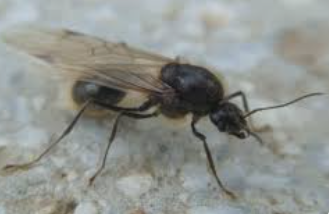
Xanthium Gall Flies
Xanthium Gall Flies are specialized insects within the family Tephritidae (true fruit flies) that attack plants in the genus Xanthium, commonly known as cockleburs. Unlike many fruit flies that are considered agricultural pests, these insects are widely recognized as beneficial biological control agents because they suppress invasive cocklebur populations. By inducing gall formation or feeding within developing burs and seeds, Xanthium Gall Flies reduce plant vigor, decrease seed production, and limit the spread of one of agriculture’s most troublesome weeds.
Cockleburs are aggressive annual weeds commonly found in pastures, roadsides, crop fields, floodplains, and disturbed habitats throughout North America. They compete with crops, contaminate harvested grain, and can be toxic to livestock. Xanthium Gall Flies help reduce these impacts naturally by interfering with the weed’s reproductive cycle.
Because of their highly specialized relationship with cockleburs, these insects are considered important components of integrated weed management programs.
Taxonomy and Classification
- Kingdom: Animalia
- Phylum: Arthropoda
- Class: Insecta
- Order: Diptera
- Family: Tephritidae
- Representative Species: Euaresta aequalis and related species
- Primary Host: Xanthium species (Cockleburs)
The Tephritidae family contains thousands of species worldwide. While many fruit flies attack fruits and vegetables, Xanthium Gall Flies are valued for their ability to suppress invasive weed populations through highly specialized host relationships.
Identification
Xanthium Gall Flies are small insects that can be recognized by their distinctive wing patterns and close association with cocklebur plants.
- Size: Approximately 4 mm to 6 mm long.
- Body Color: Yellowish-brown to dark brown.
- Wings: Clear wings marked with dark bands and patterns.
- Body Shape: Compact and robust.
- Behavior: Frequently observed walking or displaying wings on host plants.
Adults are often seen resting on cocklebur leaves during summer, where they may perform characteristic wing movements that help deter predators and attract mates.
Larvae
The larval stage develops entirely within plant tissues.
- Creamy-white coloration.
- Legless maggot form.
- Tapered body shape.
- Protected inside galls or burs.
Larvae are rarely visible unless galls or seed structures are dissected.
Gall Formation
The most distinctive sign of infestation is the formation of galls.
When females deposit eggs into developing plant tissue, newly hatched larvae release chemicals that alter normal plant growth. This process stimulates the plant to create specialized structures that serve as protective nurseries for the developing insects.
These galls may appear as:
- Stem swellings.
- Spindle-shaped enlargements.
- Elliptical growths.
- Distorted leaf petioles.
- Abnormal reproductive structures.
The gall provides food, shelter, and protection from predators and environmental conditions while the larva develops.
Distribution and Habitat
Xanthium Gall Flies occur wherever cocklebur populations are established.
Common habitats include:
- Pastures
- Soybean fields
- Corn fields
- Roadsides
- Drainage ditches
- Floodplains
- Abandoned agricultural land
- Disturbed natural areas
They are especially important in regions where Common Cocklebur (Xanthium strumarium) has become invasive and problematic for agriculture.
Life Cycle
Xanthium Gall Flies undergo complete metamorphosis.
- Egg Stage: Females insert eggs into stems, buds, burs, or other plant tissues.
- Larval Stage: Larvae hatch and induce gall formation while feeding internally.
- Pupal Stage: Pupation occurs within the gall or nearby plant tissues.
- Adult Stage: Adults emerge and locate new host plants for reproduction.
Depending on climate and species, one or more generations may occur each year.
Damage and Biological Control Benefits
Unlike most insects covered by Pestipedia, the damage caused by Xanthium Gall Flies is generally considered beneficial because it targets invasive weeds.
Reduced Seed Production
The primary benefit comes from reduced reproductive success.
- Lower seed production.
- Damaged reproductive structures.
- Reduced germination rates.
- Suppressed weed spread.
Energy Diversion
Gall formation forces the plant to redirect resources.
- Nutrient diversion.
- Reduced flowering.
- Decreased vigor.
- Stunted growth.
Energy invested in gall tissue cannot be used for producing additional seeds or vegetative growth.
Structural Weakening
Heavy gall formation can compromise stem integrity.
- Brittle stems.
- Premature breakage.
- Reduced plant competitiveness.
- Lower survival rates.
In windy environments, heavily galled plants may collapse before seeds mature.
Signs of Infestation
- Stem swellings.
- Elliptical galls.
- Distorted growth.
- Reduced seed production.
- Abnormal burs.
- Small emergence holes.
- Presence of patterned-wing flies.
High gall densities often indicate successful biological control activity.
Integrated Pest Management (IPM)
Management focuses on conserving beneficial fly populations while controlling cockleburs.
Strategic Mowing
- Mow after gall formation.
- Allow larval development to continue.
- Reduce weed biomass.
- Preserve biological control populations.
Selective Herbicide Use
Timing is important when herbicides are necessary.
- Treat weeds before fly activity peaks.
- Avoid unnecessary late-season applications.
- Preserve beneficial insects.
Habitat Preservation
- Maintain field margins.
- Protect non-crop habitats.
- Support overwintering populations.
- Promote natural recolonization.
Monitoring
Monitoring helps evaluate biological control success.
- Inspect stems for galls.
- Measure gall density.
- Check for larval activity.
- Observe adult populations.
- Evaluate reductions in seed production.
High gall densities generally indicate effective suppression of cocklebur populations.
Research and Biological Control Programs
Researchers continue studying Xanthium Gall Flies to improve biological weed management strategies. Current research focuses on host specificity, gall formation mechanisms, ecological impacts, and integration with other weed control methods.
Because they reduce seed production without harming crops, these insects represent an environmentally friendly alternative to repeated herbicide applications in some situations.
Conclusion
Xanthium Gall Flies are highly specialized beneficial insects that help control invasive cocklebur populations through gall formation and seed destruction. Their ability to reduce plant vigor, suppress seed production, and limit weed spread makes them valuable allies in agricultural and ecological management programs. By supporting these natural biological control agents, land managers can reduce invasive weed pressure while promoting sustainable pest management practices.