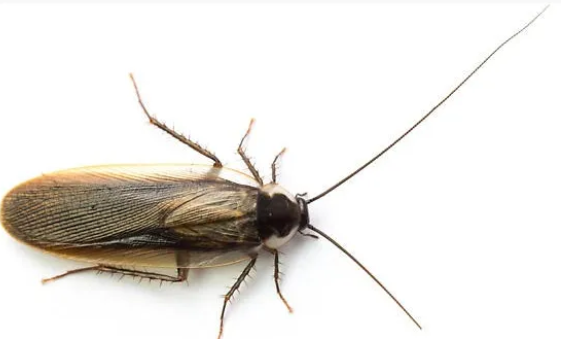
Wood Cockroaches
Wood cockroaches (Parcoblatta species) are common outdoor insects found throughout much of North America. Unlike German cockroaches, American cockroaches, and other household pest species, wood cockroaches are beneficial decomposers that live primarily in forests, woodlands, and other natural habitats. They feed on decaying organic matter and play an important role in nutrient recycling within ecosystems.
Because they occasionally wander into homes, especially during warm weather, wood cockroaches are frequently mistaken for indoor pest species. Fortunately, these insects do not establish infestations inside buildings and are generally considered nuisance pests rather than serious household threats.
Taxonomy and Classification
- Kingdom: Animalia
- Phylum: Arthropoda
- Class: Insecta
- Order: Blattodea
- Family: Ectobiidae
- Genus: Parcoblatta
Several species of wood cockroaches occur throughout North America, with the Pennsylvania wood cockroach (Parcoblatta pennsylvanica) being one of the most commonly encountered species.
Physical Description
Adult Males
Male wood cockroaches are slender, fully winged insects capable of strong flight.
- Length: 12–25 mm
- Light brown to chestnut brown coloration
- Long wings extending beyond the abdomen
- Excellent fliers
- Frequently attracted to lights
Adult Females
Female wood cockroaches differ significantly from males.
- Shorter wings
- Unable to fly
- Broader body shape
- Darker coloration
- Usually remain near natural habitats
Nymphs
Immature wood cockroaches resemble adults but lack fully developed wings. Nymphs are commonly found beneath logs, bark, and leaf litter where moisture levels remain high.
Distribution and Habitat
Wood cockroaches are widespread throughout the United States and southern Canada.
They are especially common in:
- Forests
- Woodlands
- Parks
- Campgrounds
- Mulched landscapes
- Woodpiles
- Leaf litter accumulations
These insects thrive in moist environments rich in decaying organic material.
Behavior
Unlike household pest cockroaches, wood cockroaches spend virtually their entire lives outdoors.
They are primarily nocturnal and become active during warm evenings.
One of the most important behavioral differences between wood cockroaches and indoor pest species is their attraction to light. Male wood cockroaches are frequently drawn to porch lights, illuminated windows, and outdoor lighting systems.
This attraction often leads them into homes by accident.
Life Cycle
Wood cockroaches undergo incomplete metamorphosis consisting of three life stages:
- Egg
- Nymph
- Adult
Egg Stage
Females produce egg capsules called oothecae.
These egg cases are deposited in protected outdoor locations such as:
- Rotting logs
- Leaf litter
- Beneath bark
- Decaying wood
Nymph Stage
Nymphs emerge from eggs and begin feeding on decomposing organic matter.
Development may require several molts over many months before adulthood is reached.
Adult Stage
Adults emerge during late spring and summer. Mating occurs outdoors, and females continue the reproductive cycle by producing new egg cases.
Most species complete one generation annually.
Ecological Importance
Wood cockroaches provide valuable ecological services.
As decomposers, they help break down:
- Dead leaves
- Rotting wood
- Plant debris
- Organic litter
- Forest floor material
This decomposition process returns nutrients to the soil and supports healthy ecosystems.
Wood cockroaches also serve as food for numerous predators including:
- Birds
- Amphibians
- Reptiles
- Spiders
- Small mammals
- Predatory insects
Why They Enter Homes
Wood cockroaches occasionally enter structures accidentally.
Common reasons include:
- Attraction to lights
- Open doors and windows
- Transported firewood
- Seeking temporary shelter
- Movement from nearby woodpiles
Unlike German cockroaches, they do not enter homes searching for food or nesting sites.
Differences Between Wood Cockroaches and Pest Cockroaches
| Characteristic | Wood Cockroach | German Cockroach |
|---|---|---|
| Primary Habitat | Outdoors | Indoors |
| Attracted to Light | Yes | No |
| Breeds Indoors | No | Yes |
| Infests Kitchens | No | Frequently |
| Requires Moist Forest Habitat | Yes | No |
| Serious Household Pest | No | Yes |
Damage and Economic Importance
Wood cockroaches cause little direct damage.
Unlike indoor pest species, they:
- Do not contaminate food supplies
- Do not damage structures
- Do not reproduce indoors
- Do not create persistent infestations
- Do not accumulate in large indoor populations
Their primary impact is nuisance-related, particularly when homeowners mistake them for more problematic cockroach species.
Signs of Activity
Common indicators include:
- Individual cockroaches near lights
- Occasional insects indoors
- Activity around woodpiles
- Cockroaches beneath mulch or logs
- Seasonal appearances during warm months
Finding only one or two individuals usually indicates accidental entry rather than infestation.
Management and Control (IPM)
Reduce Outdoor Habitat Near Structures
- Remove decaying wood
- Reduce leaf litter
- Move woodpiles away from buildings
- Limit excessive mulch depth
Improve Exclusion
- Seal foundation cracks
- Repair damaged screens
- Install door sweeps
- Close utility-entry gaps
Manage Outdoor Lighting
Because males are attracted to light:
- Use yellow bug lights
- Reduce unnecessary outdoor lighting
- Position lights away from entrances
Inspect Firewood
Firewood frequently transports wood cockroaches indoors.
- Store wood away from structures
- Inspect logs before bringing indoors
- Rotate firewood regularly
Physical Removal
If a wood cockroach enters a home, simply:
- Capture and release it outdoors
- Vacuum it up
- Remove it manually
In most situations, pesticide treatments are unnecessary.
Prevention Tips
- Maintain a dry foundation perimeter
- Keep mulch away from exterior walls
- Store firewood properly
- Seal entry points
- Reduce outdoor lighting attraction
- Remove decaying vegetation near structures
Interesting Facts
- Male wood cockroaches are strong fliers, unlike many household cockroach species.
- They are attracted to lights rather than avoiding them.
- Wood cockroaches rarely survive long indoors.
- They play an important role in forest nutrient recycling.
- Most homeowners encounter them only during seasonal migrations.
Conclusion
Wood cockroaches are beneficial outdoor insects that serve as important decomposers in natural ecosystems. Although they occasionally enter homes and are often mistaken for serious pest species, they do not establish indoor infestations or pose significant health risks. Understanding their biology, habitat preferences, and behavior helps homeowners distinguish these harmless visitors from true household cockroach pests. Through simple exclusion measures and habitat management, encounters with wood cockroaches can be minimized while preserving their valuable ecological role.