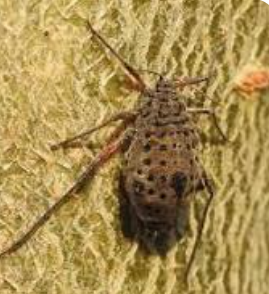
Willow Aphids are sap-feeding insects that infest willow trees (Salix spp.) and closely related plants such as poplars. Several species are commonly referred to as willow aphids, but one of the most notable is the Giant Willow Aphid (Tuberolachnus salignus), a large and highly visible species known for forming dense colonies on twigs, branches, and stems.
These aphids feed by piercing plant tissues and extracting nutrient-rich phloem sap. While moderate infestations may cause little lasting harm to healthy trees, large populations can weaken host plants, reduce growth, and create significant nuisance problems through the production of sticky honeydew. This sugary waste material coats leaves, vehicles, outdoor furniture, sidewalks, and other nearby surfaces, often leading to the development of black sooty mold fungi.
Willow aphids are particularly problematic in urban landscapes where large willow trees overhang patios, driveways, parking areas, and public spaces.
Taxonomy and Classification
- Kingdom: Animalia
- Phylum: Arthropoda
- Class: Insecta
- Order: Hemiptera
- Family: Lachnidae
Common willow aphid species include:
- Giant Willow Aphid (Tuberolachnus salignus)
- Willow Bark Aphids (Lachnus spp.)
- Various willow-feeding aphids in the family Aphididae
Many species reproduce rapidly through parthenogenesis, allowing populations to increase dramatically in a short period.
Identification
Willow aphids are among the larger aphid species encountered on ornamental trees.
- Length: 3 mm to 6 mm.
- Color: Dark brown, gray, or black.
- Body: Soft-bodied and pear-shaped.
- Texture: Often covered with a waxy appearance.
Key Identification Features
- Large aphid size.
- Dense colonies on stems and twigs.
- Dark coloration.
- Visible honeydew accumulation.
- Frequent ant activity around colonies.
The Giant Willow Aphid is especially distinctive due to its large size and the prominent tubercle-like projection located on its back.
Distribution and Habitat
Willow aphids are found throughout temperate regions wherever willow trees occur.
Common habitats include:
- Willow trees.
- Poplar trees.
- Riparian zones.
- Urban landscapes.
- Parks.
- Roadside plantings.
- Waterfront properties.
Colonies typically develop on young shoots, twigs, branches, and bark crevices where sap flow is abundant.
Life Cycle
Willow aphids have complex life cycles that may include both sexual and asexual reproduction.
- Overwintering Stage: Eggs or surviving females persist through winter.
- Spring Colonization: Aphids begin feeding on new growth.
- Rapid Reproduction: Females produce live offspring without mating.
- Population Expansion: Colonies grow rapidly throughout the growing season.
- Winged Forms: Some individuals develop wings and disperse to new host plants.
Multiple generations may occur each year.
Feeding Habits
Willow aphids feed exclusively on plant sap.
- Insert needle-like mouthparts.
- Extract phloem sap.
- Feed continuously.
- Concentrate on young growth and stems.
Their feeding removes nutrients and energy from the host plant.
Damage and Economic Importance
Plant Stress
Large aphid populations can negatively affect tree health.
- Reduced vigor.
- Stunted growth.
- Premature leaf drop.
- General decline.
Young or stressed trees are most susceptible to damage.
Honeydew Production
The primary nuisance associated with willow aphids is honeydew.
- Sticky residue on leaves.
- Coated vehicles.
- Dirty sidewalks.
- Contaminated outdoor furniture.
Heavy infestations may create a continuous dripping effect beneath infested trees.
Sooty Mold Development
Honeydew supports the growth of sooty mold fungi.
- Black fungal coating.
- Reduced aesthetic value.
- Leaf discoloration.
- Blocked sunlight on foliage.
Sooty mold does not directly infect the tree but can reduce photosynthesis when severe.
Behavior and Conflict
Massive Honeydew Production
Willow aphids consume large volumes of sap.
- Produce excess sugar waste.
- Create sticky surfaces.
- Encourage mold growth.
This is often the primary reason property owners seek control measures.
Ant Associations
Ants commonly tend willow aphid colonies.
- Collect honeydew.
- Protect aphids from predators.
- Defend colonies aggressively.
This mutualistic relationship can make biological control less effective.
Signs of Infestation
- Dense aphid clusters on twigs.
- Sticky honeydew beneath trees.
- Black sooty mold.
- Large numbers of ants.
- Declining tree vigor.
- Dark-colored aphids visible on bark.
Infestations are often first noticed because of sticky surfaces beneath the canopy.
Management and Prevention
Integrated Pest Management (IPM) is the preferred approach.
Biological Control
- Lady beetles.
- Lacewings.
- Hover fly larvae.
- Parasitic wasps.
Natural enemies often provide substantial suppression of aphid populations.
Cultural Control
- Promote tree health.
- Avoid excessive fertilization.
- Reduce plant stress.
- Prune heavily infested branches.
Healthy trees are better able to tolerate aphid feeding.
Water Sprays
- Dislodge colonies.
- Reduce aphid numbers.
- Wash honeydew from foliage.
Strong water sprays may help manage small infestations.
Systemic Treatments
- Soil drenches.
- Trunk injections.
- Systemic insecticides.
These treatments are often used for high-value ornamental trees experiencing severe infestations.
Research and Future Management
Researchers continue studying the spread of invasive willow aphid species, including the Giant Willow Aphid, into new regions. Ongoing work focuses on biological control, aphid population dynamics, and methods for reducing honeydew production without disrupting beneficial insects.
Scientists are also examining the ecological impacts of aphid-ant relationships and how these interactions influence long-term population growth.
Conclusion
Willow aphids are large sap-feeding insects that can create substantial nuisance problems through the production of sticky honeydew and associated sooty mold growth. While healthy willow trees often tolerate moderate infestations, heavy populations may cause plant stress and significant aesthetic issues. Effective management combines biological control, cultural practices, and targeted treatments when necessary to protect valuable landscape trees.