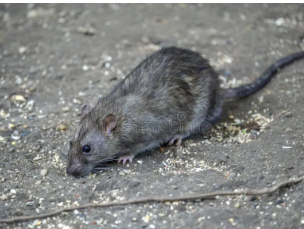
Wharf Rats is a common name for the Norway Rat (Rattus norvegicus), one of the most widespread and destructive rodent pests in the world. The name originates from their historical association with ports, docks, wharves, ships, and waterfront warehouses where food, cargo, and shelter are abundant. These large rodents have successfully adapted to urban environments and are now found in cities, industrial facilities, farms, sewer systems, and residential neighborhoods worldwide.
Wharf Rats pose serious public health, structural, and economic threats. They contaminate food and stored products with urine, droppings, and hair, damage buildings through gnawing and burrowing, and can transmit numerous diseases affecting both humans and animals. Their intelligence, adaptability, and high reproductive rate make them among the most challenging vertebrate pests to control.
Historically, rats played a significant role in spreading diseases through their association with fleas and unsanitary environments. Today, they remain a major concern in urban pest management programs around the globe.
Taxonomy and Classification
- Kingdom: Animalia
- Phylum: Chordata
- Class: Mammalia
- Order: Rodentia
- Family: Muridae
- Genus: Rattus
- Species: Rattus norvegicus
Despite their common name, Norway Rats did not originate in Norway. They are believed to have originated in Asia before spreading worldwide through trade and shipping activities.
Identification
Wharf Rats are larger and more robust than most other commensal rodents.
- Body Length: 18 cm to 25 cm.
- Tail Length: Usually shorter than the combined head and body length.
- Weight: 250 to 500 grams or more.
- Color: Brown, gray-brown, or dark gray.
Key Identification Features
- Large, stocky body.
- Blunt nose.
- Small ears.
- Small eyes.
- Scaly tail shorter than body length.
- Powerful gnawing teeth.
Their heavy build distinguishes them from the more slender Roof Rat (Rattus rattus).
Distribution and Habitat
Wharf Rats are found on every continent except Antarctica.
Common habitats include:
- Ports and docks.
- Warehouses.
- Shipping facilities.
- Sewer systems.
- Basements.
- Garbage disposal areas.
- Food processing facilities.
- Livestock operations.
- Urban alleys.
They prefer locations with reliable food, water, and shelter and are particularly common near waterways.
Life Cycle
Wharf Rats reproduce rapidly under favorable conditions.
- Mating: Occurs year-round in warm environments.
- Gestation: Approximately 21 to 23 days.
- Litter Size: Typically 6 to 12 pups.
- Maturity: Young rats can reproduce in as little as 2 to 3 months.
A single female can produce dozens of offspring annually, allowing populations to expand quickly.
Feeding Habits
Wharf Rats are opportunistic omnivores.
- Grains.
- Seeds.
- Meat.
- Fish.
- Garbage.
- Pet food.
- Stored products.
- Fruits and vegetables.
They consume a wide variety of foods and can survive on almost any available organic material.
Damage and Economic Importance
Food Contamination
One of the most significant concerns is contamination.
- Urine contamination.
- Droppings.
- Hair contamination.
- Chewed packaging.
Large quantities of food may become unusable after rodent exposure.
Structural Damage
Wharf Rats constantly gnaw to wear down their continuously growing teeth.
- Electrical wiring.
- Wood framing.
- Plastic pipes.
- Insulation.
- Packaging materials.
Gnawing damage can lead to fires, flooding, and expensive repairs.
Burrowing
Norway Rats are accomplished burrowers.
- Undermine foundations.
- Damage seawalls.
- Create soil instability.
- Weaken embankments.
Burrow systems may extend several feet underground.
Public Health Concerns
Wharf Rats are associated with numerous diseases.
- Leptospirosis.
- Salmonellosis.
- Rat-bite fever.
- Murine typhus.
- Hantavirus exposure risks.
Historically, rat-associated fleas contributed to the spread of plague outbreaks.
Although modern sanitation has reduced many risks, rats remain important disease vectors in urban environments.
Signs of Infestation
- Large capsule-shaped droppings.
- Gnaw marks.
- Burrow openings.
- Greasy rub marks.
- Tracks and footprints.
- Noises in walls or ceilings.
- Food package damage.
Fresh droppings and active burrows are strong indicators of an ongoing infestation.
Behavior and Conflict
Nocturnal Activity
Wharf Rats are primarily active at night.
- Forage after dark.
- Avoid human activity.
- Travel along established routes.
Daytime sightings often indicate a large infestation.
Intelligence
Norway Rats are highly intelligent animals.
- Learn quickly.
- Avoid hazards.
- Develop trap avoidance.
- Adapt to changing environments.
This intelligence contributes to their pest status.
Social Structure
Wharf Rats live in colonies.
- Maintain territories.
- Share nesting sites.
- Establish social hierarchies.
Large colonies can contain dozens of individuals.
Management and Prevention
Effective management requires an integrated approach.
Sanitation
- Remove food sources.
- Secure garbage containers.
- Clean spills promptly.
- Store food properly.
Sanitation is the foundation of long-term control.
Exclusion
- Seal holes larger than 1/2 inch.
- Repair damaged vents.
- Install door sweeps.
- Protect utility penetrations.
Preventing entry is more effective than repeatedly removing rats.
Trapping
- Snap traps.
- Multi-catch traps.
- Electronic traps.
Proper trap placement along travel routes improves success.
Baiting
- Tamper-resistant bait stations.
- Professional rodenticide programs.
- Strategic monitoring.
Baiting should follow all local regulations and safety guidelines.
Research and Future Management
Researchers continue studying rat movement patterns, bait resistance, population dynamics, and urban ecology. Modern research focuses on improving integrated rodent management while reducing environmental impacts on non-target wildlife.
New monitoring technologies, genetic studies, and smart trapping systems are helping pest professionals better understand and manage Wharf Rat populations in complex urban environments.
Conclusion
Wharf Rats, also known as Norway Rats, are among the world’s most destructive rodent pests. Their ability to spread disease, contaminate food, damage structures, and reproduce rapidly makes them a major concern for ports, warehouses, businesses, and residential properties. Effective control depends on sanitation, exclusion, monitoring, and integrated pest management strategies that address both the rats and the conditions supporting them.