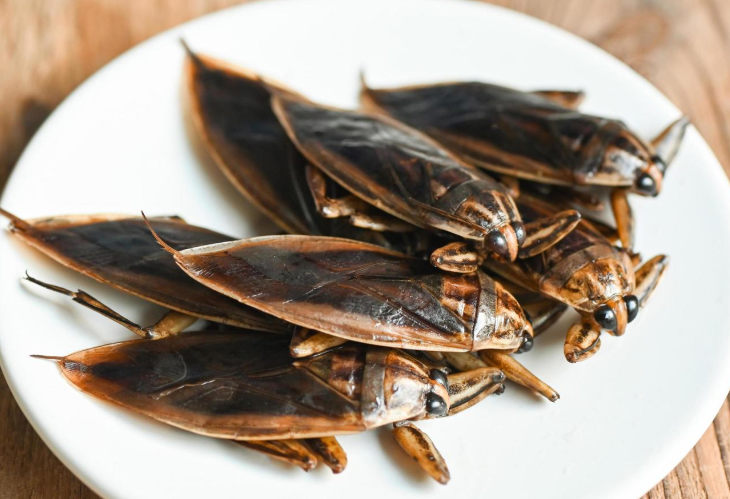
Water Bugs is a term that can refer to two very different groups of insects. In biology, water bugs are aquatic insects belonging to the order Hemiptera, including species such as giant water bugs, backswimmers, and water scorpions. However, in pest control and everyday conversation, the term “water bug” is most commonly used to describe the American Cockroach (Periplaneta americana), particularly when these insects are found in damp areas such as basements, sewers, bathrooms, and crawl spaces.
When referring to American cockroaches, water bugs are among the largest and most troublesome structural pests found in homes, restaurants, warehouses, hospitals, and commercial buildings. Their ability to contaminate food, spread pathogens, trigger allergies, and survive in harsh environments makes them one of the most important public health pests worldwide.
Although they are often called water bugs because of their preference for moist environments, American cockroaches are not aquatic insects and cannot live underwater. Instead, they thrive in warm, humid locations where food, moisture, and shelter are readily available.
Taxonomy and Classification
- Kingdom: Animalia
- Phylum: Arthropoda
- Class: Insecta
- Order: Blattodea
- Family: Blattidae
- Species: Periplaneta americana
Despite its common name, the American cockroach likely originated in tropical Africa and was introduced worldwide through trade and shipping.
Identification
American cockroaches are among the largest pest cockroach species encountered indoors.
- Length: 35 mm to 55 mm.
- Color: Reddish-brown.
- Body Shape: Oval and flattened.
- Wings: Fully developed in adults.
- Antennae: Long and threadlike.
Key Identification Features
- Yellowish figure-eight pattern behind the head.
- Large reddish-brown body.
- Long, spiny legs.
- Capable of short flights or gliding.
These characteristics help distinguish them from German cockroaches and other household pest species.
Distribution and Habitat
Water bugs (American cockroaches) are found worldwide in warm climates and heated structures.
Common habitats include:
- Sewers
- Basements
- Crawl spaces
- Boiler rooms
- Steam tunnels
- Commercial kitchens
- Food processing facilities
- Floor drains
They prefer locations with abundant moisture, warmth, and organic food sources.
Life Cycle
American cockroaches undergo simple metamorphosis.
- Egg Stage: Females produce egg capsules called oothecae.
- Nymph Stage: Young cockroaches emerge and molt repeatedly as they grow.
- Adult Stage: Mature adults reproduce and establish new populations.
The complete life cycle may require six months to more than a year depending on environmental conditions.
Feeding Habits
Water bugs are highly opportunistic scavengers.
- Food scraps.
- Grease residues.
- Pet food.
- Garbage.
- Paper products.
- Decaying organic matter.
- Glue and starches.
Their ability to consume almost any organic material contributes to their success as pests.
Damage and Public Health Importance
Food Contamination
As they move between unsanitary environments and food preparation areas, water bugs contaminate surfaces and food products.
- Bacteria transfer.
- Fecal contamination.
- Saliva contamination.
- Body fragment contamination.
Disease Transmission
American cockroaches are associated with numerous pathogens.
- Salmonella.
- E. coli.
- Staphylococcus.
- Various intestinal parasites.
While they do not directly inject diseases into humans, they can mechanically spread pathogens throughout structures.
Allergies and Asthma
Cockroach allergens are a significant health concern.
- Asthma attacks.
- Respiratory irritation.
- Allergic reactions.
- Indoor air quality issues.
Children living in heavily infested buildings are particularly vulnerable.
Signs of Infestation
Several indicators suggest a water bug infestation.
- Live cockroach sightings.
- Dark fecal pellets.
- Cast skins.
- Egg capsules.
- Musty odor.
- Activity around drains and plumbing.
Most activity occurs at night, making daytime sightings an indicator of a potentially large infestation.
Behavior and Conflict
Nocturnal Activity
Water bugs are primarily active after dark.
- Hide during daylight.
- Forage at night.
- Prefer dark harborages.
- Avoid disturbance.
Aggregation
These insects naturally gather in groups.
- Large populations may develop.
- Shared harborages are common.
- Chemical signals attract others.
This behavior often makes infestations difficult to eliminate without comprehensive treatment.
Management and Prevention
Successful control requires a combination of sanitation, exclusion, and targeted treatment.
Sanitation
- Clean food spills immediately.
- Store food in sealed containers.
- Remove garbage regularly.
- Eliminate grease buildup.
Reducing food availability significantly lowers population growth.
Moisture Management
- Repair leaks.
- Reduce condensation.
- Maintain dry environments.
- Improve ventilation.
Water availability is often the limiting factor for cockroach survival.
Exclusion
- Seal cracks and gaps.
- Repair damaged screens.
- Install door sweeps.
- Seal plumbing penetrations.
Exclusion prevents new insects from entering structures.
Chemical Control
- Gel baits.
- Insect growth regulators (IGRs).
- Residual insecticides.
- Dust formulations.
Modern baiting programs are generally the most effective and environmentally responsible control option.
Research and Future Management
Researchers continue studying insecticide resistance, bait acceptance, and improved integrated pest management strategies for American cockroaches. Advances in insect growth regulators and low-toxicity bait formulations have significantly improved control success while reducing pesticide exposure.
Ongoing research also focuses on understanding cockroach allergens and their impact on human health in urban environments.
Conclusion
Water bugs, when referring to American cockroaches, are among the most significant structural pests worldwide. Their ability to contaminate food, spread pathogens, trigger allergies, and thrive in challenging environments makes them a serious public health concern. Effective management depends on sanitation, moisture reduction, exclusion, and targeted baiting programs that address the root causes of infestations.