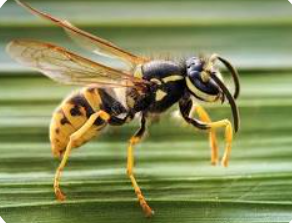
Wasps are one of the most diverse groups of insects in the world, belonging to the order Hymenoptera, which also includes bees and ants. They occupy nearly every terrestrial ecosystem and perform vital ecological functions as predators, parasitoids, scavengers, and pollinators. Although many people associate wasps with painful stings and aggressive behavior, the vast majority of species are harmless to humans and provide valuable environmental benefits.
Wasps range from tiny parasitic species less than a millimeter long to large hornets exceeding 50 mm in length. Some live solitary lives, while others form highly organized social colonies consisting of queens, workers, and reproductive individuals. Their adaptability and ecological importance make them one of the most successful insect groups on Earth.
While certain species become nuisance pests when nesting near homes or recreational areas, many wasps are considered beneficial because they help control populations of agricultural and garden pests naturally.
Taxonomy and Classification
- Kingdom: Animalia
- Phylum: Arthropoda
- Class: Insecta
- Order: Hymenoptera
Wasps belong to numerous families within Hymenoptera, including:
- Vespidae: Yellowjackets, hornets, and paper wasps.
- Ichneumonidae: Ichneumon wasps.
- Braconidae: Braconid parasitoid wasps.
- Pompilidae: Spider wasps.
- Sphecidae: Thread-waisted wasps.
- Crabronidae: Sand and digger wasps.
Thousands of wasp species have been described worldwide, with many more yet to be discovered.
Identification
Wasps vary considerably in appearance, but several characteristics are common throughout the group.
- Size: 2 mm to over 50 mm depending on species.
- Body Shape: Slender with a narrow waist connecting the thorax and abdomen.
- Wings: Two pairs of membranous wings.
- Antennae: Long and segmented.
- Mouthparts: Chewing mouthparts.
Many species display bright warning colors such as yellow, black, orange, red, or white. Others possess cryptic coloration that helps them blend into their surroundings.
Differences Between Wasps and Bees
- Wasps generally have smoother bodies.
- Bees possess dense hairs for pollen collection.
- Wasps have narrower waists.
- Bees are typically more robust in appearance.
Although often confused with one another, wasps and bees occupy different ecological niches.
Distribution and Habitat
Wasps occur throughout the world and inhabit nearly every terrestrial environment.
Common habitats include:
- Forests
- Grasslands
- Deserts
- Wetlands
- Agricultural fields
- Urban landscapes
- Gardens
- Woodlands
They are found on every continent except Antarctica.
Life Cycle
Wasps undergo complete metamorphosis.
- Egg Stage: Eggs are laid in nests, soil, wood, or host organisms.
- Larval Stage: Larvae feed on provisions supplied by adults or consume host organisms.
- Pupal Stage: Development occurs within a protected cocoon or cell.
- Adult Stage: Adults emerge, reproduce, and establish new nests.
The length of development varies widely among species and environmental conditions.
Behavior and Diet
Wasps exhibit remarkable diversity in feeding habits and behavior.
Predatory Wasps
Many species actively hunt insects and spiders.
- Caterpillars
- Aphids
- Flies
- Grasshoppers
- Spiders
- Beetles
These species provide valuable natural pest control services.
Parasitoid Wasps
Parasitoid species lay eggs inside or on other organisms.
- Caterpillars
- Beetle larvae
- Aphids
- Other insects
The developing larva consumes the host, eventually killing it.
Nectar Feeding
Many adult wasps consume sugary foods.
- Nectar
- Honeydew
- Fruit juices
- Plant sap
This behavior contributes to pollination of many flowering plants.
Social Wasps
Some of the most familiar wasps are social species.
- Yellowjackets
- Hornets
- Paper wasps
These species live in colonies composed of:
- Queen: Reproductive female.
- Workers: Sterile females that gather food and defend the nest.
- Males: Reproductive individuals produced seasonally.
Social colonies may contain dozens to thousands of individuals depending on the species.
Economic and Ecological Importance
Wasps provide numerous environmental benefits.
Biological Pest Control
- Reduce pest insect populations.
- Protect agricultural crops.
- Limit garden pests.
- Reduce pesticide dependence.
Many commercial biological control programs utilize parasitoid wasps.
Pollination
Although less efficient than bees, many wasps contribute to pollination.
- Visit flowers regularly.
- Transfer pollen between plants.
- Support seed production.
- Maintain biodiversity.
Interaction with Humans
Human interactions with wasps can be both positive and negative.
Benefits
- Natural pest suppression.
- Pollination services.
- Ecological balance.
- Scientific research value.
Conflicts
- Painful stings.
- Nests near structures.
- Outdoor activity disruptions.
- Allergic reactions in sensitive individuals.
Most stinging incidents occur when nests are accidentally disturbed.
Management and Control
Management should focus on minimizing conflicts while preserving beneficial species whenever possible.
Prevention
- Seal gaps around structures.
- Cover food outdoors.
- Secure garbage containers.
- Inspect buildings regularly.
Nest Removal
Problematic nests may require removal.
- Treat nests during evening hours.
- Use appropriate protective equipment.
- Follow product labels carefully.
- Consider professional assistance for large nests.
Professional pest management is recommended for hornet and yellowjacket infestations near occupied areas.
Research and Conservation
Scientists study wasps for their roles in ecology, evolution, biological control, pollination, and medicine. Research has revealed their importance in maintaining ecosystem stability and regulating insect populations naturally.
Conservation efforts increasingly recognize wasps as valuable components of biodiversity rather than merely nuisance insects. Protecting native habitats helps preserve beneficial wasp species and the ecological services they provide.
Conclusion
Wasps are among the most diverse and ecologically important insects on Earth. As predators, parasitoids, pollinators, and scavengers, they contribute significantly to ecosystem health and agricultural productivity. While some species can become nuisances or pose stinging risks near human activity, most wasps provide valuable environmental benefits that far outweigh their negative impacts. Understanding their biology and behavior promotes safer coexistence and greater appreciation for these remarkable insects.