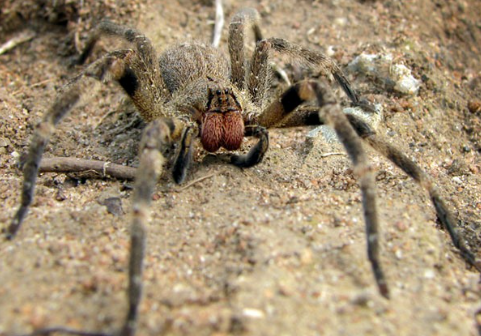
Wandering Spiders
Wandering Spiders are a diverse group of arachnids known for their active hunting behavior rather than building prey-catching webs. Unlike orb-weavers and other web-building spiders, wandering spiders roam across the ground, vegetation, trees, and structures searching for insects and other prey. This behavioral group includes several families, most notably Wolf Spiders (Lycosidae), Fishing Spiders (Pisauridae), and the medically significant Brazilian Wandering Spiders (Phoneutria spp.) of the family Ctenidae.
Most wandering spiders are beneficial predators that help control insect populations in gardens, agricultural fields, forests, and residential landscapes. However, some tropical species possess potent venom and are considered medically important. Because they actively move rather than remain hidden in webs, wandering spiders are often encountered by homeowners and outdoor enthusiasts.
Their adaptability, speed, and hunting efficiency make them among the most successful arachnid predators worldwide.
Taxonomy and Classification
- Kingdom: Animalia
- Phylum: Arthropoda
- Class: Arachnida
- Order: Araneae
Wandering spiders are a behavioral grouping rather than a single taxonomic family.
Important wandering spider families include:
- Lycosidae – Wolf Spiders
- Ctenidae – Wandering and Brazilian Wandering Spiders
- Pisauridae – Fishing and Nursery Web Spiders
- Sparassidae – Huntsman Spiders
Although these families differ significantly, they all share an active hunting lifestyle.
Identification
Wandering spiders vary greatly depending on species.
- Body Length: 10 mm to 50 mm.
- Leg Span: Up to 150 mm in larger species.
- Color: Brown, gray, black, tan, or mottled.
- Body Shape: Robust and muscular.
Key Identification Features
- Large, strong legs.
- Excellent vision.
- Fast movement.
- Lack of prey-catching webs.
- Active hunting behavior.
Many species rely on camouflage and blend into bark, leaf litter, rocks, and soil.
Brazilian Wandering Spider Identification
The genus Phoneutria contains some of the world’s most medically significant wandering spiders.
- Large body size.
- Leg span of 13 cm to 15 cm.
- Strong defensive behavior.
- Distinctive threat posture.
- Reddish hairs near the fangs.
When threatened, these spiders may rear up on their hind legs and raise their front legs into a striking position.
Distribution and Habitat
Wandering spiders occur on every continent except Antarctica.
Common habitats include:
- Forests.
- Grasslands.
- Agricultural fields.
- Gardens.
- Deserts.
- Wetlands.
- Urban environments.
Brazilian Wandering Spiders are native to Central and South America but occasionally appear outside their native range through imported produce shipments.
Life Cycle
Wandering spiders develop through a simple life cycle.
- Egg Stage: Eggs are enclosed within protective silk sacs.
- Spiderling Stage: Young spiders hatch and disperse.
- Juvenile Stage: Several molts occur before maturity.
- Adult Stage: Mature spiders hunt, reproduce, and establish territories.
Many species complete their life cycle within one to two years.
Feeding Habits
Wandering spiders are opportunistic predators.
- Crickets.
- Cockroaches.
- Flies.
- Moths.
- Beetles.
- Grasshoppers.
- Other spiders.
- Small vertebrates in larger species.
Most species rely on speed, stealth, and powerful venom to capture prey.
Damage and Economic Importance
Beneficial Predators
Wandering spiders provide valuable natural pest control.
- Reduce insect populations.
- Suppress agricultural pests.
- Support ecosystem balance.
- Limit pest outbreaks.
Many farmers consider them beneficial allies in integrated pest management programs.
Medical Importance
Most wandering spiders pose little threat to humans.
- Minor bites.
- Localized pain.
- Temporary swelling.
However, certain Phoneutria species possess medically significant venom requiring immediate medical attention.
Nuisance Concerns
Because they actively roam, wandering spiders are commonly encountered indoors.
- Garages.
- Basements.
- Storage sheds.
- Bathrooms.
- Warehouses.
Their large size often causes alarm despite their generally beneficial nature.
Behavior and Conflict
Active Hunting
Unlike web-building spiders, wandering spiders actively pursue prey.
- Search vegetation.
- Patrol ground surfaces.
- Ambush prey.
- Hunt primarily at night.
This behavior makes them highly effective predators.
Defensive Behavior
Most species prefer escape over confrontation.
- Rapid retreat.
- Camouflage.
- Threat displays.
Brazilian Wandering Spiders are unusual because they may aggressively defend themselves when cornered.
Produce Hitchhiking
Brazilian Wandering Spiders occasionally arrive in imported produce shipments.
- Banana shipments.
- Tropical fruit crates.
- Agricultural imports.
Although rare, these incidents receive significant media attention due to the spider’s reputation.
Signs of Presence
- Large spider sightings.
- No traditional web structures.
- Nighttime movement.
- Spider egg sacs.
- Molted exoskeletons.
Unlike web-building spiders, wandering spiders leave few obvious signs behind.
Management and Prevention
Integrated Pest Management (IPM) focuses on exclusion and habitat modification.
Exclusion
- Seal foundation cracks.
- Install door sweeps.
- Repair screens.
- Close utility gaps.
These measures prevent accidental indoor entry.
Habitat Modification
- Reduce clutter.
- Remove debris piles.
- Trim vegetation near buildings.
- Store firewood away from structures.
Reducing hiding places lowers spider activity around homes.
Physical Removal
- Capture and relocate.
- Use containers and release outdoors.
- Avoid direct handling.
Most wandering spiders can be safely relocated without harm.
Imported Produce Inspection
- Inspect banana shipments.
- Check tropical produce boxes.
- Avoid reaching blindly into cartons.
This is particularly important for warehouses, grocery stores, and import facilities.
Research and Future Studies
Scientists continue studying wandering spider venom, hunting behavior, vision systems, and ecological roles. Research involving Brazilian Wandering Spider venom has revealed compounds with potential pharmaceutical applications, while studies of wolf spiders and fishing spiders help improve understanding of natural pest suppression in agricultural ecosystems.
Additional research focuses on spider biodiversity, habitat conservation, and the impacts of urbanization on wandering spider populations.
Conclusion
Wandering spiders are highly effective predators that play an important role in controlling insect populations across a wide range of ecosystems. While most species are harmless and beneficial, some tropical wandering spiders, particularly those in the genus Phoneutria, possess medically significant venom and require caution. Understanding their behavior, identification, and ecological value allows people to coexist with these fascinating arachnids while minimizing unnecessary fear and conflict.