Overview
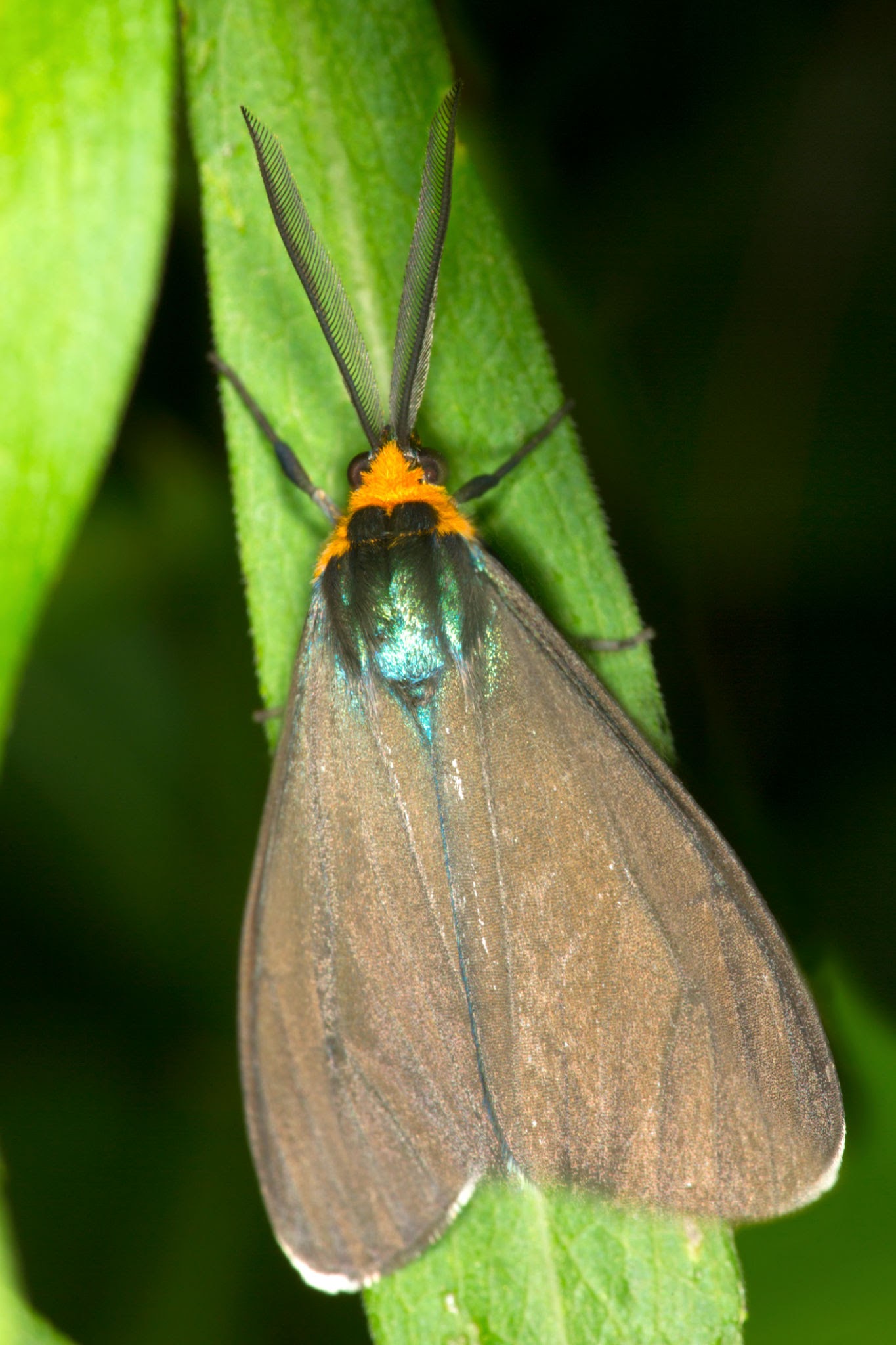
Virginia Moths most commonly refers to the Virginia Tiger Moth (Spilosoma virginica), a widespread North American moth known for its striking white appearance and its caterpillar stage, the Yellow Woolly Bear. While the adult moth is harmless and often attracted to lights at night, the caterpillar can become a nuisance in gardens, landscapes, and agricultural settings due to its broad appetite for vegetation.
The Yellow Woolly Bear is a highly adaptable feeder that consumes foliage from numerous plant species, including vegetables, ornamentals, herbs, weeds, and field crops. Although infestations rarely cause severe economic losses, large populations can produce noticeable defoliation and reduce the appearance and vigor of affected plants.
Taxonomy and Classification
The Virginia Tiger Moth belongs to the tiger moth group, a diverse collection of moths known for their colorful adults and hairy caterpillars.
- Kingdom: Animalia
- Phylum: Arthropoda
- Class: Insecta
- Order: Lepidoptera
- Family: Erebidae
- Subfamily: Arctiinae
- Genus: Spilosoma
- Species: Spilosoma virginica
Like all moths and butterflies, Virginia Tiger Moths undergo complete metamorphosis, progressing through egg, larva, pupa, and adult stages.
Physical Description
Adult Virginia Tiger Moth
Adult moths are attractive insects with a wingspan ranging from 35 to 45 millimeters.
- Color: Pure white wings
- Wingspan: 35–45 mm
- Body: White with rows of black spots on the abdomen
- Activity: Primarily nocturnal
- Attraction: Frequently attracted to outdoor lighting
The clean white coloration makes this species relatively easy to identify compared to many other tiger moths.
Yellow Woolly Bear Caterpillar
The larval stage is often more recognizable than the adult moth.
- Length: Up to 50 mm
- Color: Pale yellow, orange-yellow, tan, or brown
- Covering: Dense coat of long hairs
- Defense: Curls into a ball when disturbed
- Movement: Slow-moving crawler
The caterpillar’s fuzzy appearance often causes concern, but the hairs are generally not dangerous. However, sensitive individuals may experience mild skin irritation after handling them.
Distribution and Habitat
Virginia Tiger Moths are widely distributed throughout North America and are common across much of the United States and southern Canada.
They inhabit a variety of environments, including:
- Home gardens
- Vegetable plots
- Flower beds
- Agricultural fields
- Roadsides
- Meadows
- Pastures
- Nurseries
- Woodland edges
- Weedy vacant lots
Their adaptability to many habitats contributes to their widespread success.
Life Cycle
Egg Stage
Female moths lay clusters of eggs on suitable host plants. Eggs hatch within several days depending on temperature and environmental conditions.
Larval Stage
After hatching, caterpillars begin feeding immediately. The larval stage lasts several weeks and consists of multiple growth stages known as instars.
As they mature, the caterpillars consume increasingly larger amounts of foliage.
Pupal Stage
When fully developed, caterpillars construct cocoons using silk mixed with body hairs. Pupation occurs within these protective structures.
Adult Stage
Adult moths emerge from the cocoon, mate, and begin the cycle again. Depending on climate, one or more generations may occur each year.
Behavior and Feeding Habits
The Yellow Woolly Bear is considered highly polyphagous, meaning it feeds on many different plant species.
Host Plants
Common host plants include:
- Beans
- Corn
- Beets
- Cabbage
- Lettuce
- Spinach
- Tomatoes
- Sunflowers
- Asters
- Numerous weeds and wildflowers
This broad host range allows populations to persist even when preferred plants are unavailable.
Defensive Behavior
When threatened, caterpillars often curl into a tight ball, protecting their vulnerable body beneath their dense coat of hairs.
The hairs help discourage predators such as birds and small mammals.
Damage and Economic Importance
The primary damage caused by Virginia Tiger Moths occurs during the caterpillar stage.
Leaf Feeding
Caterpillars chew irregular holes in leaves and may consume large portions of foliage when populations are high.
Common symptoms include:
- Ragged leaf margins
- Irregular holes
- Partial defoliation
- Reduced plant vigor
- Damaged ornamental appearance
Agricultural Impact
Although considered a minor agricultural pest compared to armyworms or cutworms, Yellow Woolly Bears occasionally reach densities capable of damaging vegetable crops and field plantings.
Most infestations remain localized and rarely justify extensive chemical treatment.
Landscape Impact
In ornamental gardens, feeding injury can reduce the aesthetic value of flowers and shrubs, particularly when numerous caterpillars are present.
Natural Enemies
Virginia Tiger Moths are naturally regulated by numerous predators and parasites.
- Birds
- Ground beetles
- Predatory bugs
- Parasitic wasps
- Parasitic flies
- Spiders
These natural enemies help prevent most populations from reaching outbreak levels.
Management and Control (IPM)
Monitoring
Regular inspection of susceptible plants allows early detection before significant feeding damage occurs.
Hand Removal
For small gardens, manually removing caterpillars is highly effective.
- Wear gloves if skin sensitivity is a concern
- Place caterpillars into soapy water
- Inspect plants regularly during feeding periods
Biological Control
Bacillus thuringiensis (Bt) is one of the most effective biological controls.
- Targets caterpillars specifically
- Safe for most beneficial insects
- Works best on young larvae
- Requires ingestion to be effective
Cultural Practices
- Remove weeds that may serve as host plants
- Maintain plant health
- Encourage natural predators
- Avoid unnecessary insecticide applications
Chemical Control
Chemical treatment is rarely necessary. Most infestations can be managed through monitoring, hand removal, and biological controls.
Ecological Importance
Despite occasionally being considered pests, Virginia Tiger Moths contribute to local ecosystems.
Adults serve as food for bats and nocturnal predators, while caterpillars provide resources for parasitoids and insect-eating wildlife.
The species also serves as an important component of native food webs across North America.
Conclusion
Virginia Tiger Moths are common North American insects whose Yellow Woolly Bear caterpillars feed on a wide range of plants. Although capable of causing noticeable defoliation in gardens and ornamental landscapes, they rarely produce severe economic damage. Early monitoring, hand removal, biological controls such as Bt, and encouragement of natural predators are typically sufficient to manage populations while maintaining ecological balance.