Overview
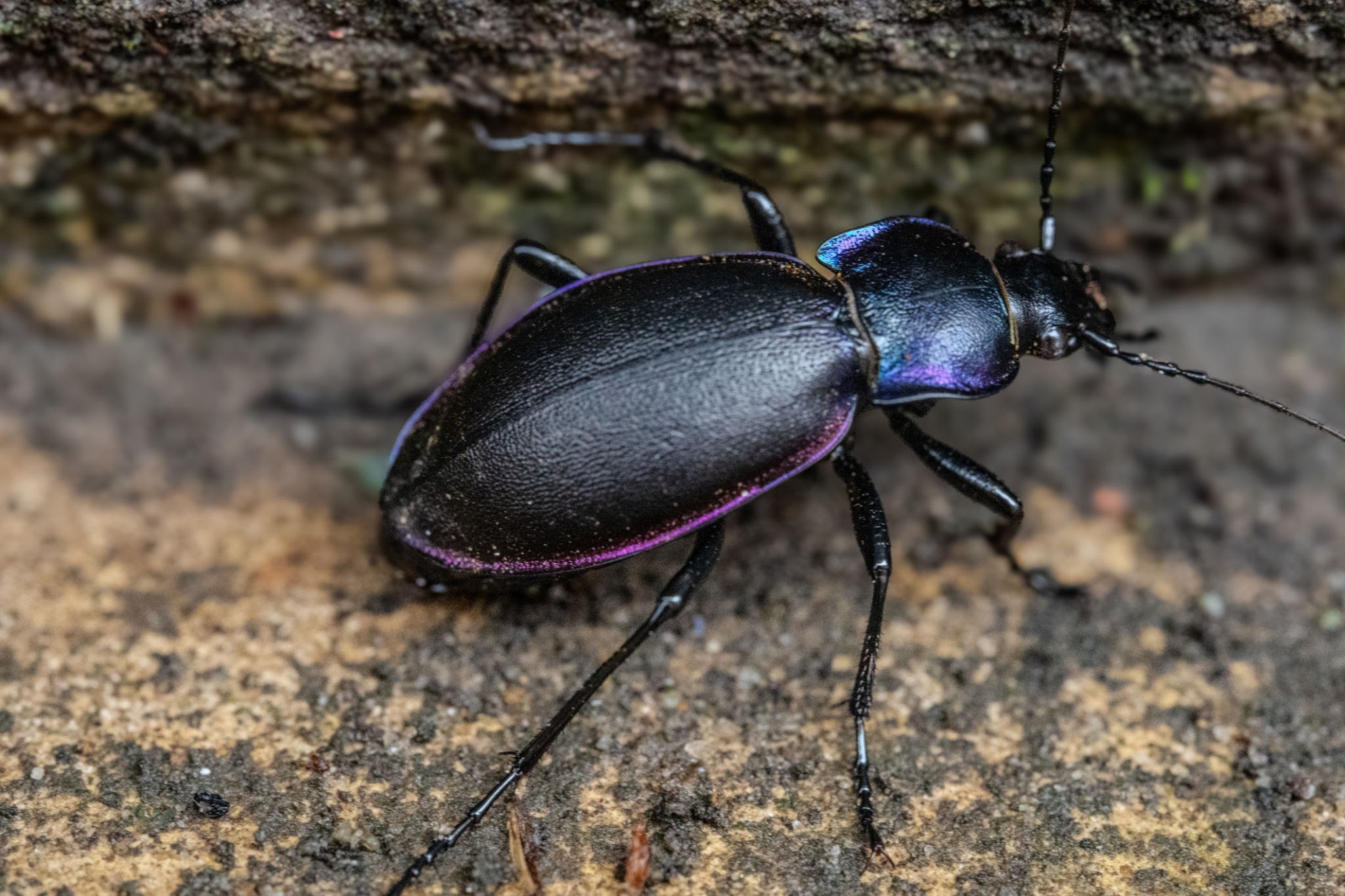
Violet Beetles, most commonly referring to the Violet Oil Beetle (Meloe violaceus), are striking members of the blister beetle family known for their metallic blue-violet coloration and unusual life cycle. Despite their attractive appearance, these beetles are best known for producing cantharidin, a powerful defensive chemical that can cause painful skin blistering in humans and toxicity in animals.
Violet Oil Beetles are beneficial and fascinating insects that play a complex role in ecosystems. Their larvae develop as parasites of solitary ground-nesting bees, while adults feed on plant material. Although they rarely reach pest status in traditional agricultural settings, their chemical defenses and potential impacts on native pollinator populations make them important insects to understand.
Taxonomy and Classification
- Kingdom: Animalia
- Phylum: Arthropoda
- Class: Insecta
- Order: Coleoptera
- Family: Meloidae
- Genus: Meloe
- Species: Meloe violaceus
Violet Oil Beetles belong to the blister beetle family, a group famous for producing cantharidin. Like many blister beetles, they undergo a highly specialized developmental process known as hypermetamorphosis, where larvae pass through dramatically different life stages.
Physical Description
Adult Violet Oil Beetles range from 10 to 35 millimeters in length and are among the largest blister beetles found in many regions.
Key Identification Features
- Metallic Coloration: Deep violet, blue-violet, or black-blue body with a shiny appearance.
- Large Abdomen: Swollen abdomen that often extends beyond the shortened wing covers.
- Reduced Elytra: Short forewings that do not completely cover the abdomen.
- Soft Body: Less heavily armored than many other beetles.
- Slow Movement: Adults move slowly across vegetation and open ground.
Females are generally larger than males and possess particularly swollen abdomens filled with eggs during the reproductive season.
Distribution and Habitat
Violet Oil Beetles occur throughout much of Europe, North Africa, and parts of western Asia. They are typically associated with habitats that support healthy populations of solitary ground-nesting bees.
Common habitats include:
- Grasslands
- Meadows
- Roadside vegetation
- Field margins
- Pastures
- Open woodland clearings
Adults are most commonly observed during spring and early summer when they emerge to feed and reproduce.
Life Cycle
Egg Stage
Females lay thousands of eggs in soil near suitable habitats. The large number of eggs compensates for the low survival rate of developing larvae.
Triungulin Larvae
The first larval stage, called a triungulin, is highly mobile and actively searches for bee hosts.
These tiny larvae often climb flowers and wait for solitary bees to visit. They attach themselves to visiting bees and are transported back to the nest.
Bee Nest Development
Once inside the bee nest, larvae consume stored pollen provisions and may also feed on bee eggs or developing larvae. This parasitic lifestyle allows them to complete development in a protected environment.
Pupation and Adult Emergence
After several developmental stages, pupation occurs underground. Adults emerge the following season to continue the cycle.
Behavior and Ecology
Reflex Bleeding Defense
When threatened, Violet Oil Beetles engage in a behavior known as reflex bleeding. Yellowish droplets containing cantharidin are released from leg joints and other body openings.
This chemical defense discourages predators and can cause irritation to human skin.
Feeding Habits
Adult beetles feed primarily on:
- Leaves
- Flower petals
- Tender plant growth
- Various herbaceous plants
Although feeding damage is usually minor, large numbers may occasionally affect ornamental plants.
Pollinator Association
The beetle’s life cycle is closely tied to solitary bee populations. Areas with abundant native bees often support healthy Violet Oil Beetle populations.
Damage and Economic Importance
Human Health Concerns
The primary concern associated with Violet Oil Beetles is their cantharidin-based defense.
Contact with the defensive fluid may result in:
- Skin irritation
- Redness
- Painful blisters
- Inflammation
- Eye irritation if transferred accidentally
Handling these beetles without protection is not recommended.
Livestock Risk
Cantharidin remains toxic even after the beetle dies. In some regions, accidental contamination of hay with blister beetles has resulted in poisoning of livestock, particularly horses.
Symptoms of cantharidin poisoning may include:
- Digestive irritation
- Colic
- Kidney damage
- Severe illness or death in extreme cases
Impact on Native Bees
The larval stage can reduce reproductive success of solitary bees by consuming bee eggs and pollen stores. However, these interactions are part of natural ecological systems and rarely threaten healthy bee populations.
Signs of Violet Oil Beetle Activity
- Large metallic blue-violet beetles crawling on vegetation
- Slow-moving adults in meadows or grasslands
- Beetles releasing yellow oily droplets when disturbed
- Presence in areas with abundant wildflowers and solitary bees
Management and Prevention
Avoid Direct Contact
The most effective management strategy is simple avoidance.
- Do not handle beetles with bare hands.
- Wear gloves when working in areas where they are present.
- Wash skin immediately after accidental contact.
Protect Livestock Feed
In agricultural settings:
- Inspect hay before feeding.
- Monitor fields for blister beetle activity.
- Avoid harvesting heavily infested forage.
Education and Awareness
Many people mistake Violet Oil Beetles for dangerous pests. Understanding their role in the environment helps prevent unnecessary pesticide use and supports conservation of beneficial insect communities.
Ecological Importance
Despite their defensive chemistry, Violet Oil Beetles are important components of grassland ecosystems. They contribute to biodiversity and serve as prey for specialized predators capable of tolerating cantharidin.
Their presence often indicates healthy habitats that support diverse populations of native pollinators and flowering plants.
Conclusion
Violet Beetles, particularly the Violet Oil Beetle (Meloe violaceus), are remarkable insects known for their metallic coloration, unusual parasitic life cycle, and powerful chemical defenses. While they can cause painful skin blistering through contact with cantharidin and occasionally pose risks to livestock, they are generally not serious agricultural pests. Proper identification, avoidance of handling, and awareness of their ecological role are the best approaches for safely coexisting with these fascinating beetles.