Overview
Vineyard Snails, particularly the Brown Garden Snail (Cornu aspersum), are important mollusk pests in vineyards, orchards, nurseries, and vegetable production systems. Unlike insect pests, snails belong to the phylum Mollusca and rely on moist conditions to remain active. They feed on leaves, shoots, fruit, and other plant tissues, causing both direct crop damage and contamination issues.
In commercial vineyards, Vineyard Snails are especially problematic because they not only consume foliage and ripening grapes but also contaminate harvested fruit with shells, slime, and debris. Large infestations can interfere with harvesting operations, reduce crop quality, and increase processing costs. Their ability to hide during the day and survive unfavorable conditions makes them persistent agricultural pests.
Taxonomy and Classification
Vineyard Snails are terrestrial gastropod mollusks rather than insects.
- Kingdom: Animalia
- Phylum: Mollusca
- Class: Gastropoda
- Order: Stylommatophora
- Family: Helicidae
- Genus: Cornu
- Species: Cornu aspersum
Several other snail species may also be encountered in vineyards, but the Brown Garden Snail is among the most widespread and economically significant.
Physical Description
Adult Snails
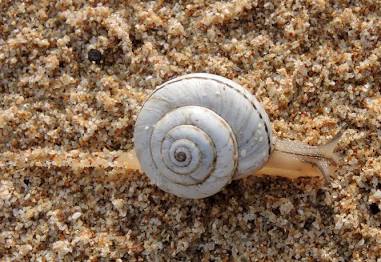
Adult Vineyard Snails possess a soft, muscular body protected by a hard external shell.
- Shell Width: 20–45 mm
- Color: Brown, tan, or mottled yellow-brown
- Body: Soft, grayish to brown
- Movement: Glides using muscular contractions and mucus
- Tentacles: Two pairs, including eye-bearing upper tentacles
The spiral shell provides protection from predators and environmental stress.
Key Identification Features
- Coiled shell
- Silvery slime trails
- Nocturnal activity
- Large irregular feeding damage
- Presence on grape clusters and vine trunks
Snails are most easily detected during cool, damp weather or shortly after irrigation.
Distribution and Habitat
Vineyard Snails occur worldwide in temperate, Mediterranean, and coastal climates.
They are especially common in:
- Commercial vineyards
- Orchards
- Vegetable farms
- Home gardens
- Nurseries
- Parks and landscapes
Preferred hiding locations include:
- Leaf litter
- Dense groundcover
- Weedy areas
- Under irrigation systems
- Beneath rocks and boards
- Under vine posts
- Inside bark crevices
High humidity and abundant shelter promote population growth.
Life Cycle
Egg Stage
Adult snails are hermaphrodites, meaning each individual possesses both male and female reproductive organs.
After mating, eggs are deposited in moist soil.
- Egg Color: White to translucent
- Location: Underground chambers
- Quantity: Dozens of eggs per clutch
Juvenile Stage
Young snails emerge with small translucent shells and immediately begin feeding.
Growth continues through gradual shell expansion.
Adult Stage
Adults may survive several years under favorable conditions.
Population growth is often greatest during cool, wet seasons.
Behavior and Feeding Habits
Nocturnal Activity
Most feeding occurs at night or during periods of high humidity.
During hot, dry weather, snails retreat to sheltered locations to avoid dehydration.
Estivation
In dry conditions, Vineyard Snails may enter a dormant state known as estivation.
During this period they:
- Reduce metabolic activity
- Seal shell openings with mucus
- Remain inactive for extended periods
- Resume activity when moisture returns
Feeding Preferences
Snails consume a wide range of plant materials.
Common targets include:
- Young grape leaves
- Tender shoots
- Ripening grapes
- Vegetable crops
- Ornamental plants
- Seedlings
- Groundcover vegetation
Damage and Economic Importance
Foliage Damage
Snails chew large irregular holes in leaves and young shoots.
Symptoms include:
- Missing leaf tissue
- Ragged feeding scars
- Reduced photosynthesis
- Damaged new growth
Fruit Damage
Ripening grapes are particularly vulnerable.
Snails may:
- Feed directly on berries
- Create wounds that invite disease
- Reduce fruit quality
- Increase rot development
Contamination Issues
The most serious vineyard concern is contamination.
Harvested grapes may contain:
- Live snails
- Dead snails
- Shell fragments
- Slime trails
- Fecal material
Contamination can result in rejected loads, lower product quality, and increased processing costs.
Machinery Interference
Large snail populations may clog harvesting equipment and processing machinery, creating operational challenges during harvest.
Signs of Infestation
Common indicators include:
- Silvery mucus trails
- Chewed leaves
- Damaged grape clusters
- Visible snails on vines
- Shell accumulations
- Nighttime feeding activity
- Snails beneath debris or irrigation equipment
Night inspections often reveal infestations more effectively than daytime scouting.
Natural Enemies
Numerous predators help suppress Vineyard Snail populations.
- Ground beetles
- Birds
- Ducks
- Chickens
- Lizards
- Toads
- Predatory snails
- Small mammals
Encouraging natural predators can contribute to long-term management.
Management and Control (IPM)
Monitoring
Regular scouting is essential, especially following irrigation or rainfall.
- Inspect vines at night
- Check hiding locations
- Monitor slime trails
- Record population levels
Sanitation
Reducing shelter helps lower snail populations.
- Remove debris
- Control weeds
- Reduce groundcover
- Eliminate unnecessary hiding sites
Physical Control
Manual removal can be effective in smaller vineyards and gardens.
- Hand-pick snails
- Use traps
- Remove egg masses
- Destroy collected snails
Copper Barriers
Copper strips or barriers provide effective exclusion.
When snails contact copper, a reaction occurs with their mucus that discourages movement across the barrier.
Baiting Programs
Baits remain one of the most effective management tools.
- Iron Phosphate: Reduced-risk option commonly used in gardens and vineyards
- Metaldehyde: Effective bait requiring careful application according to label directions
Baits should be applied before populations reach damaging levels.
Cultural Practices
- Improve air circulation
- Manage irrigation carefully
- Reduce excessive moisture
- Maintain clean vineyard floors
- Prune vegetation that creates shelter
Research and Future Management
Current research focuses on improving sustainable snail management while reducing reliance on conventional pesticides.
Areas of study include:
- Biological control agents
- Predatory snail species
- Enhanced bait formulations
- Precision monitoring systems
- Habitat management strategies
- Integrated vineyard pest management programs
Many vineyard managers now combine sanitation, habitat modification, biological control, and baiting to achieve long-term suppression.
Conclusion
Vineyard Snails are significant pests of grapes, vegetables, and ornamental plants. Their feeding damages foliage and fruit, while their slime trails, shells, and contamination of harvested grapes can create serious economic problems for vineyard operations. Effective management depends on integrated pest management strategies that combine monitoring, sanitation, habitat modification, physical barriers, natural enemies, and properly timed bait applications. Maintaining dry, clean vineyard conditions remains one of the most effective methods for reducing snail populations and preventing crop losses.