Overview
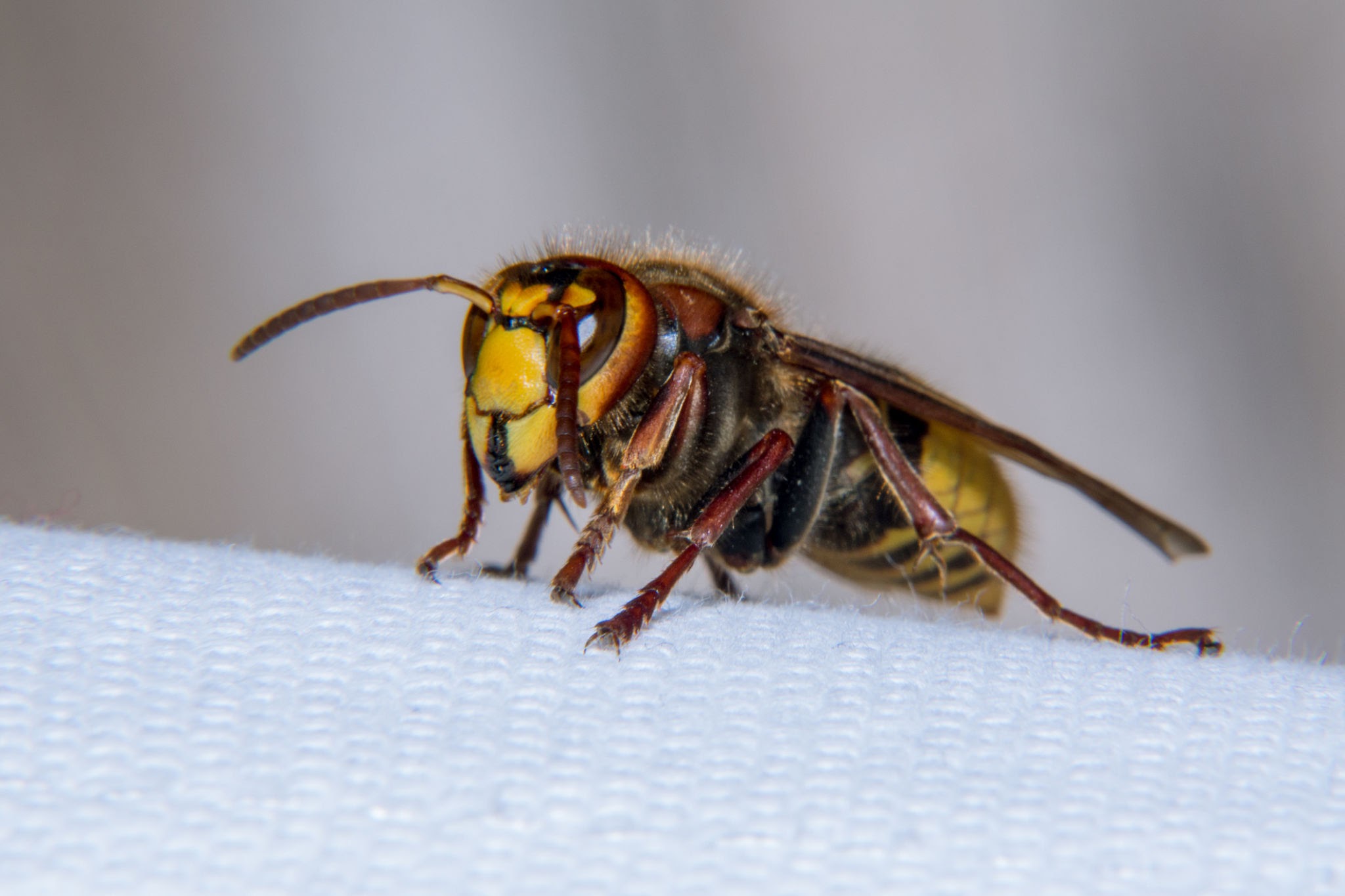
Vespa Hornets are large social wasps belonging to the genus Vespa, which includes some of the world’s largest and most recognizable hornet species. Notable members include the European Hornet (Vespa crabro), the Asian Giant Hornet (Vespa mandarinia), and the Yellow-legged Hornet (Vespa velutina). These insects are important predators in natural ecosystems, helping regulate populations of other insects. However, some species can become significant pests due to their painful stings, aggressive nest defense, and predation on honey bees.
Hornets are highly organized social insects that live in colonies headed by a queen. Workers forage for food, defend the nest, and care for developing larvae. While most hornet species only become problematic when nests are located near human activity, invasive species have created serious concerns for agriculture, beekeeping, and public safety in several parts of the world.
Taxonomy and Classification
- Kingdom: Animalia
- Phylum: Arthropoda
- Class: Insecta
- Order: Hymenoptera
- Family: Vespidae
- Genus: Vespa
Hornets are closely related to yellowjackets and paper wasps. Unlike solitary wasps, hornets are eusocial insects that form large colonies with specialized worker and reproductive castes.
Physical Description
Adult hornets range from 25 to 55 millimeters in length, depending on the species and caste.
Key Identification Features
- Large Body Size: Considerably larger than most common wasps.
- Powerful Mandibles: Used for chewing prey and nest materials.
- Distinctive Coloration: Typically combinations of black, brown, yellow, orange, or reddish markings.
- Narrow Waist: Characteristic of wasps.
- Repeated Stinging Ability: Females possess smooth stingers that can be used multiple times.
The Asian Giant Hornet is the largest hornet species in the world, with queens exceeding two inches in length and possessing an exceptionally large orange head.
Distribution and Habitat
Species within the genus Vespa occur naturally across Europe, Asia, and parts of the Middle East. Some species have expanded beyond their native range through accidental introductions.
Common habitats include:
- Forests
- Woodlands
- Agricultural areas
- Parks
- Urban landscapes
- Suburban neighborhoods
Nests may be constructed in tree cavities, wall voids, underground burrows, attics, sheds, and dense vegetation.
Life Cycle
Spring Colony Establishment
A fertilized queen emerges from winter shelter and begins constructing a small paper nest. She lays the first batch of eggs and raises the initial worker generation herself.
Summer Expansion
Worker hornets assume responsibility for nest construction, defense, and food collection. Colonies grow rapidly and may contain hundreds or even thousands of individuals.
Reproductive Phase
Late in the season, the colony produces new queens and males. After mating, new queens seek protected locations for overwintering.
Colony Decline
Workers, males, and the original queen typically die as temperatures drop. Only fertilized queens survive the winter.
Behavior and Ecology
Predatory Feeding
Hornets are effective predators that capture a wide variety of insects, including:
- Flies
- Caterpillars
- Grasshoppers
- Beetles
- Yellowjackets
- Honey bees
Captured prey is often chewed into protein-rich food for developing larvae.
Nest Defense
Hornets aggressively defend their nests when disturbed. Defensive behavior increases as colony size grows and is most intense during late summer and early autumn.
Communication
Colony members communicate using pheromones and behavioral signals. Alarm pheromones released during attacks can rapidly recruit additional defenders.
Damage and Economic Importance
Public Health Concerns
Hornet stings are extremely painful and may cause:
- Localized swelling
- Redness
- Burning sensations
- Allergic reactions
- Anaphylaxis in sensitive individuals
Large colonies located near homes, schools, parks, or businesses can pose a significant safety risk.
Impact on Honey Bees
Several invasive hornet species are serious predators of honey bees. Workers attack colonies, kill adult bees, and remove brood for food.
Heavy predation can weaken colonies, reduce pollination services, and cause substantial economic losses for beekeepers.
Agricultural Impact
Although hornets provide beneficial insect control, invasive species may disrupt pollinator populations and negatively affect agricultural production.
Signs of Hornet Activity
- Large flying wasps near structures
- Visible paper nests
- Increased insect activity around trees or rooflines
- Hornets entering and leaving a single location repeatedly
- Predation on honey bee colonies
Locating the nest is often the most important step in assessing the severity of a hornet problem.
Management and Control (IPM)
Monitoring
Regular surveillance is important, especially in regions where invasive hornet species have been detected.
- Visual inspections
- Monitoring traps
- Citizen reporting programs
- Apiary inspections
Nest Removal
Large hornet nests should be removed only by trained professionals equipped with appropriate protective gear.
Attempting to destroy an active nest without proper equipment can result in multiple stings.
Exclusion
- Seal wall voids and entry points
- Repair damaged screens
- Maintain building exteriors
- Remove abandoned cavities suitable for nesting
Protection of Honey Bees
- Monitor apiaries regularly
- Install protective barriers where appropriate
- Report invasive hornet sightings immediately
- Use approved trapping programs when recommended by authorities
Natural Enemies
Hornets face predation from:
- Birds
- Mammals
- Praying mantises
- Parasitic insects
- Certain reptiles
However, their colony defense systems make them challenging prey for most predators.
Ecological Importance
Despite their reputation, hornets provide valuable ecological services. They help regulate insect populations and contribute to ecosystem balance. Native hornet species are generally beneficial predators and should only be controlled when they pose a direct risk to people or property.
Conclusion
Vespa Hornets are among the largest and most powerful social wasps in the world. While they play important ecological roles as predators, their painful stings, aggressive nest defense, and potential impact on honey bee colonies make them significant pests in certain situations. Early detection, proper identification, and professional nest management are essential for minimizing risks while preserving the ecological benefits provided by native hornet species.