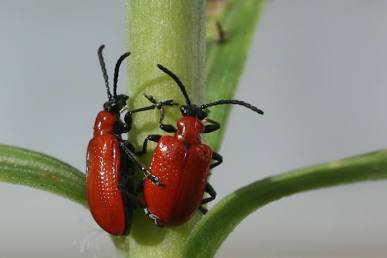
Overview
Vervain Leaf Beetles are herbivorous beetles that feed primarily on plants in the genus Verbena, commonly known as vervain. These insects belong to the leaf beetle family Chrysomelidae and are known for their ability to cause defoliation of both wild and cultivated vervain species. While populations are often kept in check by natural predators, periodic outbreaks can result in significant foliage loss, reduced flowering, and weakened plant vigor.
Vervain species are popular ornamental plants and important nectar sources for pollinators, making damage from these beetles particularly noticeable in gardens, landscapes, native plant restorations, and pollinator habitats. Both larvae and adults feed on foliage, creating a double wave of damage throughout the growing season.
Taxonomy and Classification
- Kingdom: Animalia
- Phylum: Arthropoda
- Class: Insecta
- Order: Coleoptera
- Family: Chrysomelidae
- Common Name: Vervain Leaf Beetle
Several species of leaf beetles may feed on vervain plants, with members of the genus Calligrapha among the most commonly associated species. These beetles are closely related to numerous other foliage-feeding beetles that attack ornamental and agricultural crops.
Identification
Adult Vervain Leaf Beetles are small to medium-sized beetles measuring approximately 6 to 10 millimeters in length.
Adult Beetles
- Color: Metallic green, bronze, silver, cream, or brown depending on species.
- Wing Covers: Often decorated with intricate black, green, or metallic markings.
- Shape: Oval and slightly domed.
- Movement: Slow-moving but capable of flight.
Many species possess beautiful calligraphy-like patterns on their wing covers, making them among the more visually distinctive leaf beetles.
Larvae
- Soft-bodied and grub-like.
- Pale yellow, green, or cream-colored.
- Dark spots may occur along the sides.
- Usually found feeding on leaf undersides.
Damage Symptoms
- Irregular chewing holes.
- Skeletonized leaves.
- Damaged flower buds.
- Defoliation of entire stems.
- Reduced flowering.
Distribution and Habitat
Vervain Leaf Beetles occur throughout much of North America wherever suitable host plants are present.
Common habitats include:
- Native prairies
- Wildflower meadows
- Pollinator gardens
- Home landscapes
- Roadside plantings
- Nurseries
- Restoration projects
They are most abundant during warm weather when host plants are actively growing.
Host Plants
These beetles primarily attack plants in the Verbena family.
Common hosts include:
- Blue Vervain (Verbena hastata)
- Hoary Vervain (Verbena stricta)
- Purpletop Vervain (Verbena bonariensis)
- Garden Verbena varieties
- Ornamental Verbena hybrids
Occasionally, related plants may also be utilized when preferred hosts are scarce.
Life Cycle
Egg Stage
Females deposit clusters of eggs on leaves, stems, or near suitable host plants. Eggs are typically laid on the undersides of leaves where they are protected from predators and weather.
Larval Stage
After hatching, larvae begin feeding immediately. This stage is responsible for significant foliage damage as the insects consume leaf tissue to support rapid growth.
Pupal Stage
Mature larvae drop to the soil or hide beneath plant debris to pupate.
Adult Stage
Adults emerge and continue feeding on foliage while seeking mates and laying eggs. Depending on climate, one to several generations may occur each year.
Damage and Economic Importance
Leaf Damage
Both larvae and adults chew leaf tissue, producing irregular holes and skeletonized foliage.
Heavy infestations may leave only major leaf veins intact.
Flower Damage
Adults often feed on developing flower buds and blossoms.
This can reduce flowering and limit nectar production for pollinators.
Reduced Plant Vigor
Repeated defoliation reduces photosynthesis and forces plants to expend energy replacing lost foliage.
Severely affected plants may become stunted or less tolerant of drought and heat stress.
Landscape Impact
In ornamental settings, damage significantly reduces the visual appeal of flowering displays and pollinator gardens.
Signs of Infestation
- Chewed leaves with irregular holes.
- Skeletonized foliage.
- Visible metallic beetles on leaves.
- Larvae feeding on leaf undersides.
- Damaged flower spikes.
- Premature leaf drop.
Management and Control (IPM)
Monitoring
Regular inspection of vervain plants allows early detection before populations become severe.
Pay particular attention during spring and early summer when larvae are most active.
Hand Removal
Small infestations can often be managed by hand-picking adults and larvae.
Early morning is usually the best time, as beetles are less active.
Encourage Natural Enemies
Many predators help suppress populations naturally.
- Lady beetles
- Ground beetles
- Assassin bugs
- Spiders
- Parasitic wasps
- Birds
Neem Oil
Neem-based products may discourage feeding and reproduction while having less impact on beneficial insects when used properly.
Spinosad Applications
Spinosad products can be effective against larvae and adults when infestations become severe. Applications should be timed to avoid pollinator activity.
Soil Cultivation
Light cultivation around host plants may expose pupae to predators and environmental conditions.
Prevention
- Inspect plants regularly.
- Remove heavily infested foliage.
- Maintain healthy plants.
- Encourage beneficial insects.
- Avoid excessive nitrogen fertilization.
- Promote plant diversity in landscapes.
Ecological Importance
Although they can be pests, Vervain Leaf Beetles are part of native food webs and provide prey for numerous birds, insects, and other wildlife. Their populations are normally regulated by natural ecological interactions, with outbreaks occurring only under favorable environmental conditions.
Conclusion
Vervain Leaf Beetles are specialized foliage feeders that can significantly impact vervain and ornamental verbena plantings when populations become abundant. Both adults and larvae contribute to defoliation, flower damage, and reduced plant vigor. Through regular monitoring, encouragement of natural predators, and selective integrated pest management strategies, gardeners and landscapers can effectively manage infestations while preserving beneficial insects and pollinator habitats.