Overview
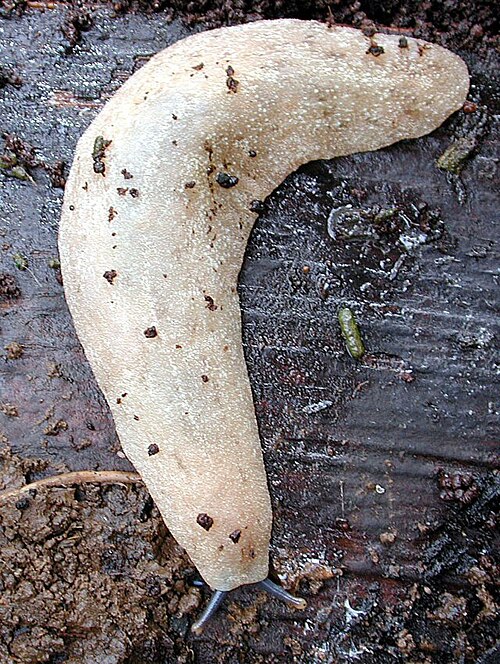
Veronicellid Slugs, commonly known as Leatherleaf Slugs, are terrestrial gastropods in the family Veronicellidae. These slugs are important agricultural and garden pests in tropical and subtropical regions, where warm temperatures and high moisture allow populations to grow quickly. Unlike many common garden slugs, Veronicellid slugs have a smooth, flattened, leathery body and lack a visible external shell.
These slugs feed on a wide range of crops, ornamentals, seedlings, fruits, and nursery plants. Their feeding causes ragged holes, slime contamination, plant collapse, and reduced marketability. In humid regions, they can become especially difficult to manage because they hide during the day and feed heavily at night.
Taxonomy and Classification
- Kingdom: Animalia
- Phylum: Mollusca
- Class: Gastropoda
- Family: Veronicellidae
- Common Name: Leatherleaf Slugs
Veronicellid slugs are not insects. They are mollusks, related to snails and other slugs. Their smooth, shell-less body and leathery mantle help distinguish them from many common garden slugs.
Identification
Adult Veronicellid slugs are usually medium to large, often measuring 4 to 10 centimeters long depending on species and maturity.
- Body Texture: Smooth, leathery, and flattened.
- Color: Brown, gray, tan, blackish, or mottled.
- Shape: Broad, oval, and leaf-like when resting.
- Head: Retractable beneath the front edge of the body.
- Slime Trail: Shiny mucus trails may be visible on soil, pots, leaves, or hard surfaces.
Unlike some slugs, Veronicellid slugs often appear wider and flatter, with a tough dorsal surface that helps them tolerate brief dry periods better than softer-bodied slugs.
Distribution and Habitat
Veronicellid slugs are most common in tropical and subtropical regions. In the United States, they are most often associated with warm, humid areas such as Hawaii, Florida, Gulf Coast regions, and greenhouse environments.
Common habitats include:
- Vegetable gardens
- Nurseries
- Greenhouses
- Ornamental beds
- Compost piles
- Mulched landscapes
- Moist field margins
- Under boards, stones, pots, and debris
They thrive where moisture, shade, and organic matter are abundant.
Host Plants
Veronicellid slugs are broad generalist feeders.
Commonly damaged plants include:
- Lettuce
- Cabbage
- Beans
- Tomatoes
- Peppers
- Seedlings
- Root vegetables
- Citrus
- Papaya
- Hibiscus
- Ornamental bedding plants
Life Cycle
Veronicellid slugs are hermaphroditic, meaning each individual has both male and female reproductive organs. This allows populations to increase quickly when conditions are favorable.
Egg Stage
Eggs are laid in moist soil, under debris, or in protected organic matter. Egg masses are usually hidden and difficult to detect.
Juvenile Stage
Young slugs hatch as small versions of adults and begin feeding immediately.
Adult Stage
Adults feed, mate, and lay eggs repeatedly under warm, humid conditions. Multiple generations may occur each year in tropical climates.
Damage and Economic Importance
Veronicellid slugs damage plants with a rasping mouthpart called a radula. Feeding injury often appears as irregular holes or scraped patches.
Plant Damage
- Large ragged holes in leaves
- Chewed seedlings
- Damaged fruits and vegetables
- Stem injury near soil level
- Plant collapse in young crops
Contamination
Slime trails, feces, and slug presence can contaminate produce, reducing marketability and creating food safety concerns.
Nursery and Greenhouse Impact
In nurseries, Veronicellid slugs can damage young plants, bedding plants, and container crops. Even minor feeding may make plants unsellable.
Public Health Concerns
In some regions, Veronicellid slugs may serve as intermediate hosts for parasites such as rat lungworm, Angiostrongylus cantonensis. This makes sanitation especially important around edible crops.
Gardeners should avoid handling slugs with bare hands and should thoroughly wash produce from areas where slugs are active.
Signs of Infestation
- Slime trails on leaves, soil, pots, or walls
- Ragged holes in foliage
- Seedlings clipped or collapsed overnight
- Slug activity after rain or irrigation
- Slugs hiding beneath pots, boards, mulch, or debris
Management and Control (IPM)
Moisture Reduction
Because these slugs depend on moisture, reducing damp hiding sites is essential.
- Improve drainage
- Avoid overwatering
- Water early in the day
- Reduce dense mulch near plants
Habitat Modification
- Remove boards, stones, and debris
- Thin dense groundcover
- Keep garden edges clean
- Elevate pots and containers
Hand Collection
Nighttime hand-picking is effective in small gardens. Use gloves or tongs and dispose of slugs safely.
Baits
Iron phosphate slug baits are commonly used in gardens and landscapes. Apply according to label directions, especially after rain or irrigation.
Barriers
- Copper tape around raised beds or pots
- Diatomaceous earth in dry protected areas
- Physical collars around seedlings
Sanitation Around Edibles
Wash vegetables carefully, remove slug-damaged produce, and keep harvest areas clean to reduce contamination risks.
Prevention
- Inspect nursery plants before purchase
- Reduce mulch depth
- Keep compost piles away from crop beds
- Remove hiding sites
- Monitor after rain
- Use baiting programs before populations surge
Conclusion
Veronicellid Slugs are serious moisture-loving pests of vegetables, ornamentals, nurseries, and tropical landscapes. Their leathery bodies, broad host range, rapid reproduction, and nighttime feeding habits make them difficult to manage once populations become established. Effective control depends on reducing moisture, removing hiding places, monitoring at night, using barriers, and applying slug baits strategically. In areas where parasite transmission is a concern, safe handling and careful washing of produce are especially important.