Overview
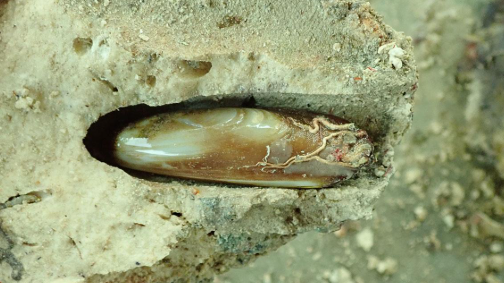
Venerid Clam Borers are a group of marine shell-boring organisms that attack clams, oysters, mussels, and other bivalves in coastal ecosystems and aquaculture operations. Rather than representing a single species, the term generally refers to various organisms—including boring sponges, polychaete worms, and specialized mollusks—that penetrate calcium carbonate shells for shelter and protection.
These pests are of particular concern in shellfish farming, mariculture facilities, and natural clam beds where infestations can weaken shells, reduce growth rates, increase mortality, and lower the commercial value of harvested shellfish. In severe infestations, shell integrity may be compromised to the point that affected clams become highly vulnerable to predators, diseases, and environmental stress.
Because many clam borers remain concealed within shells throughout much of their life cycle, infestations often go unnoticed until significant damage has already occurred.
Taxonomy and Classification
Venerid clam borers are not a single taxonomic group. Instead, they include multiple marine organisms that share the ability to bore into shells.
- Phylum: Mollusca, Annelida, and Porifera (depending on species)
- Common Groups: Boring sponges, polychaete worms, and shell-boring bivalves
- Habitat: Marine and estuarine environments
- Primary Hosts: Clams, oysters, mussels, scallops, and other shellfish
Many species use a combination of chemical dissolution and mechanical abrasion to penetrate calcium carbonate shells.
Identification
Signs of Infestation
Most clam borers remain hidden within shells, making direct observation difficult. However, several external symptoms can indicate infestation:
- Small circular holes in shells
- Visible tunnels beneath shell surfaces
- Pitted or eroded shell areas
- Shell deformities
- Thin, brittle shell walls
- Discolored shell surfaces
Boring Sponges
Boring sponges often create networks of tiny holes that give shells a honeycomb-like appearance. Bright yellow, orange, or green sponge tissue may sometimes be visible.
Polychaete Worms
Marine worms create narrow tunnels within shells and may leave small openings where feeding appendages extend into the water column.
Boring Mollusks
Some specialized clams and bivalves physically grind into shell or rock surfaces using ridged shell structures and muscular movements.
Distribution and Habitat
Venerid clam borers are found worldwide in marine and estuarine environments.
They are especially common in:
- Shellfish aquaculture operations
- Natural clam beds
- Oyster reefs
- Coastal lagoons
- Estuaries
- Marinas and harbors
- Rocky shorelines
Warm coastal waters with high biological productivity often support larger populations of shell-boring organisms.
Life Cycle
The life cycle varies considerably depending on the organism involved.
Larval Settlement
Most species begin as free-swimming larvae that disperse through ocean currents before settling on suitable shell surfaces.
Colonization
After settlement, young borers begin penetrating the shell using chemical secretions, abrasion, or both.
Growth and Development
As the organism grows, tunnels and chambers expand deeper into the shell structure.
Some species may remain inside the shell for several years.
Reproduction
Adults release eggs or larvae into the water, allowing infestations to spread throughout shellfish beds and aquaculture facilities.
Damage and Economic Importance
Shell Weakening
The primary impact is structural degradation of shells.
As tunnels expand, shells become thinner and more fragile.
Increased Predation
Weakened shells provide less protection against:
- Crabs
- Sea stars
- Fish
- Marine snails
- Birds
Reduced Growth
Infested shellfish often divert energy toward shell repair rather than growth and reproduction.
This can result in slower growth rates and reduced harvest yields.
Disease Susceptibility
Shell damage provides entry points for pathogens and opportunistic infections.
Aquaculture Losses
Commercial shellfish operations may experience:
- Reduced product quality
- Lower market value
- Increased mortality
- Higher maintenance costs
- Reduced harvest efficiency
Biofouling Concerns
Venerid clam borers are often part of larger biofouling communities.
These communities may include:
- Barnacles
- Mussels
- Tunicates
- Marine algae
- Sponges
- Tube worms
Together, these organisms can heavily colonize aquaculture equipment, cages, nets, docks, and marine infrastructure.
Management and Control (IPM)
Monitoring
Routine inspection of shellfish populations is critical for early detection.
- Inspect shells regularly
- Track mortality rates
- Monitor shell condition
- Document infestation trends
Equipment Sanitation
Regular cleaning helps reduce biofouling organisms.
- Pressure washing
- Mechanical scraping
- Equipment rotation
- Drying treatments
Site Selection
Choosing locations with favorable water flow and lower fouling pressure can significantly reduce infestations.
Stock Management
Maintaining healthy shellfish populations improves resistance to environmental stress and secondary infections.
Selective Breeding
Some shellfish strains exhibit stronger shells and greater resistance to boring organisms.
Environmental Management
Maintaining proper water quality can help reduce conditions favorable to certain shell-boring pests.
Prevention
- Inspect incoming shellfish stock
- Quarantine new introductions
- Clean equipment regularly
- Monitor shell integrity
- Reduce excessive biofouling
- Maintain optimal water quality
- Rotate production areas when possible
Ecological Role
Although problematic in aquaculture settings, shell-boring organisms play important ecological roles in marine ecosystems. Their activities contribute to shell recycling, habitat creation, nutrient cycling, and the natural breakdown of calcium carbonate structures.
Many species also serve as food sources for fish, crustaceans, and other marine organisms.
Conclusion
Venerid Clam Borers are important marine pests capable of causing significant damage to shellfish populations and aquaculture operations. Through shell penetration and biofouling activities, they weaken protective shells, increase mortality, and reduce commercial value. Effective management relies on early detection, regular monitoring, sanitation, proper site management, and integrated aquaculture practices designed to minimize infestations while maintaining healthy shellfish populations.