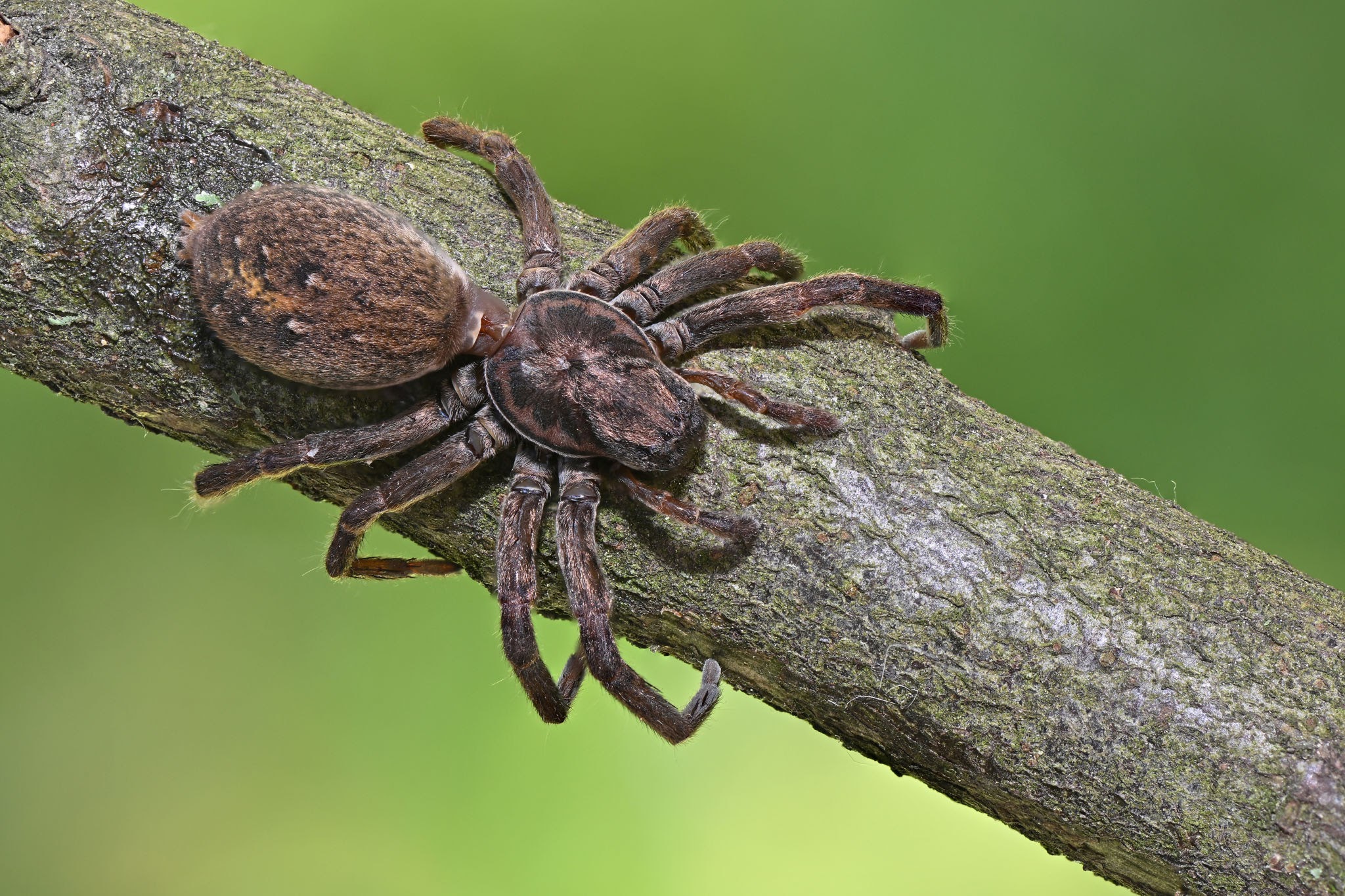
Overview
Vagrant Spiders, most commonly referring to the Hobo Spider (Eratigena agrestis), are fast-moving funnel-weaving spiders that have gained attention due to their association with homes and long-standing concerns about their bites. Native to Europe and parts of western Asia, these spiders became established in portions of the Pacific Northwest and other regions of North America during the twentieth century.
For many years, Vagrant Spiders were considered medically significant because their bites were believed to cause severe skin lesions. Modern research, however, has largely challenged these claims, and most experts now regard their bites as relatively minor. Despite this reassessment, their rapid movement, brown coloration, and tendency to wander indoors continue to make them one of the most commonly feared household spiders.
Although they are considered nuisance pests, Vagrant Spiders also serve an ecological role by feeding on insects and other arthropods. Understanding their biology and behavior can help homeowners distinguish them from more dangerous spiders and manage unwanted indoor encounters.
Taxonomy and Classification
Vagrant Spiders belong to the funnel-web spider family.
- Kingdom: Animalia
- Phylum: Arthropoda
- Class: Arachnida
- Order: Araneae
- Family: Agelenidae
- Genus: Eratigena
- Species: Eratigena agrestis
They are closely related to grass spiders and giant house spiders, all of which build funnel-shaped retreat webs and possess similar body structures.
Physical Description
Adult Appearance
Adult Vagrant Spiders typically measure between 12 and 18 millimeters in body length, although their long legs make them appear much larger.
- Color: Brown to grayish-brown
- Body Length: 12–18 mm
- Leg Span: Up to 5 cm
- Shape: Slender body with long legs
- Texture: Covered with fine hairs
The abdomen often displays subtle chevron-shaped markings, although these patterns can be difficult to see without magnification.
Key Identification Features
- Brown coloration without bold stripes
- Long, slender legs
- Rapid running speed
- Sheet-like funnel web
- Poor climbing ability on smooth surfaces
Unlike jumping spiders or orb-weavers, Vagrant Spiders rely on speed rather than visual hunting or sticky capture webs.
Distribution and Habitat
Vagrant Spiders originated in Europe but became established in portions of North America through accidental introduction.
They are most commonly encountered in:
- Pacific Northwest states
- Basements
- Garages
- Crawl spaces
- Wood piles
- Rock gardens
- Landscape debris
- Ground-level rooms
Outdoors, they prefer sheltered locations close to the ground where they can construct funnel-shaped retreats.
Life Cycle
Egg Stage
Female spiders produce silken egg sacs containing dozens to hundreds of eggs.
Egg sacs are usually hidden within protected funnel-web retreats.
Spiderling Stage
Young spiders hatch and remain near the egg sac before dispersing to establish their own territories.
Spiderlings resemble miniature adults and grow through a series of molts.
Adult Stage
Most individuals require one to two years to reach maturity.
Adult males become particularly active during late summer and autumn when searching for mates.
Behavior and Ecology
Web Construction
Vagrant Spiders construct distinctive sheet-and-funnel webs.
The web consists of:
- A flat silk sheet
- A funnel-shaped retreat
- Ground-level placement
- Non-sticky silk
When prey walks across the sheet, the spider rushes from the funnel and captures it.
Rapid Movement
These spiders are among the fastest-running household spiders.
Their speed often surprises homeowners and contributes to their intimidating reputation.
Poor Climbers
One distinctive trait is their inability to climb smooth surfaces effectively.
This explains why they are commonly found trapped in:
- Bathtubs
- Sinks
- Laundry tubs
- Smooth plastic containers
Diet
Vagrant Spiders are beneficial predators that consume many nuisance insects.
Common prey includes:
- Flies
- Ants
- Beetles
- Moths
- Silverfish
- Small spiders
- Cockroach nymphs
By feeding on pest insects, they contribute to natural biological control around homes and landscapes.
Human Interactions
Bite Concerns
Historically, Vagrant Spider bites were believed to cause severe tissue damage. However, extensive scientific research has found little evidence supporting this claim.
Current evidence suggests that bites typically result in:
- Mild pain
- Temporary redness
- Minor swelling
- Localized irritation
Serious medical reactions are considered uncommon.
Defensive Behavior
Vagrant Spiders are not aggressive toward humans.
Bites generally occur only when:
- The spider is trapped in clothing
- It becomes pressed against skin
- It is accidentally handled
Most encounters end with the spider attempting to flee rather than bite.
Signs of Infestation
Homeowners may notice several indicators of Vagrant Spider activity:
- Funnel-shaped webs near foundations
- Spiders found in bathtubs
- Wandering males indoors during autumn
- Webs in crawl spaces
- Increased spider sightings at floor level
Unlike many web-building spiders, Vagrant Spiders rarely occupy ceilings or upper walls.
Natural Predators
Numerous predators help regulate Vagrant Spider populations.
- Birds
- Lizards
- Centipedes
- Predatory beetles
- Larger spiders
- Small mammals
- Parasitic wasps
Healthy outdoor ecosystems often keep spider populations naturally balanced.
Management and Control (IPM)
Exclusion
The most effective management strategy is preventing spiders from entering buildings.
- Seal foundation cracks
- Install door sweeps
- Repair window screens
- Close utility entry gaps
- Reduce exterior openings
Habitat Modification
Reducing outdoor shelter decreases nearby spider populations.
- Remove wood piles
- Trim vegetation from foundations
- Reduce ground clutter
- Store materials away from buildings
Indoor Monitoring
Sticky traps can effectively monitor and capture wandering spiders.
Place traps:
- Along walls
- Near doorways
- In basements
- Behind furniture
- Near crawl space entrances
Vacuum Removal
Vacuuming provides a simple and effective method for removing spiders, webs, and egg sacs without chemical treatments.
Chemical Control
Chemical treatments are rarely necessary for isolated spider encounters.
When used, treatments should focus on entry points and outdoor harborages rather than widespread indoor spraying.
Ecological Importance
Despite their reputation, Vagrant Spiders provide valuable pest control services.
By feeding on insects and other arthropods, they help reduce populations of nuisance pests around homes, gardens, and landscapes.
Most spider experts consider them beneficial predators rather than harmful pests.
Conclusion
Vagrant Spiders, commonly known as Hobo Spiders, are fast-moving funnel-web spiders frequently encountered in homes and landscapes throughout parts of North America. Although they have historically been associated with dangerous bites, modern research indicates that their medical significance is generally minor. Their primary impact is as nuisance pests that occasionally wander indoors, particularly during mating season. Proper exclusion, habitat modification, and monitoring remain the most effective methods for managing these spiders while recognizing their beneficial role as natural predators of household and garden pests.