Overview
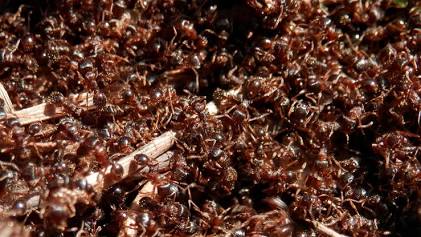
Urban Ants is a broad term used to describe the many ant species that have successfully adapted to human-developed environments. These ants thrive in cities, suburbs, commercial districts, industrial facilities, parks, lawns, and residential neighborhoods. While ants are important components of natural ecosystems, certain species become significant pests when they invade structures, contaminate food, damage property, or establish large colonies near homes and businesses.
Some of the most common urban ant pests include the Argentine Ant (Linepithema humile), Pharaoh Ant (Monomorium pharaonis), Pavement Ant (Tetramorium immigrans), Odorous House Ant, Carpenter Ant, and Little Black Ant. These species are particularly successful because they can exploit human food sources, find shelter within structures, and establish colonies in a wide range of environments.
Urban ants are among the most frequently reported pest problems worldwide. Their ability to form extensive colonies, rapidly recruit workers to food sources, and exploit tiny structural openings makes them difficult to control once established. While most species are primarily nuisance pests, some can cause structural damage, contaminate food, interfere with electrical equipment, or create sanitation concerns in sensitive environments such as hospitals and food-processing facilities.
Because urban ants are social insects that depend on large colonies and cooperative behavior, successful management focuses on eliminating the colony rather than simply killing individual workers.
Taxonomy and Classification
- Kingdom: Animalia
- Phylum: Arthropoda
- Class: Insecta
- Order: Hymenoptera
- Family: Formicidae
Ants belong to the same insect order as bees and wasps. More than 13,000 ant species have been described worldwide, with many capable of adapting to urban environments.
Urban pest ants typically live in highly organized colonies consisting of queens, workers, larvae, pupae, and reproductive males. Colony sizes vary from a few hundred individuals to millions of workers depending on the species.
Physical Description
Most urban ant workers are relatively small, ranging from approximately 1.5 to 5 millimeters in length, although some species may be larger.
- Body Structure: Distinct head, thorax, and abdomen connected by a narrow waist called the petiole.
- Antennae: Elbowed antennae used for communication and navigation.
- Coloration: Species may be black, brown, red, yellow, or combinations of these colors.
- Wings: Reproductive males and queens develop wings during swarming periods.
One of the defining characteristics of ants is their social behavior. Workers cooperate to gather food, care for young, defend the colony, and maintain nests.
Distribution and Habitat
Urban ants are found throughout the world and occur in nearly every human-developed environment. Their success is largely due to their ability to exploit food, water, shelter, and stable temperatures provided by buildings and landscapes.
Common nesting sites include:
- Wall voids
- Attics and crawl spaces
- Under concrete slabs
- Foundation cracks
- Sidewalk joints
- Landscaping mulch
- Potted plants
- Electrical boxes
- Kitchen and bathroom areas
- Under rocks and debris
Many species maintain both indoor and outdoor colonies, allowing them to move between environments depending on weather conditions and food availability.
Life Cycle
Urban ants undergo complete metamorphosis consisting of four life stages:
- Egg
- Larva
- Pupa
- Adult
Queens are responsible for laying eggs, while workers perform all colony maintenance activities. Depending on the species, colonies may contain a single queen or multiple queens.
Species such as Argentine Ants and Pharaoh Ants often possess multiple queens, allowing colonies to expand rapidly and form interconnected supercolonies. This characteristic makes control particularly challenging.
Behavior and Feeding
The success of urban ants is largely driven by their highly organized foraging behavior. Scout workers search for food and then recruit additional workers through chemical trails known as pheromones.
Common food sources include:
- Sugary foods
- Honeydew produced by aphids
- Pet food
- Grease and oils
- Protein-rich foods
- Food crumbs and spills
- Dead insects
- Garbage and organic waste
Once a food source is discovered, hundreds or thousands of workers may quickly form visible trails leading back to the colony.
Some invasive species, particularly Argentine Ants, create enormous interconnected supercolonies that span multiple properties and landscapes. These supercolonies can contain millions of workers and numerous queens.
Damage and Conflict
Urban ants create several different types of problems depending on the species involved.
Nuisance Infestations
Most complaints involve large numbers of ants entering kitchens, pantries, bathrooms, offices, restaurants, and other structures in search of food and water.
Food Contamination
Ants frequently forage through food storage areas and may contaminate food products with bacteria and debris collected during their travels.
Structural Damage
Some species contribute to property damage:
- Pavement Ants: Excavate soil beneath sidewalks, patios, and foundations.
- Carpenter Ants: Hollow out damp or decaying wood to create nesting galleries.
- Large Colonies: May undermine pavers and decorative stonework.
Electrical Damage
Certain ant species are attracted to electrical equipment and may infest junction boxes, circuit breakers, air-conditioning units, and communication systems. Their presence can cause short circuits and equipment failures.
Public Health Concerns
Pharaoh Ants are particularly problematic in hospitals and healthcare facilities because they may move between contaminated materials and sterile environments.
Management and Prevention
Effective urban ant control requires an Integrated Pest Management (IPM) approach focused on eliminating colonies rather than individual ants.
Sanitation
- Clean food spills promptly.
- Store food in sealed containers.
- Reduce moisture problems.
- Keep garbage containers tightly closed.
- Remove pet food when not in use.
Exclusion
- Seal foundation cracks.
- Repair gaps around windows and doors.
- Seal utility entry points.
- Repair damaged screens.
- Trim vegetation touching structures.
Baiting
Baiting is often the most effective management method for urban ants. Slow-acting insecticidal baits allow workers to carry toxicants back to the colony where they can be shared with queens and larvae.
Depending on the species, successful baiting may require:
- Liquid baits
- Gel baits
- Protein-based baits
- Granular baits
Professional Treatment
Large infestations, supercolonies, and recurring structural invasions may require professional pest management services. Non-repellent insecticides are often preferred because they allow workers to continue moving through treated areas without avoiding them.
Conservation and Research
Research on urban ants focuses heavily on invasive species management, colony behavior, pheromone communication, and improved bait technologies. Scientists continue to study how species such as Argentine Ants form massive supercolonies and outcompete native ants.
Understanding colony dynamics has led to the development of more effective bait systems that target queens and brood while reducing environmental impacts.
Researchers are also investigating biological control methods and environmentally responsible approaches for managing invasive ant populations in urban environments.
Conclusion
Urban ants are among the most successful and widespread insect pests associated with human environments. Their ability to exploit food resources, establish colonies in structures, and rapidly recruit workers makes them difficult to manage once established.
While many species are primarily nuisance pests, others can contaminate food, damage structures, interfere with electrical systems, and create public health concerns. Effective management requires a comprehensive IPM approach that combines sanitation, exclusion, colony-targeted baiting, and ongoing monitoring. By focusing on the colony rather than individual workers, long-term control becomes far more achievable.